App: Primary Health Care Clinical Guide

national-coat-of-arms-high-res-230x300Produced by South Africa’s The Open Medicine Project, the Department of Health app gives health care workers’ easy access to the country’s Primary Health Care Standard Treatment Guidelines and Essential Medicines List.

Aimed at a broad range of health care workers, the app includes features, like:

  • A cardiovascular risk assessment tool, which efficiently calculates a patient’s percentage risk of having a cardiovascular event such as a stroke or a heart attack in the next 10 years;
  • A paediatric drug dosage calculator, which accurately calculates weight or age-based dosage for children; and
  • A medicine stock out tool, which allows healthcare professionals to report medication shortage and stock-outs directly to the Department of Health.

To download the app, search “PHC Clinical Guide”in the App Store or on Google Play

New agreement could help end ARV stock outs

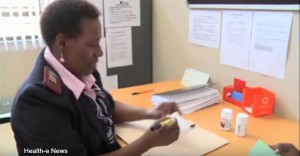
nurse-with-arvs-300x156After months of erratic supply of its antiretroviral (ARV) Aluvia in South Africa, international pharmaceutical company AbbVie will now allow generic manufacturers to produce the drug to help safeguard supplies, according to an announcement made today…..more

Rwandans vote on constitution changes to let Kagame extend rule

KIGALI — Rwandans voted overwhelmingly on Friday in support of changing the constitution to allow President Paul Kagame to extend his term in office, possibly until 2034, partial results released by the electoral commission showed…..more

Doctors stage sleep-in at hospital

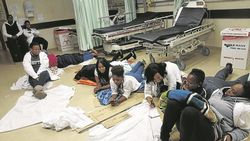
doctorssitinWitbank Hospital student doctors dragged their mattresses and blankets to the hospital’s casualty ward and slept there in protest over lack of security at their residences…..more

Education resources on the WHO’s International Classification of Functioning, Disability and Health

The International Classification of Functioning, Disability and Health (“ICF”) has been in circulation for more than a decade. Since its publication, members of the Functioning and Disability Reference Group (FDRG) have used this classification as the basis for teaching users (and potential users) the clinical, social, academic, research, health service administration and statistical uses of the classification in practical application. For this, they used a selection of materials and methods. For the classification to be most effective, it is important that it is applied consistently and reliably. This requires extensive training using quality training materials. However, the danger exists that effort could be duplicated as FDRG members and collaborators in different areas seek to achieve the same goal: educating users in implementing the classification. A central repository for the ICF learning materials will help everyone in teaching the practical application of the ICF….more

Immunization in Practice – A practical guide for health staff 2015 update

Immunization in Practice – A practical guide for health staff  2015 update

This revised edition of Immunization in Practice is the result of team work between WHO and other GAVI alliance partners, particularly UNICEF, CDC, Program for Appropriate Technologies in Health (PATH) and John Snow Incorporated (JSI), and many other individuals who are committed to improving immunization services throughout the world.

http://www.who.int/immunization/documents/training/en/

http://www.who.int/entity/immunization/documents/IIPcover.JPG

Introduction pdf, 148kb

Module 1 : Target diseases and vaccines pdf, 1.81Mb

Module 2 : The vaccine cold chain pdf, 2.13Mb

Module 3 : Ensuring safe injections pdf, 718kb

Module 4 : Microplanning for reaching every community pdf, 1.23Mb

Module 5 : Managing an immunization session pdf, 995kb

Module 6 : Monitoring and surveillance pdf, 605kb

Module 7 : Partnering with communities pdf, 323kb

Word versions of Modules 1 to 7 (coming soon)

Let’s build a future where people are no longer dying for lack of healthcare knowledge – Join HIFA: www.hifa2015.org  

Why it’s time all African countries took a stand on skin lightening creams

Below are extracts from an article in The Conversation (with thanks to Global Health Now). It is worth noting that governments have a legal obligation under international human rights law to ensure that citizens are fully informed of the health risks of skin lighteners, as demonstrated by HIFA and the New York Law School (http://www.hifa2015.org/hifa2015-and-human-rights/).

Why it’s time all African countries took a stand on skin lightening creams

https://theconversation.com/why-its-time-all-african-countries-took-a-stand-on-skin-lightening-creams-49780

‘Skin lighteners – used by up to 70% of women in parts of Africa – are damaging. In fact, the WHO has banned the active ingredients of skin lighteners – a hydroquinone and mercury?from being used in an any unregulated skin products.

‘“Unregulated products have significantly higher quantities of hydroquinone and mercury than those recommended by dermatologists,” he writes. “Using them could lead to liver and kidney failure or hyperpigmentation. There is also a risk of skin cancer . . . .”

‘Cote d’Ivoire has led the charge in tackling skin lighteners and has banned the practise nationally. It is time for the rest of the continent to follow…’

‘The motivation for using skin lighteners is linked to colonial history. Lightening one’s skin is perceived to come with increased privileges, higher social standing, better employment and increased marital prospects. This, coupled with influential marketing strategies from transnational cosmetic houses using iconic celebrities, increases the allure – primarily for women, but increasingly for men…’

‘The attraction to the practise is encouraged by overt advertising and the advent and influence of social media and mobile phones with roaming apps…’

‘… governments should encourage the view that being paler skinned isn’t a panacea and that black is beautiful too.’

Best wishes, Neil

Let’s build a future where people are no longer dying for lack of healthcare knowledge – Join HIFA: www.hifa2015.org

Open access healthcare information

Systematic review: Health system and community level interventions for improving antenatal care coverage and health outcomes

Health system and community level interventions for improving antenatal care coverage and health outcomes

What is the issue?

The World Health Organization recommends at least four antenatal visits for all pregnant women. Almost half of pregnant women worldwide miss out on this level of care, and this is more problematic in low- and middle-income countries.

Why is this important?

Healthcare during pregnancy is a priority because poor antenatal attendance is associated with delivery of low birthweight babies and more newborn deaths. Antenatal care also provides opportunity for nutritional and health checks, such as whether a woman has a disease like malaria or has been exposed to infectious diseases such as HIV (human immunodeficiency virus) or syphilis.

What evidence did we find?

We reviewed randomised controlled trials that tested ways to improve the uptake of antenatal care during pregnancy. Some trials tested community-based interventions (media campaigns, education on self and infant care or financial incentives for pregnant women to attend antenatal care), while other trials looked at health systems interventions (home visits for pregnant women or provision of equipment for clinics). We included 34 trials with approximately 400,000 women. Most trials took place in low- and middle-income countries, and most trials were conducted in a way that made us feel confident about trusting the published reports. We assessed 30 of the 34 trials as of low or unclear overall risk of bias. The quality rating (high, moderate or low) shows our level of confidence that the result is robust and meaningful.

Trials comparing one intervention with no intervention

Single interventions only marginally improved the numbers of women attending four antenatal visits (high quality). Interventions did not improve rates of maternal death (low quality), baby deaths (moderate quality) or low birthweight (high quality). Even so, interventions led to modest improvements in the number of women who had at least one antenatal visit (moderate quality) and who delivered in a health facility (high quality). The number of women who received intermittent preventive treatment for malaria was not reported.

Trials comparing two or more interventions with no intervention

Combined interventions did not improve the number of women with four or more visits (low quality), or reduce maternal deaths (moderate quality). Nor did it increase the number of women who delivered in a health facility (moderate quality). However, more women who received combined interventions had one or more antenatal visits (moderate quality); there were also fewer baby deaths (moderate quality) and fewer low birthweight babies (moderate quality). The number of women who received intermittent preventive treatment for malaria was not reported.

We found no evidence that trials of community interventions worked differently from trials of health systems interventions.

Trials comparing one intervention with another intervention – there were no trials for this comparison.

Trials comparing one intervention with a combination of interventions – There was no difference in the number of women attending four or more antenatal visits (and at least one visit), maternal deaths, baby deaths, the number of deliveries in a health facility or the number of women who received intermittent preventive treatment for malaria.

What does this mean?

Single interventions may improve antenatal care coverage (women attending at least one visit and women attending four or more visits) and encourage women to give birth to their babies in health facilities. Combined interventions may also improve antenatal care coverage (at least one visit), reduce baby deaths and reduce the number of babies born with low birthweight.

We recommend that further studies of pregnant women and women in their reproductive years use combinations of interventions to maximise impact and look at outcomes that are important to the women themselves, such as maternal and baby deaths or ill health and the use of healthcare services.

Health system and community level interventions for improving antenatal care coverage and health outcomes

http://onlinelibrary.wiley.com/doi/10.1002/14651858.CD010994.pub2/abstract

Let’s build a future where people are no longer dying for lack of healthcare knowledge – Join HIFA: www.hifa2015.org  

Systematic review: Multiple-micronutrient supplementation for women during pregnancy

In low- and middle-income countries, many women have poor diets and are deficient in nutrients and micronutrients which are required for good health. Micronutrients are vitamins and minerals that are needed by the body in very small quantities but are important for normal functioning, growth and development. During pregnancy, these women often become more deficient, with the need to provide nutrition for the baby too, and this can impact on their health and that of their babies. Combining multiple micronutrients has been suggested as a cost-effective way to achieve multiple benefits for women during pregnancy. Micronutrient deficiencies are known to interact and a greater effect may be achieved by multiple supplementation rather than single-nutrient supplementation, although interactions may also lead to poor absorption of some of the nutrients. High doses of some nutrients may also cause harm to the mother or her baby. This systematic review included 19 trials involving 138,538 women, but only 17 trials involving 137,791 women contributed data. The included trials compared pregnant women who supplemented their diets with multiple micronutrients with pregnant women who received a placebo or supplementation with iron, with or without folic acid. Overall, pregnant women who received multiple-micronutrient supplementation had fewer low birthweight babies, small-for-gestational-age babies, and stillbirths than pregnant women who received only iron, with or without folic acid. The evidence for the main outcomes was found to be of high quality. These findings, consistently observed in several other systematic reviews of evidence, provide a strong basis to guide the replacement of iron and folic acid with multiple-micronutrient supplements for pregnant women in low- and middle-income countries countries where multiple-micronutrient deficiencies are prevalent among women.

Multiple-micronutrient supplementation for women during pregnancy

Batool A Haider, Zulfiqar A Bhutta

http://onlinelibrary.wiley.com/doi/10.1002/14651858.CD004905.pub4/abstract

Best wishes, Neil

Let’s build a future where people are no longer dying for lack of healthcare knowledge – Join HIFA: www.hifa2015.org  

Highlights from the Second Annual Global mHealth Forum

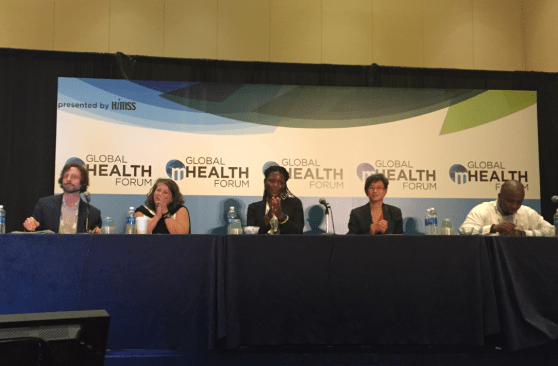
ea58f39d-aea6-4860-ab20-d3f28baa28aeOn November 10-11, mHealth professionals and representatives from NGOs and ministries of health around the world met in Washington, D.C. for the second annual Global mHealth Forum, held in partnership with the Healthcare Information and Management Systems Society (HIMSS) Connected Health Conference and the mHealth Summit. Participants explored emerging trends, discussed strategies, networked with mHealth professionals, and gained tips for designing, implementing, and evaluating successful mHealth initiatives….more

Toward Universal Health Coverage in Africa

dr-moetiHealth is widely considered to be a fundamental human right, yet the sad truth is that far too many people around the world still do not have access to basic health care. Millions of Africans in particular are unable to access or afford the services they need to survive and thrive without incurring financial hardship.  The answer to this problem is clear: universal health coverage (UHC). For too long, the idea of achieving universal health coverage in Africa was perceived as a distant dream. Fortunately, the tide is turning….more
Motsoaledi: We haven’t identified a source of funding for the NHI

Taking part in the National Health Insurance scheme (NHI) is going to be mandatory, not voluntary like belonging to a medical aid, said Health Minister Aaron Motsoaledi at the release of the long-awaited National Health Insurance (NHI) white paper on Friday in Pretoria.

“Population coverage under NHI will ensure that all South Africans have access to comprehensive quality healthcare,” said Motsoaledi. The NHI will be phased in over a period of 14 years which started with 11 pilot districts around the country in 2011….. 1 2 3

CCP Walking Club celebrates


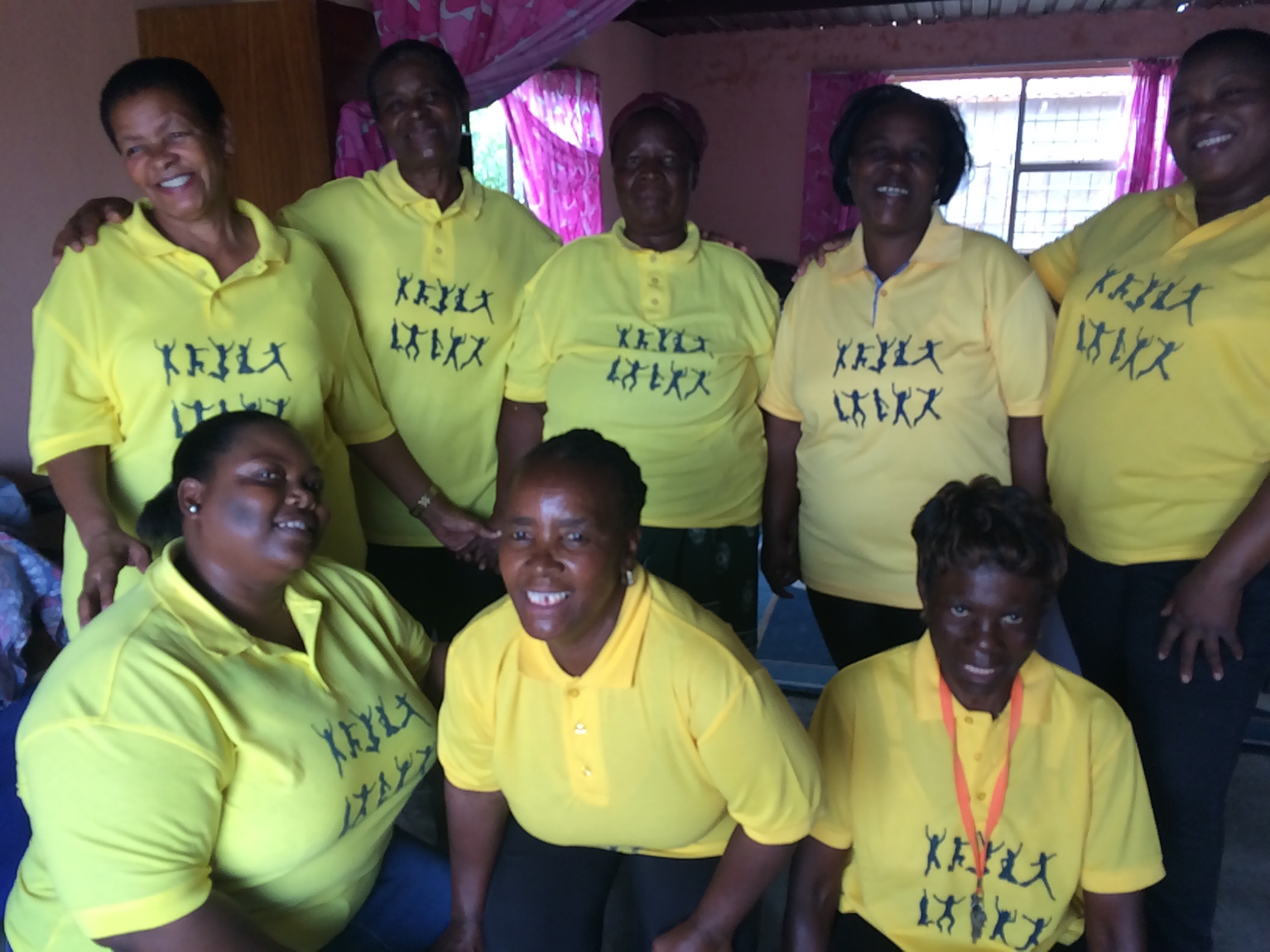
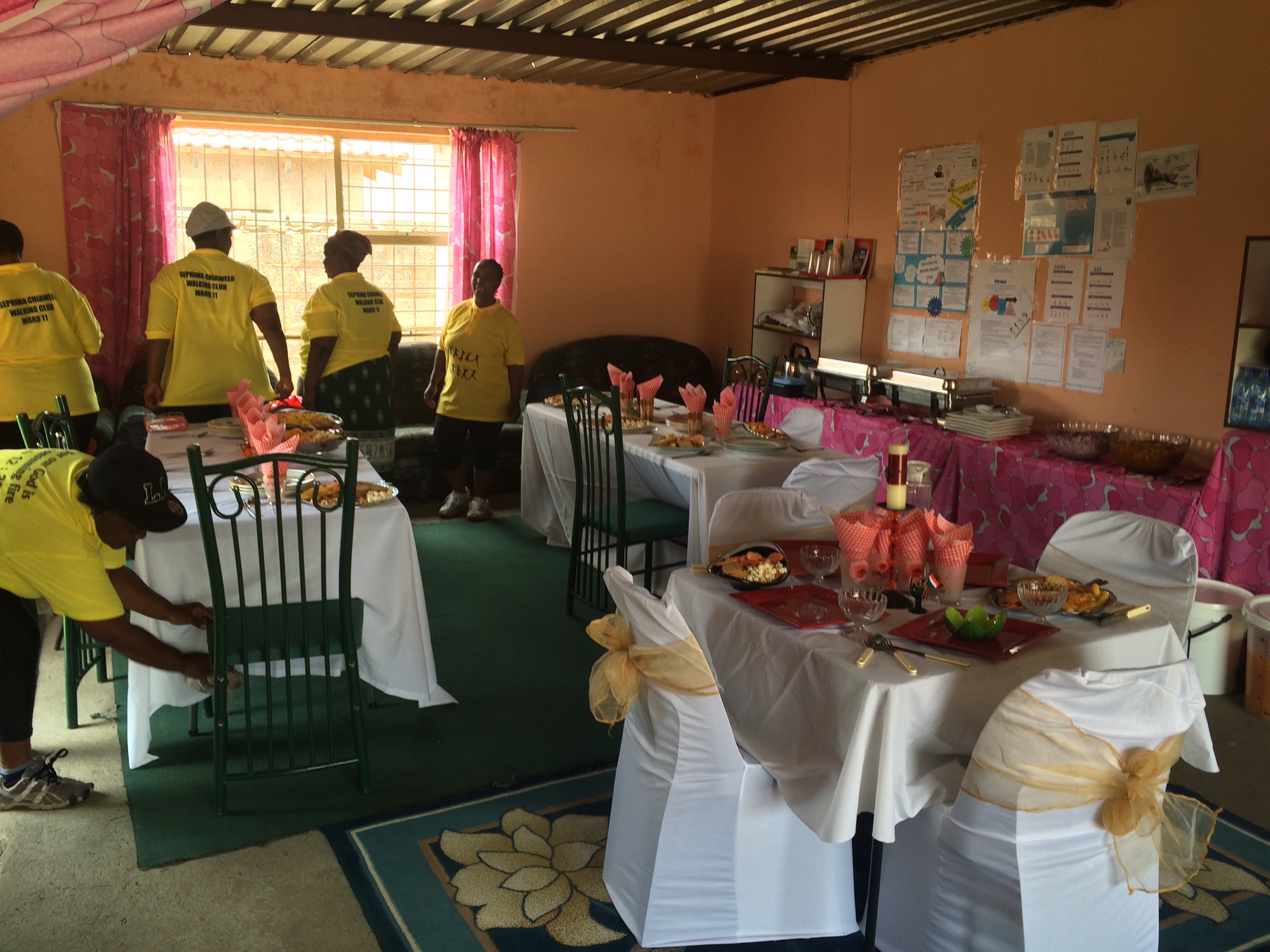
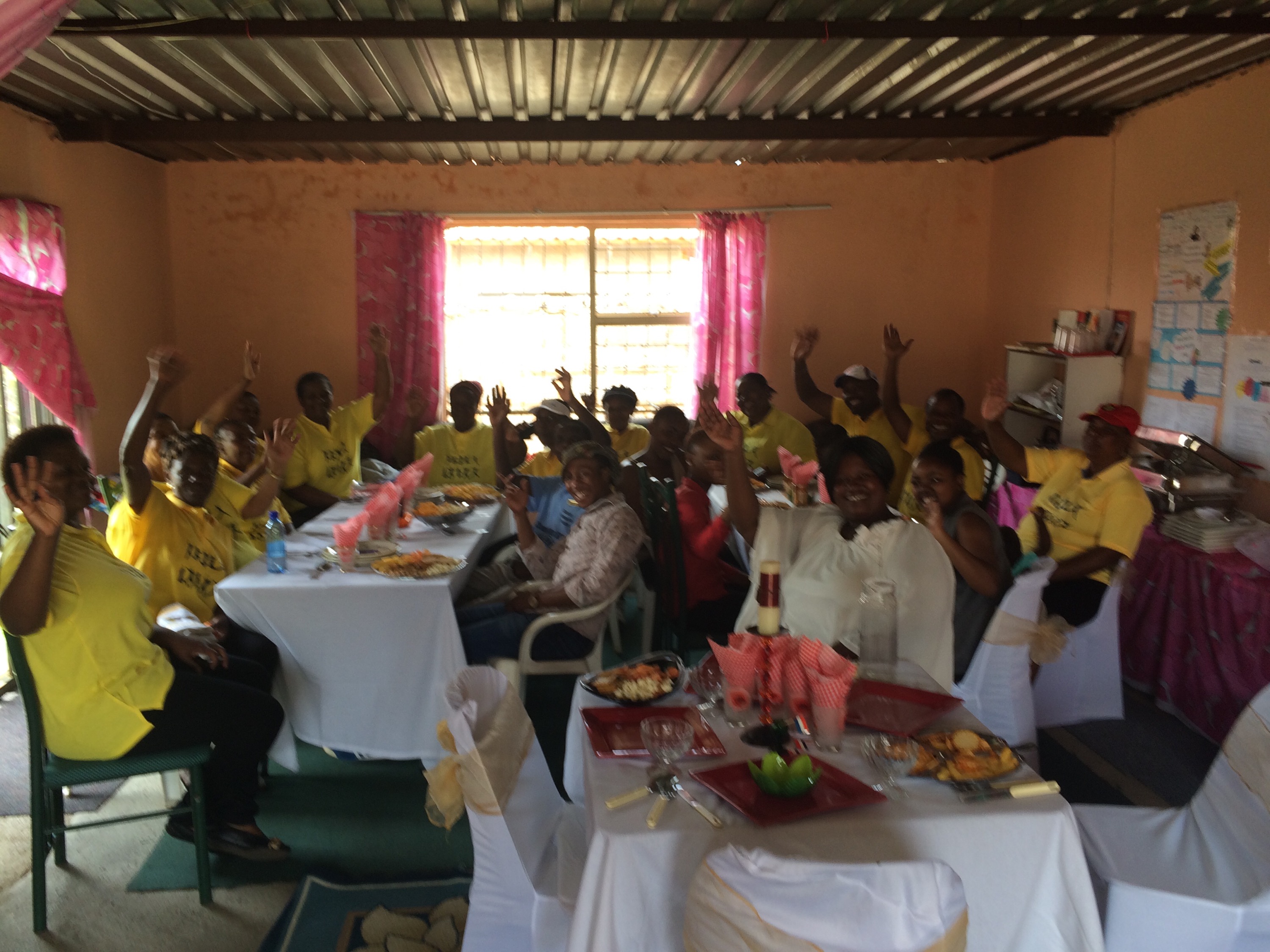
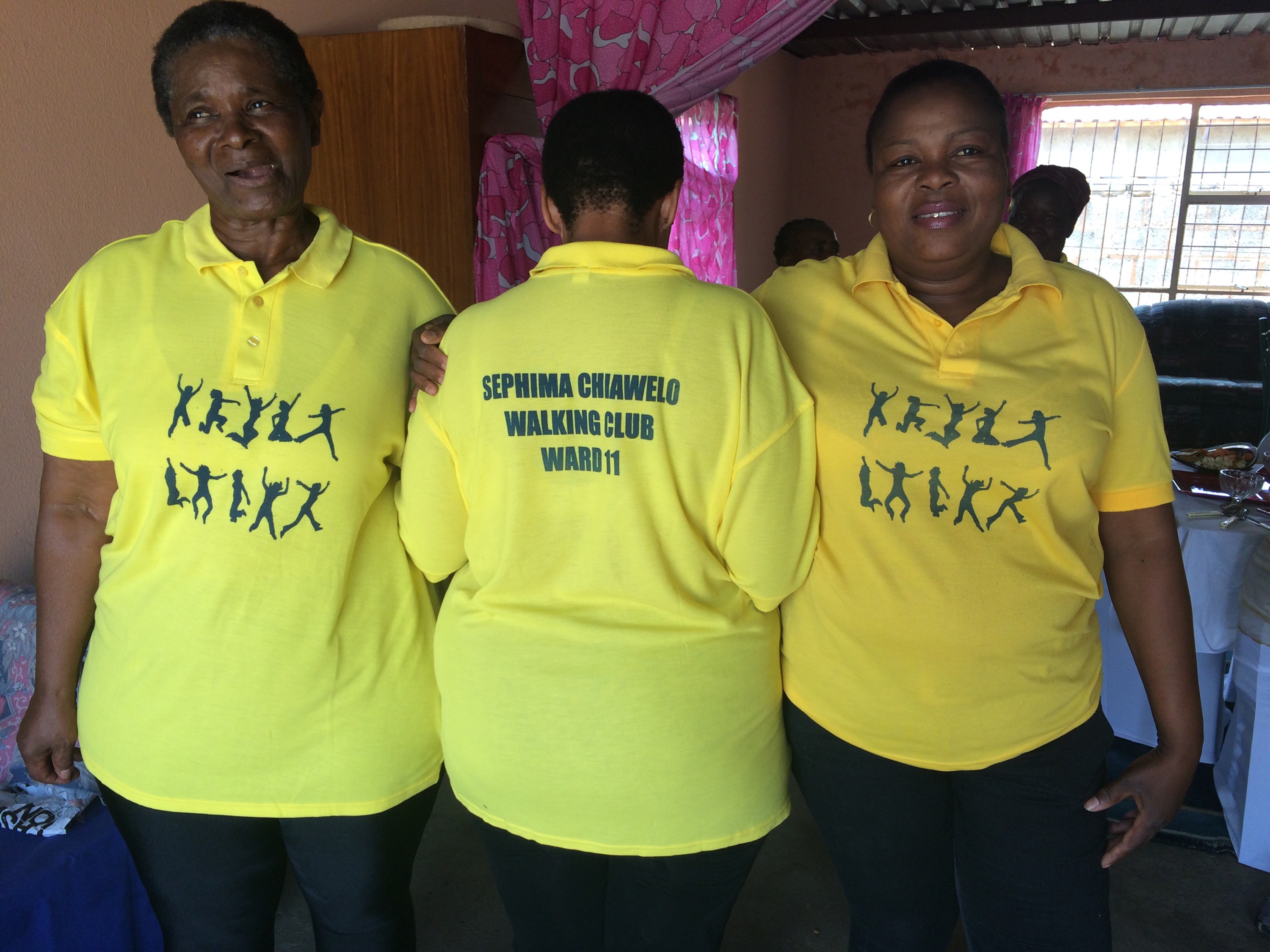
 One of the strongest walking clubs established in Ward 11, Chiawelo Community Practice, Soweto had a celebration with its 20-30 members as a year end function. The clubs meet daily to do basic stretching, strengthening exercises, walking and then talking. It has become a strong social institution as well as having improved health outcomes – greater stamina and flexibility, less aches and pains! An amazing achievement in less than a year.

Jhb DHS Forum – Soweto

   
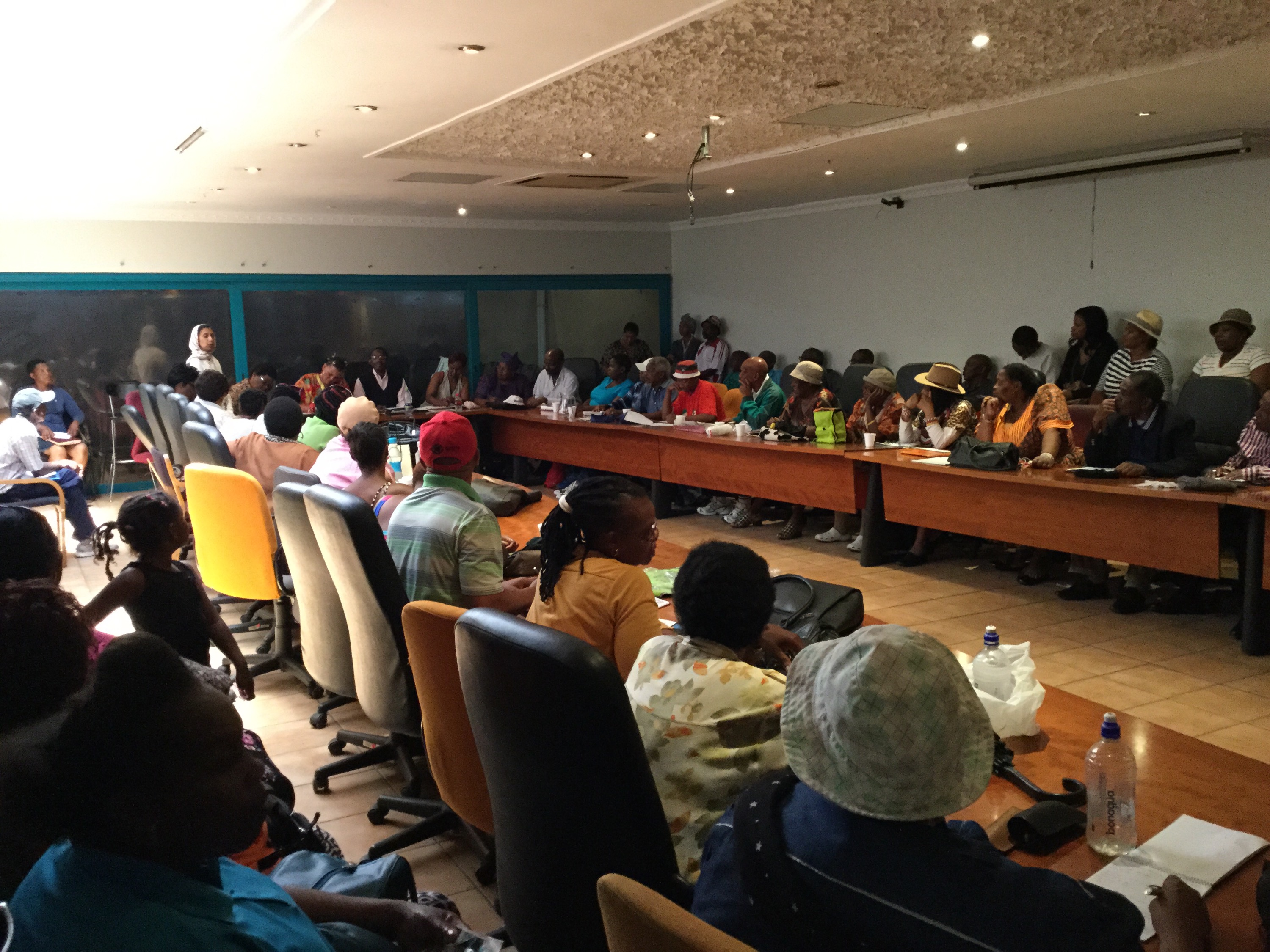
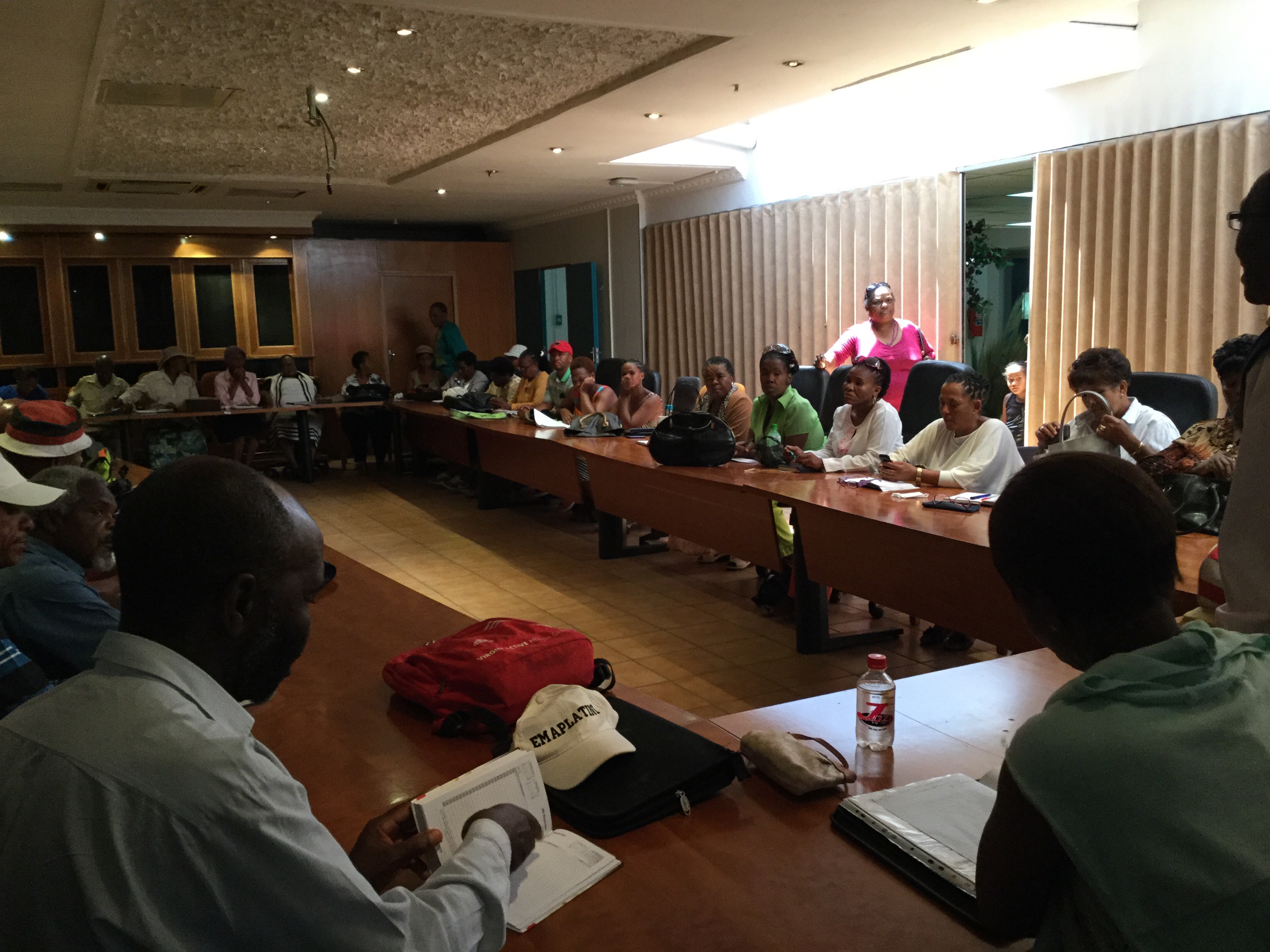
 Clinic committees from across Johannesburg came together in Jabulani Civic Centre on 27th November 2015. The meeting was short just focusing on nominations and not the usual reports of different committees. Dr Moosa presented the Chiawelo Community Practice concept (as part of NHI) and progress. There was considerable interest but no time was allowed for questions. The meeting was invited to join the CCP Stakeholder Meeting planned for 8th December 2015

PhD: Emergence of Family Medicine in Africa

Shabir Moosa PhD Emergence FMiA COVERDr. Shabir Moosa, senior clinical lecturer in the Department of Family Medicine in the School of Clinical Medicine was awarded a PhD by Ghent University in Belgium on 28th October 2015. The title of his PhD-thesis was “The emergence of family medicine in Africa”. It consists of five published papers and one submitted for publication.

The overall thesis is cast in the light of reforms recommended by the 2008 World Health Report on Primary Health Care (PHC) on: universal coverage; service delivery; public health in all policies; and government leadership. It explores the challenges with African health systems and human resources, the emerging landscape of national health insurance in South Africa and the prospects for family medicine within that context, given the global movement of family medicine towards teamwork.

The studies were undertaken to understand the emergence of family medicine in Africa: how stakeholders (leaders in sub-Saharan and South Africa and providers at the coalface in Johannesburg, South Africa) view family medicine and the human resource issues; why emigrant healthcare professionals did not take up primary health care posts in Africa; and the views of private general practitioners in groups on engaging National Health Insurance in South Africa.

The results are captured in the various articles but the synthesis presents four main messages:

  1. The growing role of family physicians: growing beyond district hospital and including a leadership role in the district health service.
  2. The impetus to re-organise the PHC system; the involvement of family physicians is seen as opportunity and prerogative to reorganize the health system away from command-and-control organisations to elements of professional organization and complex adaptive systems as in practice form
  3. Human resource issues: doctor leadership with task shifting can address the challenge of skills and staff mix but more robust human resource policy is required for PHC, including organizational units under universal health coverage
  4. Policy implementation challenges: these include ambivalence towards family physicians, requiring astute leadership by family physicians.

The challenge is with family physicians: to explore organizational design with robust team configurations and roles, including the private sector and to advocate for quality in the future of health in Africa.

The five examiners (including an external examiner from Aarhus University in Denmark) provided written assessment and comments, and later engaged Dr. Moosa in an oral internal defense. Once these were accepted Dr. Moosa was invited to a public defense in Ghent University where he presented his thesis, had to field more questions, including the public and then had the ceremony of a capping by the Chair of the examining committee. The PhD-thesis was published as a small book, as is custom in Ghent University and several copies were distributed to colleagues at Wits. A soft copy is available at Dr. Moosa’s website www.drmoosa.co.za

Carbon Trade Watch: Pamabazuka News Special Edition

copWe need to think beyond Paris and to stand in active solidarity with those who are at the frontlines of fighting the climate and environmental criminals. We need to hear what they have been saying for a long time and in different ways. Building radical solidarity with social movements and communities in resistance may be a way forward….more

Primary Health Care 101

Primary Care 101 is a symptom-based integrated clinical management guideline using an algorithmic approach for the management of common symptoms and chronic conditions in adults. The guidelines are intended for use by all health care practitioners working at primary care level in South Africa…..more

Do antenatal care visits always contribute to facility-based delivery in Tanzania? A study of repeated cross-sectional data

Abstract

There is a known high disparity in access to perinatal care services between urban and rural areas in Tanzania. This study analysed repeated cross-sectional (RCS) data from Tanzania to explore the relationship between antenatal care (ANC) visits, facility-based delivery and the reasons for home births in women who had made ANC visits. We used data from RCS Demographic and Health Surveys spanning 20 years and a cluster sample of 30 830 women from 52 districts of Tanzania. The relationship between the number of ANC visits (up to four) and facility delivery in the latest pregnancy was explored. Regional changes in facility delivery and related variables over time in urban and rural areas were analysed using linear mixed models. To explore the disconnect between ANC visits and facility deliveries, reasons for home delivery were analysed. In the analytic model with other regional-level covariates, a higher proportion of ANC (>2–4 visits) and exposure to media related to an increased facility delivery rate in urban areas. For rural women, there was no significant relationship between the number of visits and facility delivery rate. According to the fifth wave result (2009–10), the most frequent reason for home delivery was ‘physical distance to facility’, and a significantly higher proportion of rural women reported that they were ‘not allowed to deliver in facility’. The disconnect between ANC visits and facility delivery in rural areas may be attributable to physical, cultural or familial barriers, and quality of care in health facilities. This suggests that improving access to ANC may not be enough to motivate facility-based delivery, especially in rural areas.

More