 The Joint United Nations Programme on HIV and Aids (UNAids) announced on Tuesday that the Aids epidemic could be something of the past by 2030. “Ending the Aids epidemic as a global health threat is no longer a dream. It can be a reality within 15 years if we accelerate action today,” the agency said in a press release. In its 2014 World Aids Day report, which reveals the latest global HIV statistics, UNAids authors reveal “this confidence is based on a combination of major scientific breakthroughs and accumulated lessons learned over more than a decade of scaling up the Aids response worldwide”…..more
Category Archives: Uncategorized
The rural doctor who came home to live, love and heal
 Early on a Saturday afternoon in Ladismith in the Little Karoo, just after lunchtime, Llewellyn Volmink’s little body stiffened when he heard the adults screaming in terror. The truck full of farmworkers had just arrived. They climbed from the vehicle in dribs and drabs, grocery bags in their hands. It was time to begin the weekend with bellies full of food and wine. It was time to forget the week’s hard labour, and all of life’s many problems. The midsummer heat hung heavy in the air. The farm’s ostriches lay languidly under wooden shading…..more
Great Open Day
The Chiawelo Community Practice had a splendid day giving stakeholders from Ward 11 and across Soweto/Johannesburg a ‘taste’ of what they do daily in CCP. A word commonly used by participants was IMPRESSIVE! Well done to the team.
Lucy Gilson explains the importance of health system strengthening
Working together
Health systems are made up of a set of interconnected activities that develop over time and reflect local circumstances. They are driven by people of different experiences whose objectives are ultimately focused on improving the health of all people and ensuring social equity. The World Health Organisation (WHO) has identified six key building blocks within every health system.
These include governance, information, financing, service delivery, human resources, medicines and technologies. The WHO also points out that it is imperative to see that the health system “like any other system, is a set of interconnected parts that must function together to be effective. Changes in one area have repercussions for elsewhere. Improvements in one area cannot be achieved without contributions from others. Interaction between building blocks is essential for achieving better health outcomes”.
But health systems are ultimately powered by people and driven by their relationships. As in all other aspects of life, human interactions are challenging and unpredictable and need constant care. A major factor in health system dysfunction is weak interaction between people and activities, resulting in people working parallel but oblivious to each other. Reported drug stock-outs in our public health system are one example of such a health system breakdown.
Far from functioning as a huge machine-like structure, health systems are a dynamic human system with immense potential for innovation and creativity. These qualities are essential in being responsive to the huge array of different health needs and challenges that confront every system at an individual and population level. Understanding, defining and connecting people and activities within such systems is not an easy task, but is supported through Health Policy and Systems Research (HPSR).
Blending expertise in economics, sociology, anthropology, political science, public health and epidemiology, this interdisciplinary form of research explores the complex relationships and forces between people within health systems. It informs health policy. It promotes real health systems transformation.
Read more at:
Mail and Guardian
European funding
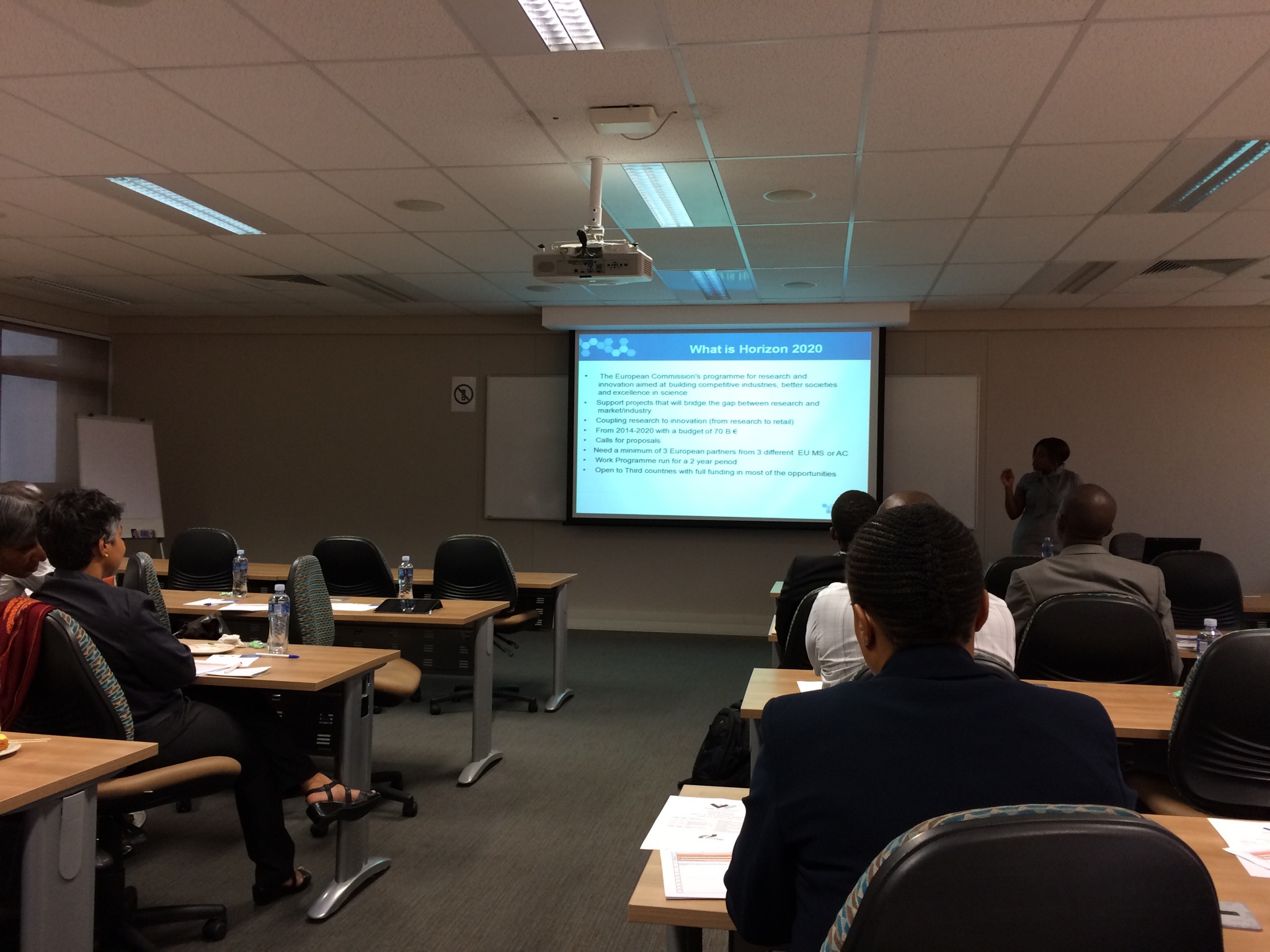
Representatives of Department of Science and Technology had a presentation on the Horizon2020 funding programme to a wide audience from Wits University
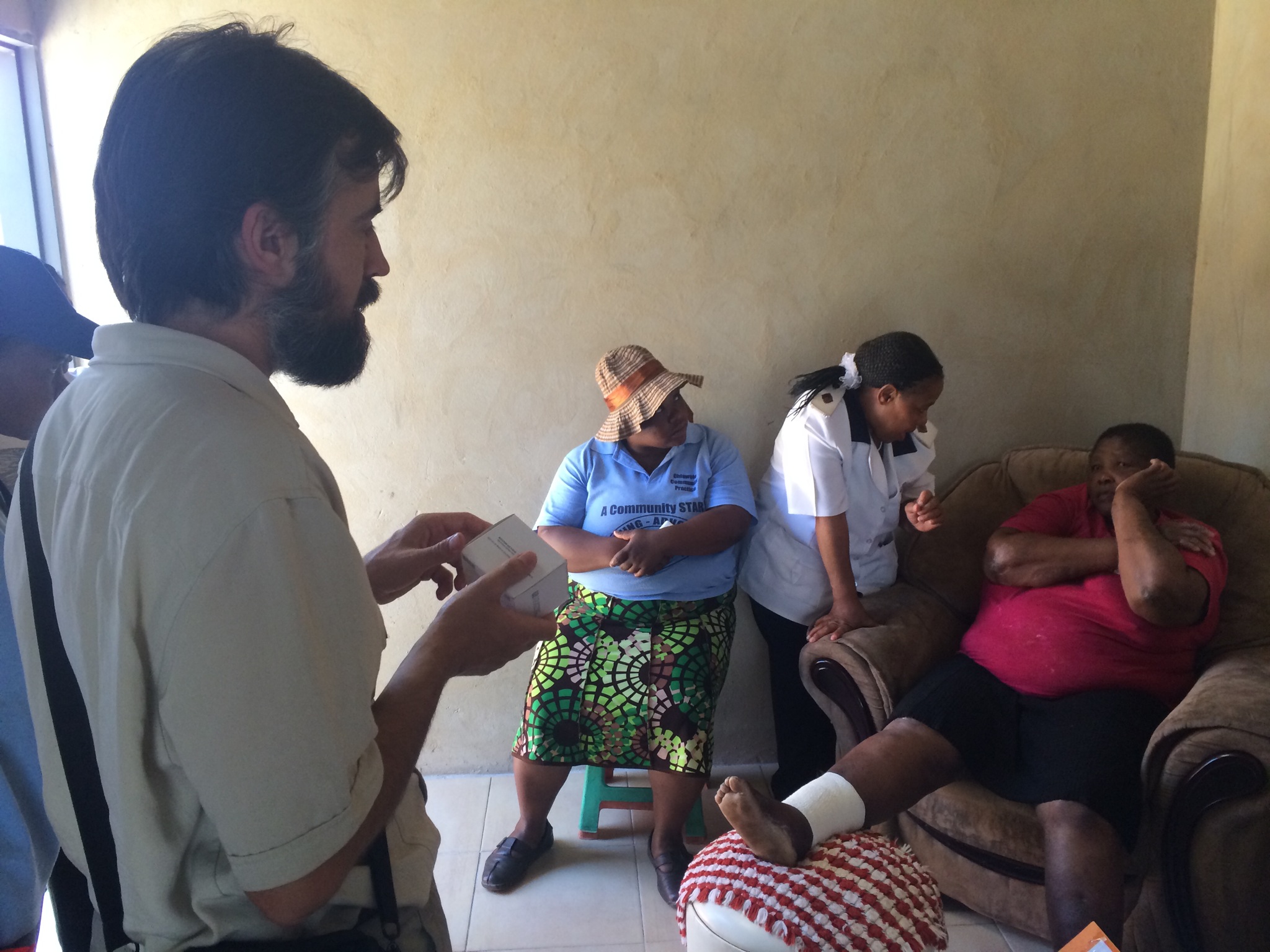
Dr Merlin Wilcox visits Chiawelo
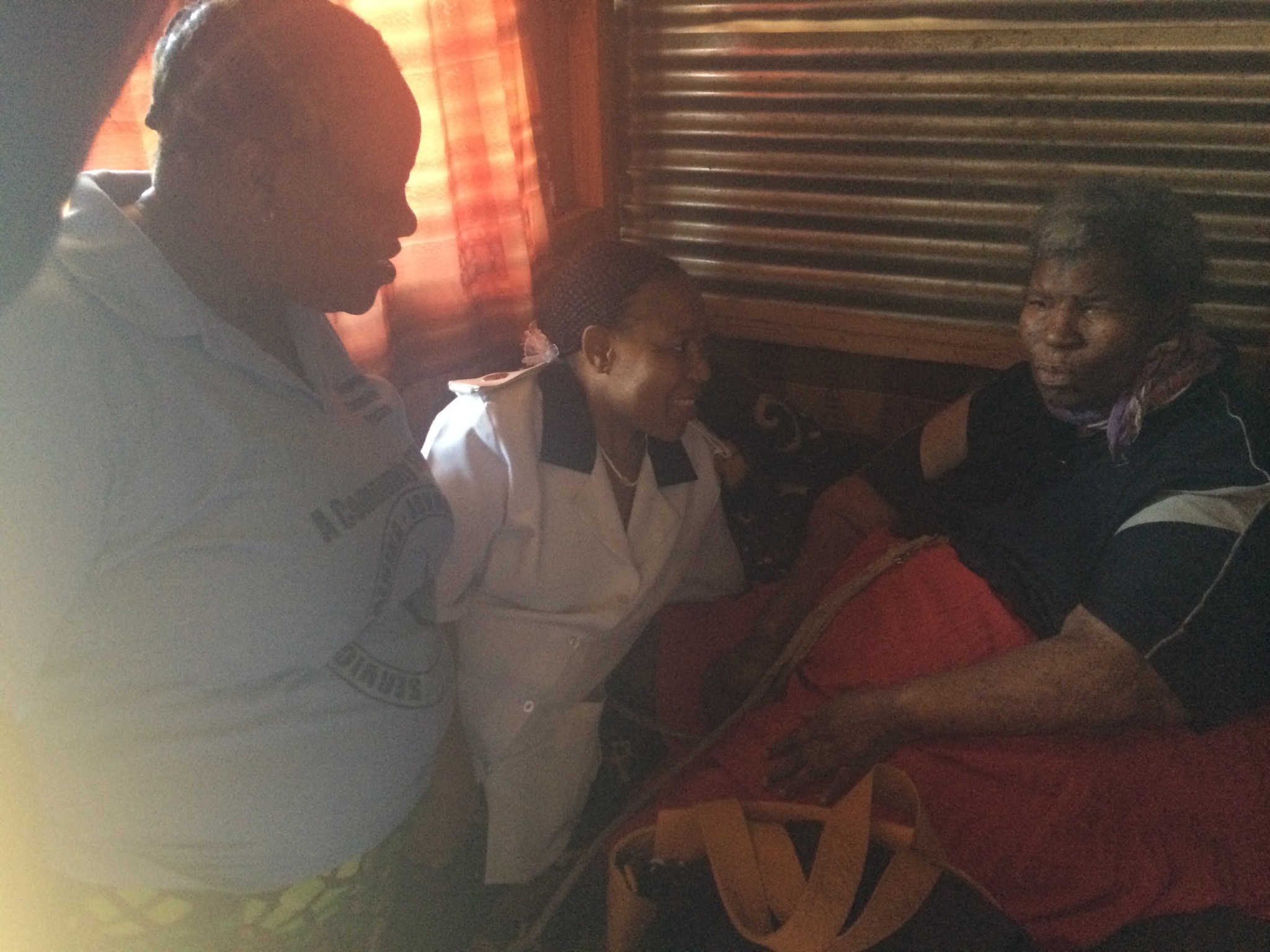
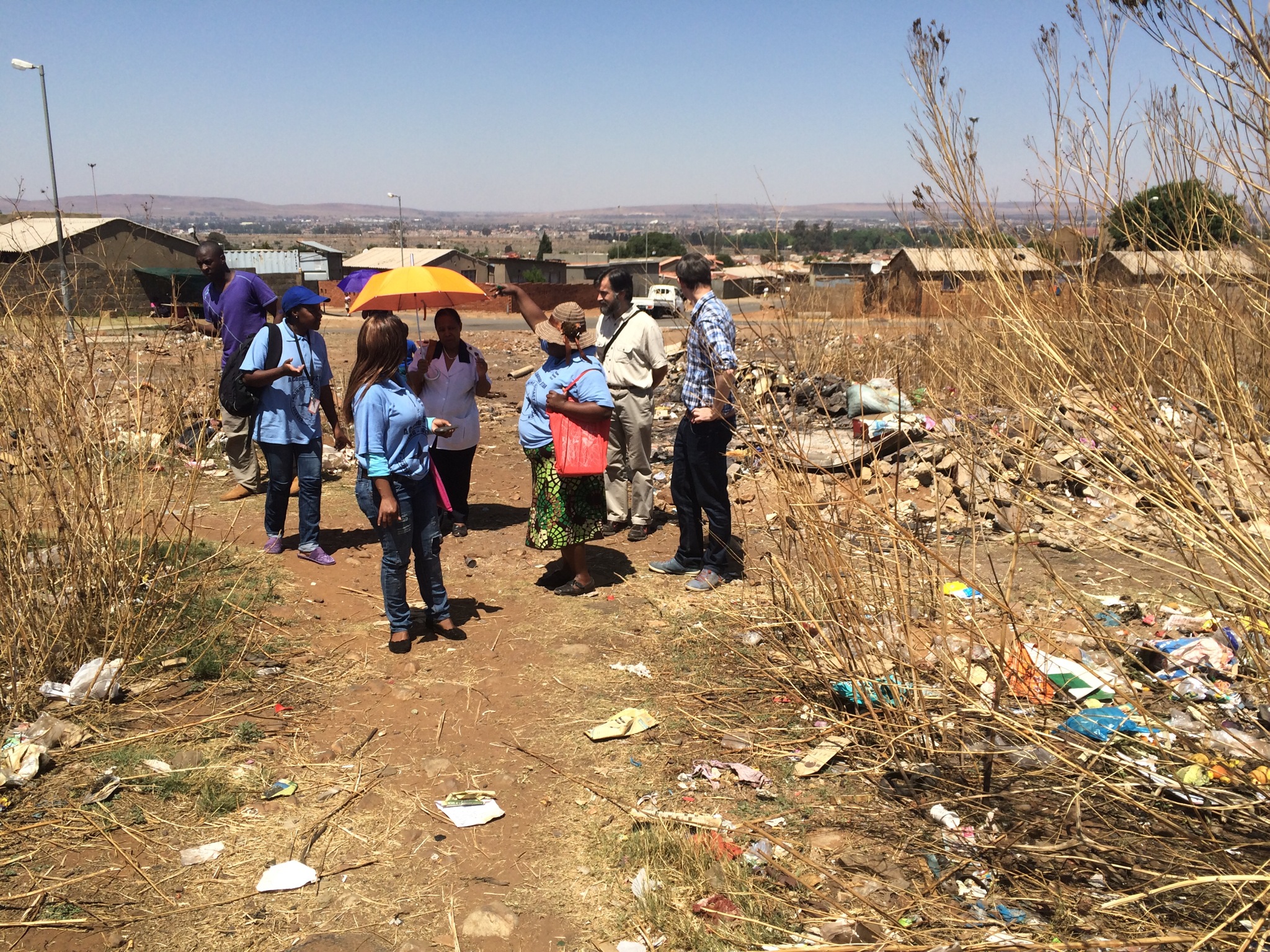
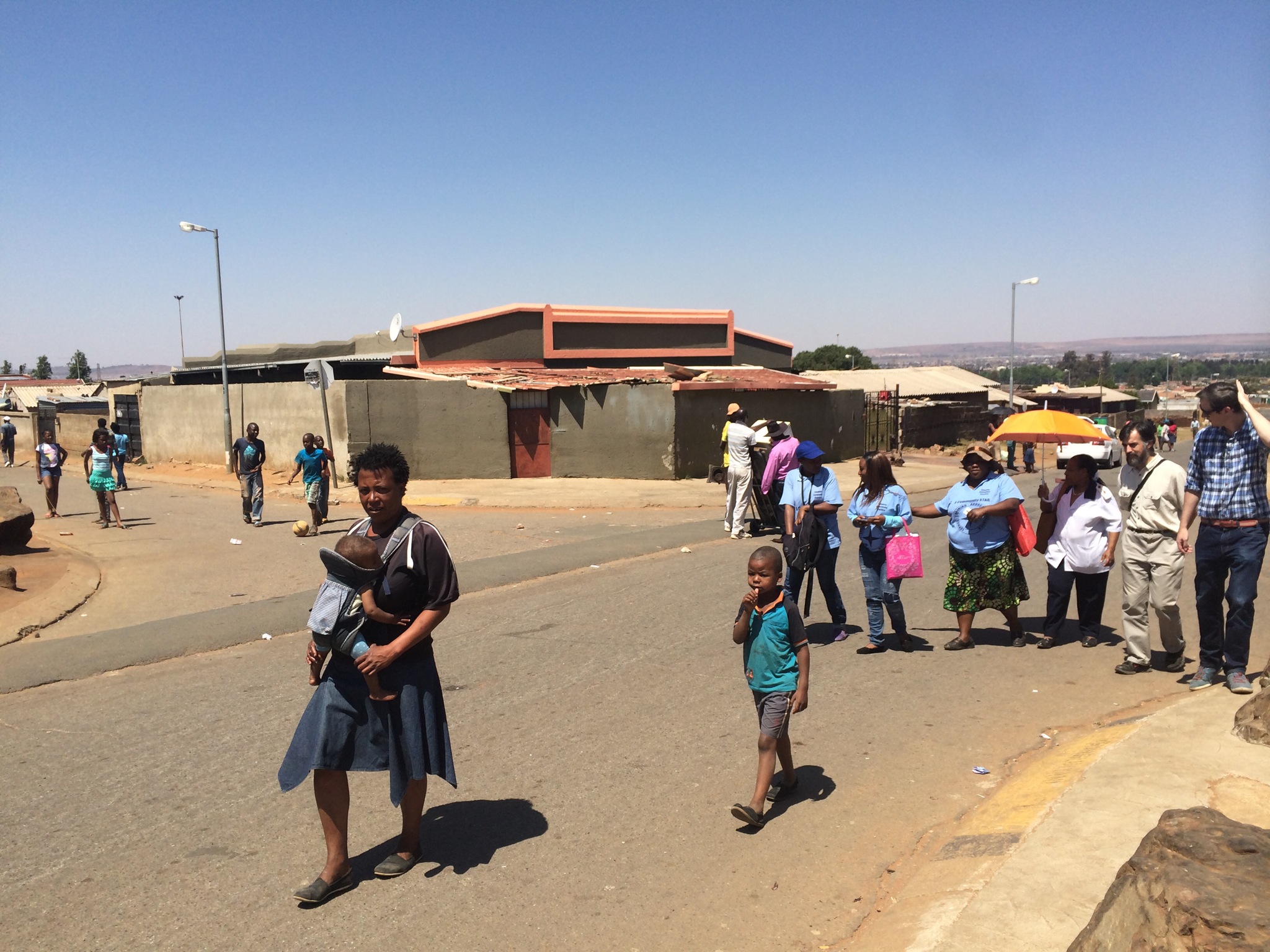
HURPRIM partner from Oxford University visited us at Chiawelo Clinic today. He accompanied our Enrolled nurse, and community health workers on three home visits. Today we visited 3 elderly ladies who are unable to walk to the clinic on their own. All of them were very grateful for the support from the CCP team. The community health workers are doing a fantastic job! Well done team
CCP!
A message from Margret Chan
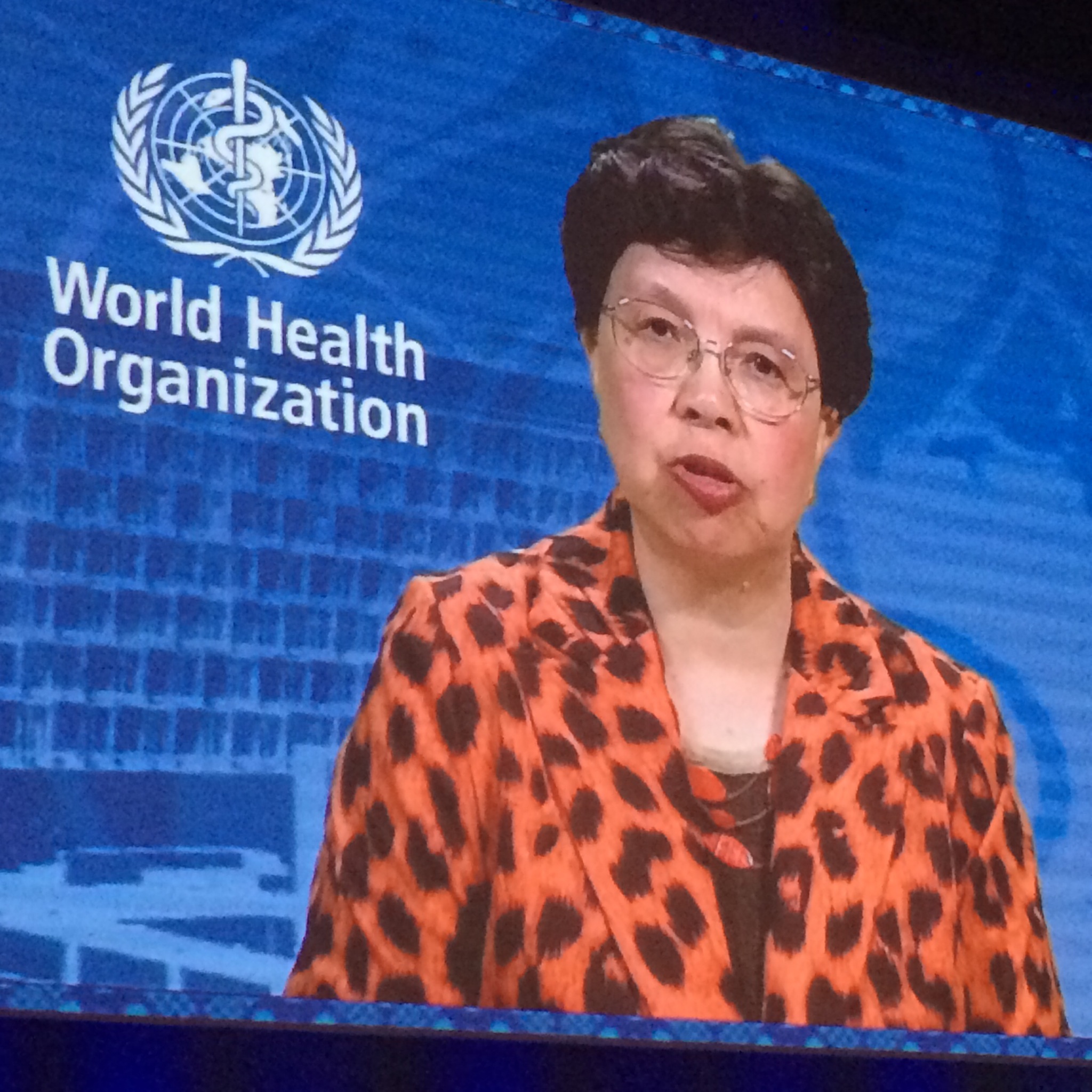
Margret Chan could not be at the Third Global Symposium on Health Systems Research in Cape Town! This is because she is currently working with global leaders to formulate a strategy to address the Ebola Virus. She sent a video message for us!
She emphasized the importance of people centered health systems! She reiterated that the spread of the Ebola virus is evidence of the failure of health systems in fragile states.
She’s asked all health care workers and leaders to continue the fight for people centered health care, to research, and to continue these important conversations that put health systems on the global agenda!
Health systems strengthening is a nation building strategy
Global health systems
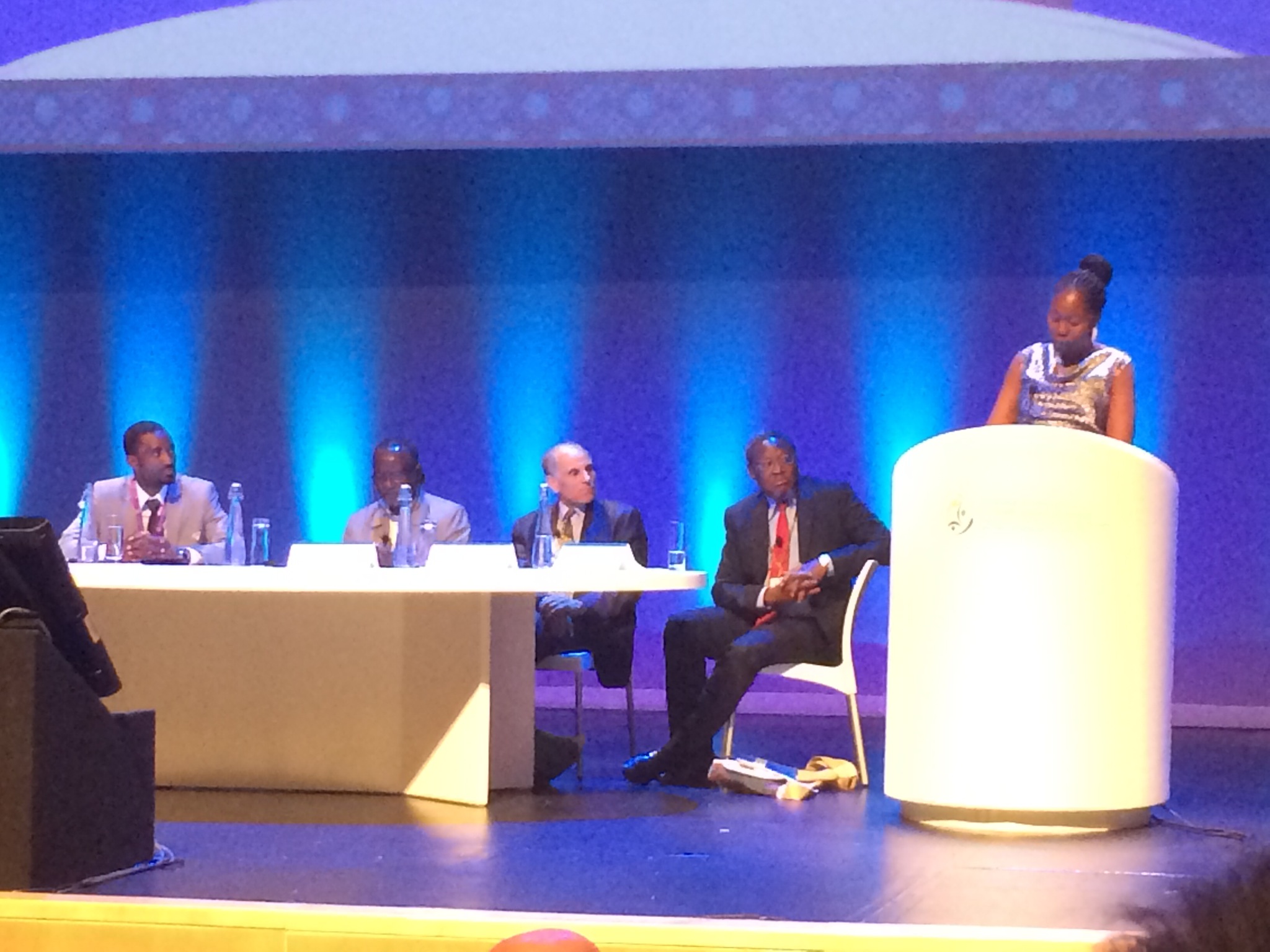
People health systems is the focus of this years Global Health Systems symposium as the world gathers in Cape Town to share ideas to address global health challenges.
September in Pictures at Chiawelo Community Practice
A Colouful Practice – Celebrating Heritage Day!
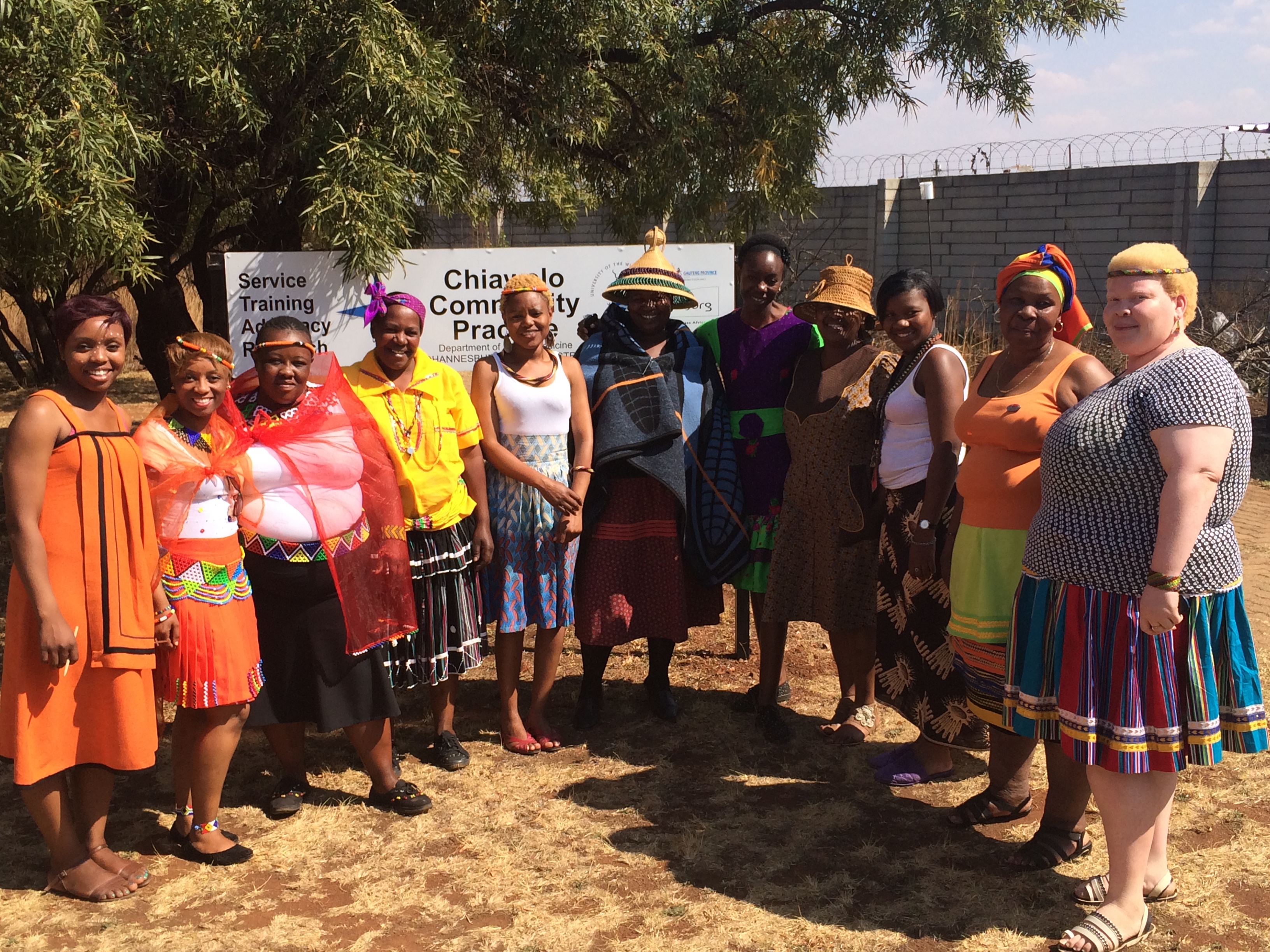
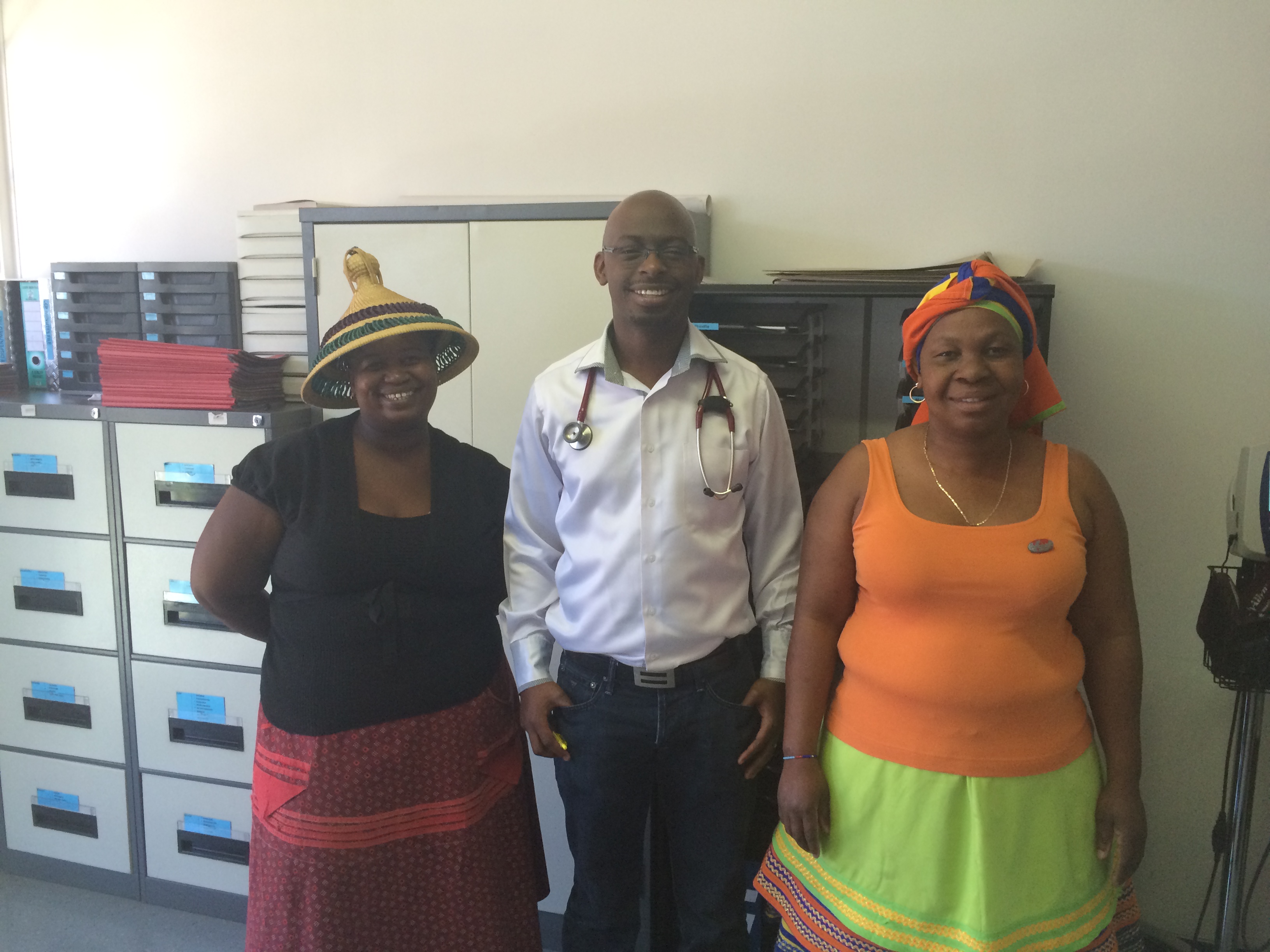
The team at Chiawelo Community Practice (CCP) celebrated South Africa’s cultural diversity during the week surrounding Heritage Day by dressing in various traditional attire. Patients and visitors to the practice were treated to cultural dress representing Sotho, Pedi, Zulu, Tsonga, Xhosa, and even Mozambican culture, showcasing the diversity of traditions that health workers at CCP come from.
Mapping Chiawelo
The team of Community Health Workers (CHWs) at CCP revised the way they are working in the community by mapping their streets and organising their workload more effectively. Using a large map, CHWs have a better sense of how to navigate the dense population in Chiawelo’s Ward 11, and are in a better position to organise themselves in terms of health promotion activities in the community
Research Day at Wits
A few members of the CHW team, lead by David Kampi, manned a stand at the Wits Research Day to showcase the work being done at CCP. There was tremendous interest by members of faculty and students attending the Research Day, and discussions are in place to set up a student volunteer programme at CCP.
Student Visits
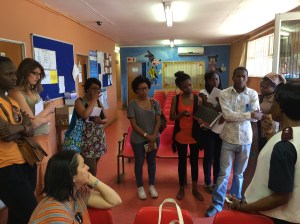
A group of Masters Medical Sociology students doing a course on HIV/AIDS visited CCP to see how the practice works in relation to the existing service. The students were able to engage with clinicians at the practice, and were fortunate enough to be taken on a guided tour of the Hanyani HIV/AIDS clinic at Chiawelo Community Health Centre by Sister Ester Mazibuko.
CHW Training on Stroke and Rehabilitation
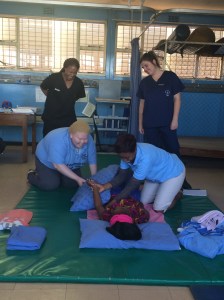
A team of Occupational Therapist and Physiotherapists, along side students from Wits University, trained the Community Health Workers (CHW) at Chiawelo Community Practice on stroke and rehabilitation. The training focused on the role of physiotherapy, dealing with pressure sores, positioning stroke patients, and upper and lower limb exercises; all accompanied by practical sessions.
Here are a few responses from the CHWs who reported back on what they learnt from the training:
“Going for Physiotherapy training has taught me not only what a stroke means, but how to help the stroke patient to be more independent and get a feel of having their lives back to normal”
“We were taught hot to assist the patients with dressing up, hot the family/friends can move them from one chair to another, and how to position the patients to check for bed sores and pressure sores”.
“The training was good. We learnt how to transfer patients from the bed to a wheelchair, or chair”.
“We learnt how to help a stroke patient to be independent, to be able to do things for him/herself”.
“I learnt how to position patients who are bed-ridden and teach the whole family to do exercises to help them with their habits”
“Empowering me more and making me see that stroke patients can still get help and live a normal life”
A special thanks to Sanchia Adam, Talor Golach, Zainab Ismail, and Reggie Sefeffe, as well as all the Wits students who were involved in training.
“Health care is a human system”: A Panel Discussion on Primary Health Care, Social Justice and the Dignity of the Health Worker
A public debate was held at WiSER (Wits Institute for Social and Economic Research) along side the Wits Department of Politics and the History Workshop as part of a series of Public Positions on History and Politics.
Mark Heywood (Section 27) presented a short paper, followed by discussions from Ayanda Ntsaluba (Discovery Health) and Martin Smith (Surgery at Wits and Baragwanath Hospital). The panel was chaired by Laetitia Rispel (Wits School of Public Health).
The debate looked at the provision of health care in South Africa and questioned whether the existing state of primary care has enabled a more equitable society in keeping with the vision of the National Health Plan post 1994. The discussion sought to examine how economic questions can obscure what are often more important problems of proper care in both private and publicly funded institutions. In relation to plans for a National Health Insurance, the debate asked the fundamental question as to how South Africans will secure a health care system that provides them with the kind of considerate, dignified and careful service that all citizens should expect?
To read the discussion paper, click here
Health Minister Launches MomConnect in Pretoria

The Minister of Health, Aaron Motsoaledi, launched an innovation in mobile health technology in Pretoria, MomConnect. MomConnect provides personalised, unique antenatal and postnatal SMS reminders for expectant and new mothers in English, isiZulu and SeSotho. The messages are sent to the mother throughout her pregnancy and postnatally, until her infant is 18 months old. The Baby’s progress is tracked through the Integrated Electronic Patient Record System (IePRS), a medical record system known as Bookwise.
At the launch, the minister expressed that maternal and child health is not the sole responsibility of mothers, but that fathers need to play a more involved role in the wellbeing of their children. The lauch represents a continued commitment by the National Department of Health to provide services to vulnerable populations in addressing the current quadruple burden of disease.
For more information about MomConnect, click here
Working with Traditional Healers in Chiawelo
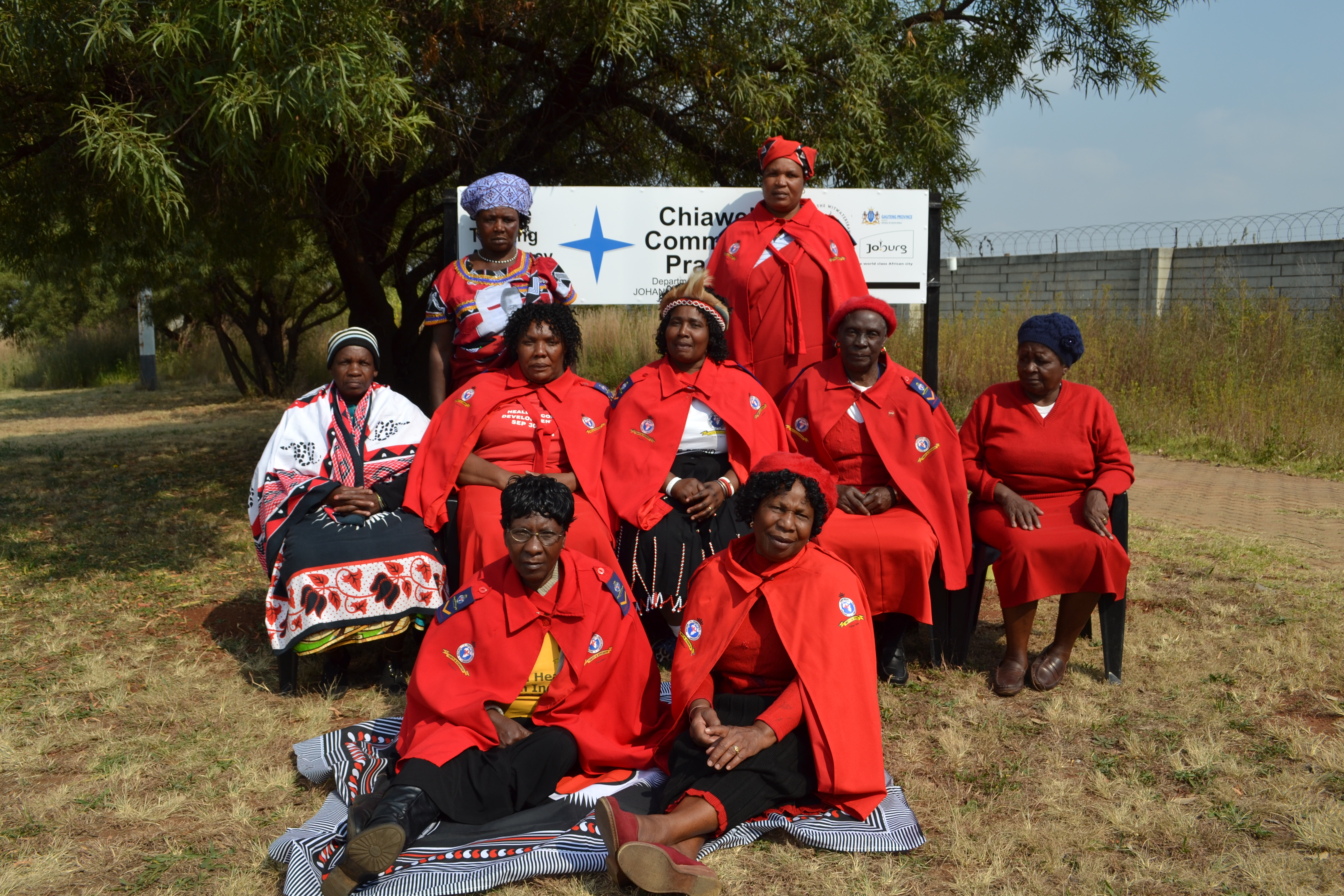
Chiawelo has an active community of traditional healers. A group of more than 20 healers, belonging to the Traditional Healers Organisation (THO), meet weekly in the community to discuss problem and support each other. The THO, an international organisation representing the rights of healers across Southern Africa, advocate for a strict code of conduct in order to “assure the values, quality of treatment, efficacy, safety and ethical standards of member practitioners” (For more info, see here).
Chiawelo Community Practice (CCP) has met a number of times with this group of healers to introduce them to the practice and to develop a working relationship. The healers explained that in the past, they have had a difficult relationship with the exiting public service as many of their clients have been discouraged by clinic staff from using their services. As a starting point, CCP has stressed an open door policy where healers are encouraged to send problem patients to the practice.
Future plans are afoot for a collaborative research project with this group of healers to model an effective means of linking the two healing systems.
Job creation heads five-year strategy
THE government has released its priorities for the next five years — the first of three phases of bringing policy in line with the National Development Plan — which includes reducing unemployment to 14%. The Medium Term Strategic Framework (MTSF) for 2014-19, which sets out government’s priorities over the next five years, was released by Minister in the Presidency Jeff Radebe on Thursday….more
Middle East: a blind spot for liberals
IT IS hard to convince many in the Middle East that liberal democracy can work for them when the headlines from Israel and Palestine signal that liberalism now insists that all people should enjoy equal rights — unless they are Palestinian….more
What is your view on Chiawelo Community Practice
Why medical aids are so expensive
Greater collaboration and sharing of information between stakeholders will lead to reductions in costs…..more
Primafamed Conference Pretoria, South Africa
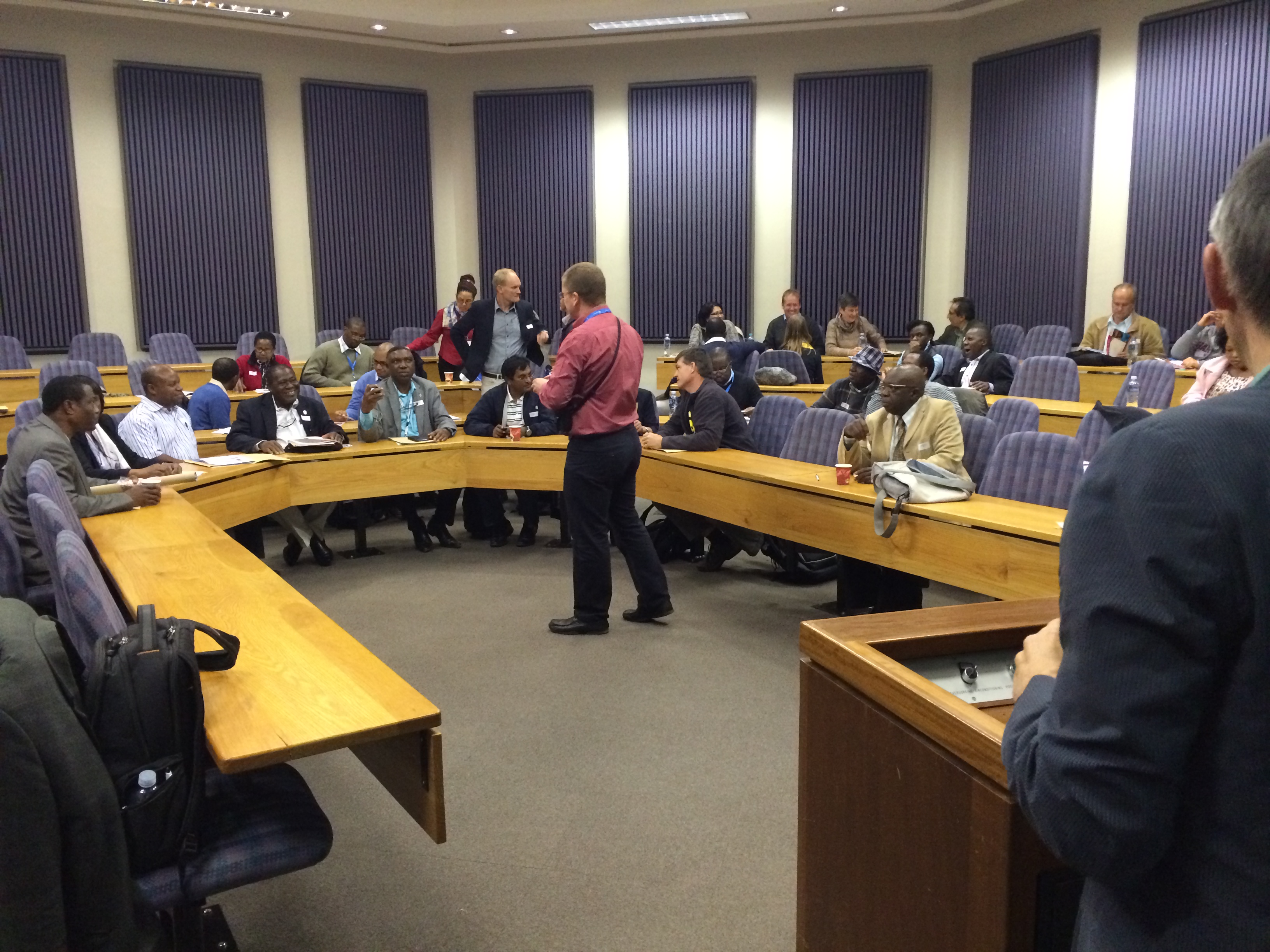
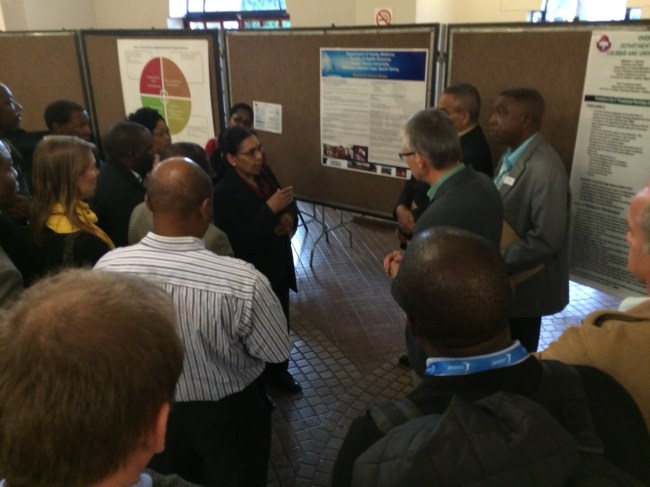
Educationists from almost 20 countries, mostly from across Africa, came together in the Primafamed Conference in Pretoria, to deliberate on the development of research in primary care. There will be two days of deliberation to explore how family medicine departments from across Africa may collaborate in strengthening research in primary care in Africa. Poster presentations showed some interesting challenges and some amazing achievements.
Allied Healthcare Workers in the NHI
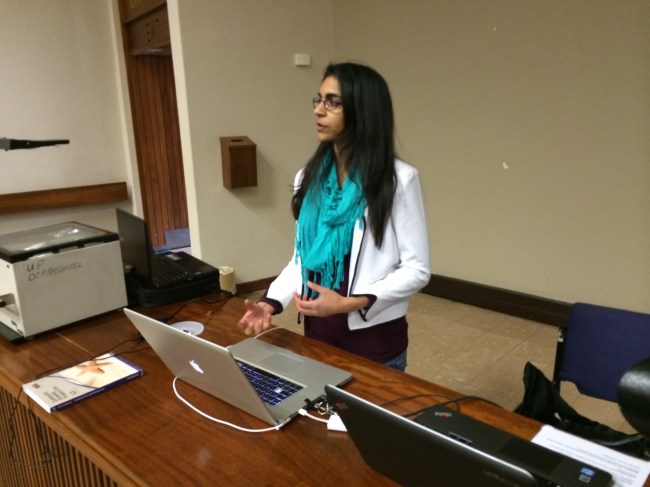 Ms Shehnaz Munshi, occupational therapist and researcher, presented thoughts on the allied healthcare workers in community-oriented primary care, as a model of service under national health insurance. This was at the 17th Family Physicians Congress in Pretoria. She spoke of interprofessional education and service development as a key path to improving the implementation of COPC. Her presentation is here: SANFP_AHP in IPC_Shehnaz Munshi_22-06-14_IPECP_Final. A colleague: Mr Stephen Pentz, also presented on Ethical challenges with CHWs in the PHC Outreach Team. See here: SANFP_Ethics in PHC_Stephen Pentz_22-06-14
 AfroPHC