CABI’s Global Health

CABI’s Global Health is a public health database NOT a journal. You can find out more about it here: www.cabi.org/globalhealthIn the Global Health database, we abstract & index journal articles, conference proceedings and posters, books and book chapters, theses and reports.   96% of the records have an English abstract…language of the original item is not a barrier to us. WE link to the fulltext wherever possible and also separately host fulltext in our own CABI repository for all of these types of content, where we are given permission to do so.  Global Health is used by leading public health schools worldwide to train and support research into national, regional and global public health. One of the key types of content requested by our users is grey literature… i.e. reports which typically remain inaccessible and invisible within the organisations that commissioned them. Just the kind of material in repositories.

I would like to work with institutional repositories and ministries of health in LMIC to expose their content through Global Health so that public health researchers, practitioners and policymakers around the globe can benefit from the insights and expertise they hold.  The differences between each institution, which Jean highlights, would not worry us, as we are used to this and indeed we have already worked with some African institutional repositories outside of the health arena.

If anyone has links to an institutional repository or ministry of health, do please contact me.

Regards

Wendie Norris

Forum 2015 – Access to Health Research: HINARI

CITATION: Knowledge, access and usage pattern of HINARI by researchers and clinicians in tertiary health institutions in south-west Nigeria.

Ajuwon GA;  Olorunsaye JO.

African Journal of Medicine & Medical Sciences.  42(1):97-106, 2013 Mar.

INTRODUCTION: The digital divide is a global challenge. The Health Internetwork Access to Research Initiative (HINARI) is one of the most successful efforts aimed at bridging the digital divide in access to health information in developing countries. There is a dearth of empirical studies on usage pattern of this resource in Nigeria. The aim of this study was to assess knowledge and usage pattern of HINARI by clinicians and researchers in tertiary health institutions in Southwestern Nigeria.

METHODOLOGY: A descriptive cross-sectional survey was conducted among 1150 clinicians and researchers in the 12 tertiary health institutions that had access to HINARI. A standardized, self-completed, 31-item questionnaire was used for data collection. It elicited information on demographic profile, pattern of usage and constraints to use of HINARI.

RESULTS: The majority (72.0%) were aware of HINARI however, only 35.1% have had a formal training on how to use it. Sixty-eight percent (68.0%) had ever used HINARI resources and 62.4% of these did so during the month preceding the study. The most frequently used HINARI resources were MEDLINE/PubMed (53.2%), full text journal articles (55.0%), and reference materials (28.5%). Previous users (50.0%) encountered problems in accessing HINARI; with lack of password being the main challenge for access.

CONCLUSION: Knowledge and use of HINARI resources are high. However, clinicians and researchers are not deriving full benefits from HINARI because few had received training on how to use it. A learner-centered training and wide distribution of the HINARI User Name and Password within the institutions is recommended to address this problem.

Let’s build a future where people are no longer dying for lack of healthcare knowledge – Join HIFA: www.hifa2015.org  
WHO’s new guideline: Health worker roles in providing safe abortion care and post-abortion contraception

WHO’s new guideline, “Health worker roles in providing safe abortion care and post-abortion contraception”, aims to help break down 1 critical barrier which limits access to safe abortion care – the lack of trained providers. Around 22 million unsafe abortions are estimated to take place worldwide each year, almost all in low- and middle-income countries. Even though safe, simple, effective primary health-care level interventions exist, many women still do not have access to them, placing their lives unnecessarily at risk. Get the full text and the executive summary from here

http://nurses-round.blogspot.co.uk/2015/07/health-worker-roles-in-providing-safe.html

Regards,

Ralueke Ekezie

CEO, Blue Torch Home Care

Randomised Trials in Child Health in Developing Countries

Below is the link to a booklet which summarises much of the latest research on child health in developing countries: evidence derived from all the randomized trials published over the last year.

RCTs in child health in developing countries 2014-2015 http://www.ichrc.org/sites/default/files/RCTs%20in%20child%20health%20in%20developing%20countries%202014-2015-2.pdf

The aim is to make this information widely available to paediatricians, child health nurses, midwives, researchers, students and administrators in places where up-to-date health information is hard to find.  We hope it will be helpful in reviewing treatment guidelines and clinical and public health approaches, and in teaching about paediatrics and evidence-based medicine.

This year there were 245 publications from randomised or controlled trials, more than in any previous year.

A brief summary of some of the important results in 2014-15:

  • In a high-mortality setting in Kenya where co-morbidities are common, among children with non-severe pneumonia, oral amoxicillin was non-inferior to intravenous benzylpenicillin, and failure rates at day 14 were 13.5 and 16.8% respectively.   In Brazil oral amocycillin given 2 times per day was as effective as 3 times per day in treating non-severe pneumonia with treatment failure rates of 23% and 22% respectively.
  • Children in African hospitals with severe anaemia were more likely to die in the first 24 hours (case fatality rate 13%) than those with mild or moderate anaemia (7-8%).  Children with severe anaemia who were not transfused at 2.5 hours had a much higher risk of dying than those who received blood early.
  • For Indian children with central nervous system infections managed in an intensive care unit, the targeting of a cerebral perfusion pressure >60mmHg using fluid boluses, and dopamine / noradrenaline, resulted in lower mortality and less neuro-disability than a strategy aiming to keep intracranial pressure <20 mmHg with osmotherapy while ensuring a normal blood pressure.
  • In over 1000 Colombian children in the second year of life, a weekly home visiting program where play was taught over 18 months improved cognitive scores and receptive language.  Micronutrient supplementation had no effect on developmental outcomes in this trial.
  • In rural children in India, Pakistan and Zambia, an early developmental intervention taught to parents over 3 years improved cognitive abilities regardless of the type of development risk the child faced
  • Using a test of “intestinal permeability”, the lactulose: mannitol urinary excretion test, among children at risk of environmental enteropathy, zinc or albendazole reduced the apparent progression of intestinal permeability
  • Among 50 Indian children with type-1 diabetes and ketoacidosis, use of insulin infusion at 0.05 U/kg/hour was associated with equal resolution of acidosis and ketosis, with lower risk of hypoglycaemia than the standard infusion of 0.1 U/kg/hour.
  • Among African children with prolonged convulsions use of intra-rectal diazepam was more effective in controlling seizures than sublingual lorazepam.
  • Among Indian children with infantile spasms, use of high-dose prednisolone (4mg/kg/day) was more effective than 2mg/kg/day in leading to cessation of spasms by 2 weeks
  • In 80 rural villages, India’s “total sanitation campaign”, designed to end the practice of open defecation by provision of individual household latrines, reduced open defecation by 10% and improved sanitation facilities by 19%.  These are modest early gains, as yet insufficient to achieve measurable child health outcomes, but would be expected to grow over time.
  • And this year…an RCT of soap!  In Bangladesh, use of soapy water (30g powdered detergent in 1.5 L water) or bar soap, scrubbing hands for 15 seconds were both more effective in reducing coliforms than scrubbing with plain water!
  • In adolescents and adults in sub-Saharan Africa with HIV and first-line treatment failure, use of a nucleoside reverse-transcriptase inhibitor was more effective as a ritonivir-boosted protease inhibitor (lopinavir-ritonavir), and as effective as combined NRTI and lopinavir-ritonavir, in achieving good HIV control (no stage 4 events, CD4>250, viral load<10,000 copies /ml at 96 weeks of observation).
  • In HIV exposed, uninfected infants in Kenya and South Africa, not breast-feeding was associated with a significantly increased risk of serious infectious events in the first 3 months of life.
  • In Zimbabwe, Nigeria, Malawi and South Africa, trials of the implementation of “Option B+”, which provides all HIV-infected pregnant and breast-feeding women with lifelong combination ART, have been planned and are underway.
  • In Cameroon, mobile-phone text messaging and phone call reminders increased attendance for HIV exposed or infected children.
  • A controlled trial of wearing shoes failed to reduce hookworm, because those in the control arm also acquired shoes!  Wearing shoes in either arm was associated with a lower risk of hookworm infectio
  • Among children in Tanzania infected with Trichuris trichura, the use of albendazole and oxantel pamoate, or albendazole and ivermectin, were more effective than the albendazole and mebendazole, or mebendazole alone
  • In India, a large trial of Integrated Management of Neonatal and Childhood Illness reduced inequity in post-neonatal mortality; that is the effect on child survival beyond the neonatal period was greatest in those from poorer families.  Living within areas where IMNCI was introduced was associated with increased care seeking for neonatal illness, diarrhoea and pneumonia, and a greater chance of being breast fed for 6 months.
  • Among hospitalised Indian children receiving IV fluids, with severe pneumonia or central nervous system infections, use of an isotonic fluid reduced the risk of hyponatraemia compared with use of a hypotonic fluid.
  • In Ghana, providing rapid diagnostic tests for malaria along with realistic training markedly increased the prescription of rational therapy, and in Camaroon use of RDTs reduced the costs of health care in a study which helped define the best type of health worker training
  • A meta-analysis of trials of intermittent preventative therapy for malaria on the effect on anaemia showed a modest protective effect only
  • Among children in Malawi treated for malaria with chloroquine-azithromycin, the incidence of subsequent respiratory and gastrointestinal infections was lower than those treated with chloroquine alone.
  • Among Ugandan children the use of dihydroartemisinin-piperaquine compared with artemether-lumefantrine reduced the risk of recurrent malaria and hospitalisations over the 84 days of follow-up.
  • Among children with sickle-cell disease, malaria parasite clearance was slower than for children without SCD when treated with artemisinin-based therapies.
  • In a large meta-analysis of severe malaria, arthemeter was probably less effective in reducing mortality than artesunate, although there are limited direct comparison trials.
  • Among children with vivax malaria in Peru, 7 days of primaquine was as effective in preventing relapses as 14 days of primaquine
  • In a large cluster RCT of community-based treatment of moderate malnutrition in Burkina Faso, the giving of locally produced ready-to-use supplemental feeds resulted in better weight gain than merely counselling parents about appropriate foods.
  • In Kenya, Mozambique and Tanzania, mothers receiving intermittent preventative therapy for malaria with mefloquine had significantly lower rates of malarial parasitaemia, placental malaria and non-obstetric hospital admissions than mothers receiving placebo, but those who received mefloquine had higher rates of perinatal mother-to-child transmission of HIV.  This was an exploratory finding with potential confounding, but requires further investigation.
  • In Malawi, a large trial of maternal nutrient supplementation with lipid-based nutrient supplementation failed to show improved birth size or child growth in the first 18 months of life.  However in another large trial in Ghana, birth weight was greater (+85g) and risk of low birth weight less with lipid-based nutrient supplementation.
  • In Argentina, a trial of delayed cord clamping showed that it was just as effective if the baby is nursed on the mother’s abdomen immediately after birth as if the baby is held at the level of the placenta.  That is, there is no detrimental effect on blood transfer from placental to baby of immediate skin-to-skin contact with the mother (despite the baby being higher).  In India, umbilical cord milking (a quicker process that may be done in emergency situations) resulted in no different haemoglobin or serum ferritin than delayed cord clamping for 60-90 seconds.
  • In a large trial in rural Tanzania, home-based counselling of newborn care practices by volunteers improved several practices, including clean cord care and exclusive breast-feeding
  • In India, the routine use of antibiotics to babies born through meconium stained amniotic fluid did not reduce the risk of sepsis
  • In 6 countries in South America, Asia and Africa, a trial of antenatal steroids fopr pregnant women at risk of preterm birth did not reduce mortality in those who delivered preterm, but increased neonatal and maternal sepsis and increased overall neonatal mortality.
  • Among very low birth weight infants in Turkey, the use of probiotics (Bifidobacterium lactis) added to expressed breast-milk reduced the risk of necrotising enterocolitis, clinical nosocomial sepsis, length of NICU stay and mortality, compared with placebo or a pre-biotic (inulin).
  • In Democratic Republic of Congo, Kenya and Nigeria, the community based treatment of low risk but possible bacterial infection in newborns with simplified antibiotic regimens which included oral amoxicillin instead of injectable penicillin were no different in effect on newborn sepsis.  Similarly for infants up to 3 months of age with fast breathing only, oral amoxicillin was as effective as injectable penicillin and gentamicin.  Both trials were done in populations at very low risk of serious bacterial infection.
  • In a large trial in 55 villages in Burkina Faso, the implementation of an agriculture, nutrition and health behaviour program run by Helen Keller International reduced wasting, diarrhoea and anaemia.
  • In a large meta-analysis of 30 trials, praziquantel was the most effective drug for treating urinary schistosomiasis, however the proportion of patients cured varied from 22-83%, and trials of combination therapy with other agents is indicated.  There is still no appropriate formulation of praziquantel for young children.
  • In a trial of shortened tuberculosis drug regimens, use of a 4-month regimen that included moxifloxacin was significantly less effective than the standard regimen 2RHZE/4RH.  At this stage shortening TB treatment to less than 6 months is not of proven efficacy.
  • In Indian children with grade I-IV vesicoureteric reflux, use of antibiotic prophylaxis with trimethoprim-sufamethoxizole was associated with a greater risk of UTI, most of which were caused by TMP-SMX resistant bacteria.  Children receiving antibiotic prophyxis also had a greater risk of renal scarring.
  • In a study involving over 10,000 children aged 2-14 years in 5 countries in Asia, three doses of a recombinant, live, attenuated tetravalent Dengue vaccine (CYD-DTV) was 56% efficacious in preventing symptomatic, virologically confirmed dengue over 25 months of follow-up.
  • A follow-up study of HPV vaccine in Taiwan showed protective antibodies for 6 years, at levels which could be expected to last at least 20 years post vaccination.
  • In South Africa, influenza vaccine given to pregnant HIV-positive and HIV-negative women provided partial protection (around 50% efficacy) for them, and protection for the infants the infants were HIV-unexposed.  There was no protection of giving maternal influenza vaccine to infants who were HIV-infected or exposed.
  • In 11 African sites 3 doses of the RTS,S/AS01 malaria vaccine given to infants provided 40-50% protection against clinical malaria, 34% protection against severe malaria and 19% protection against all-cause hospitalisation.
  • In India, giving IPV to children who have at least 6 months previously received 3 doses of OPV boosted intestinal immunity and reduced viral excretion after exposure to a test dose of bivalent OPV.  This boosted intestinal immunity may be used to prevent outbreaks of poliomyelitis.
  • In Indian children given rotavirus vaccine at 6, 10 and 14 weeks, protective efficacy against rotavirus gastroenteritis and severe rotavirus disease of about 50% was observed in the second year of life.
  • There were several large trials of neonatal vitamin A supplementation reported on in 2014-15, finding minimal or no effect on mortality (NeoVitA trials).  In one trial in India of over 40,000 newborns randomised to vitamin A 50,000 U or placebo, vitamin A showed a modest and non-significant lower mortality (-3 per 1000, 95% CI -6% to 0.1) in the first 6 months of life.  In similar trials in Ghana and Tanzania involving 22,000 and 32,000 newborn infants respectively, the mortality risk was also not significantly different in the vitamin supplemented group.  Bulging fontanelle was reported as an adverse effect in <1% of newborns given vitamin A. Trials from Guinea Bissau also confirmed no beneficial effect of neonatal vitamin A supplementation.
  • In Indian children with acute respiratory infection, 2 weeks of prophylactic zinc supplementation reduced subsequent acute lower respiratory infections over the following 5 months of follow-up, but had no effect on all acute respiratory infections.

This is the 13th edition of this booklet.  Previous editions, which summarise 1750 trial publications from 2002-2014 are available at www.ichrc.org<http://www.ichrc.org>.  Look via the Evidence tab.

Please feel free to make as many copies as you like or pass this document on to anyone who may find it useful.

Regards,

Prof Trevor Duke, MD FRACP

Centre for International Child Health, University of Melbourne and MCRI

Forum 2015 – Access to Health Research: Open access

See this news item in the BMJ (11 July 2015):

‘Dutch universities plan to boycott Elsevier after it fails to agree open access deal: Universities in the Netherlands are to ask their researchers to resign from editor in chief posts with Elsevier journals because the publisher will not agree an open access deal. The universities won’t renew a deal in which they gain access to all of Elsevier’s subscription journals unless the publisher ensures, without significant price rises, that 60% of the country’s scientific output is open access by 2019 and 100% by 2024. If this action does not succeed the universities plan to ask Dutch researchers to stop reviewing for Elsevier journals and may, as a last resort, ask them to stop publishing papers in its titles.’

The drive towards open access seems to be inexorable.

Best wishes,

Neil

Let’s build a future where people are no longer dying for lack of healthcare knowledge – Join HIFA: www.hifa2015.org  

Governing Large Scale CHW Programs from the CHW Reference Guide

CHW Central is continuing to explore how to support large scale CHW programs.  Our latest feature looks at Who’s in Charge?  The Complexity of Governing Large-Scale CHW Programs.   “Who’s in charge?” is a difficult question for CHW programs to answer, especially those operating on a large scale. Who are the people and institutions that make decisions about running a program? How do they arrive at their decisions? And how are these decisions implemented and enforced? Things rapidly become complicated for CHW programs as they may or may not be part of a formal health system. CHWs may answer to multiple authorities, and what works very well in one area may not be appropriate in another.   

Chapter 4 of the CHW Reference Guide defines the importance of governance and lays out the issues:  How are policies made?  Who implements decisions regarding CHW programs? What laws and regulations are needed to support the program? How should the program be adapted across different settings in the country or region?

Find the full article on the CHW Central website;  as well as over 550 other resources related to community health workers.   

Donna Bjerregaard, Senior Technical Advisor, Initiatives Inc.

www.initiativesinc.com / www.chwcentral.or

Contamination of Stethoscopes and Physicians’ Hands After a Physical Examinationof a

Results of a study suggest that the contamination level of the stethoscope is substantial after a single physical examination and comparable to the contamination of parts of the physician’s dominant hand….. more
Request for health education videos in Spanish – Hesperian Health Guides

Our book Where There Is No Doctor, which includes practical information on first aid, nutrition and infection and disease prevention, among other topics, is available in English and Spanish in a variety of formats on our website (http://store.hesperian.org/HB/prod/B010R.html, http://store.hesperian.org/HB/prod/B011R.html). While we don’t have any of our resources available on DVD, we do have a PDF of Doctor in Spanish and English on CD, which line up page for page, and are meant for bilingual use (http://store.hesperian.org/HB/prod/CD010.html). We also have thousands of illustrations from our materials available for download on our Image Library (http://images.hesperian.org/home.tlx), which can be a great teaching tool.

Please let me know if you have any questions about our materials, or if I can help you find any specific resource on our website. Thank you for the work you and your husband are doing, and I hope you enjoy your time in Peru!

Best regards,

Rachel Grinstein

Rachel Grinstein

Development and Marketing Associate

Hesperian Health Guides

P: 510.845.1447 | F: 510.845.9141

www.hesperian.org

Engaging communities for increasing immunisation: what do we know?

3ie has recently published a scoping paper, Engaging communities for increasing immunisation: what do we know?, analysing the role of community engagement approaches in immunisation programmes. The paper includes an evidence gap map that outlines available evidence on the subject, analysis of survey findings and expert interviews. Below are links to the paper, a blog and a short video on the findings from the study.

Scoping paper(http://bit.ly/1DdPZWU):

Engaging communities for increasing immunisation coverage: what do we know?

This paper analyses the role of community engagement approaches in immunisation programmes. It finds that these programmes focus mainly on demand generation. Technology-based interventions may work but contextual factors should inform the programme design. The study also highlights implementation problems, which if not addressed, can lead to a lack of confidence in the programme. However, more studies are needed to identify what works in this regard.

Blog(http://bit.ly/1gsu989):

Collaborating with communities to improve vaccine coverage: a strategy worth pursuing?

Can community-based approaches increase immunisation coverage in developing countries? Shagun Sabarwal and Jyotsna Puri blog about the findings from 3ie scoping paper. This is part of a programme that will generate new evidence on what works to engage communities in increasing immunisation coverage, test the feasibility and effectiveness of these approaches, and inform their scale up.

Video(http://bit.ly/1MB1MBu):

Collaborating with communities to improve vaccine coverage: a strategy worth pursuing?

Shagun Sabarwal, 3ie evaluation specialist and the lead author of a scoping paper,Engaging communities for increasing immunisation: what do we know?, discusses the role of community engagement approaches in immunisation

programmes.

View html version:

http://www.3ieimpact.org/media/filer_public/2015/07/31/immunisation-31july15.html

==============================================

Our mailing address is:

International Initiative for Impact Evaluation (3ie) 202-203, Rectangle One

D-4, Saket District Center New Delhi 110017 India

Our telephone:

+91 11 4989 4444

HIFA profile: Paromita Mukhopadhyay is Online Communications Officer at the International Initiative for Impact Evaluation, India. pmukhopadhyay AT 3ieimpact.org

__________

Forum 2015 – Access to Health Research: Open access

Many thanks for re-emphasising the important difference between free and open access. Open access is defined differently by different people, which can create some confusion. Wikipedia itself, arguably  the world’s greatest example of open-access publishing, defines open access as: “Open access (OA) means unrestricted online access to research. Open access is primarily intended for peer-reviewed academic journals, but is also provided for a growing number of theses,[2] book chapters,[3] and monographs.[4] Open access comes in two degrees: gratis open access, which is online access free of charge, and libre open access, which is online access free of charge and with some additional usage rights.[5] These additional usage rights are often granted through the use of various specific Creative Commons licenses.[6] Only libre open access is fully compliant with definitions of open access such as the Berlin Declaration on Open Access to Knowledge in the Sciences and Humanities.” Arguably, this definition itself needs to be updated (and the beauty of Wikipedia is that anyone can do so). I sense, for example, that more and more people think it is misleading for a publisher to describe their content as “open access” when in fact it is free-to-view, but without usage rights. That said, free-to-view is vastly preferable to restricted-access.

To take our discussion on open access forward, I would be grateful to hear your thoughts on three questions:

1. Is universal open access to health research the long term vision that we should all be working towards?

Personally, I believe the answer to this statement is a resounding “Yes”. What do you think?

If you agree, I would like to put a second question:

2. What is already happening, and what more can be done, to accelerate progress towards universal open access to health research?

Open access publishers such as PLoS and BioMed Central have led the way, and I hope they are enjoying as much support as ever to continue to grow. Now virtually every major publisher is introducing open-access within their business strategy – isn’t it amazing to think that, until just a few years ago, all major publishers were resisting open access? All the ‘traditional’ publishers collectively have enormous experience and expertise, and it is surely desirable that they transition successfully and progressively towards open-access publishing. What might be done to help such transition?  

Some observations: More and more research funders are insisting on open access to research findings (and including a budget line for this purpose as part of the overall research costs). This is a hugely important driver. Also, more and more research institutions have agreements with open-access publishers, thereby removing costs and time for individual researchers. And bibliometric research is increasingly showing clear benefits and impact of open-access research. Here on HIFA, it is quite obvious that the vast majority of papers that are discussed are open-access. A HIFA member recently even said that if a paper isn’t free or open access, they don’t need to know about it! I suspect many share this, and it is food for thought for researchers who are still wondering whether to publish open versus restricted access.

Furthermore, more and more citizens worldwide are aware of what open access is all about, and see it as a logical and ethical imperative.

Is there anything further that can be done to accelerate progress and smooth the transition towards universal open access to health research?

And lastly, given the focus of HIFA:

3. What is already happening, and what more can be done, to encourage and support journals published in LMICs to transition to open access?

Best wishes,

Neil

Let’s build a future where people are no longer dying for lack of healthcare knowledge – Join HIFA: www.hifa2015.org  

Basic medical aid could soon be within reach of the poor

THE Council for Medical Schemes (CMS) could allow medical schemes to launch cheap products for low-income workers as early as next year, it emerged on Tuesday at the annual Board of Healthcare Funders (BHF) conference. The CMS is a statutory body charged with regulating the medical schemes industry, while the BHF is an industry association for medical schemes and administrators. ….more

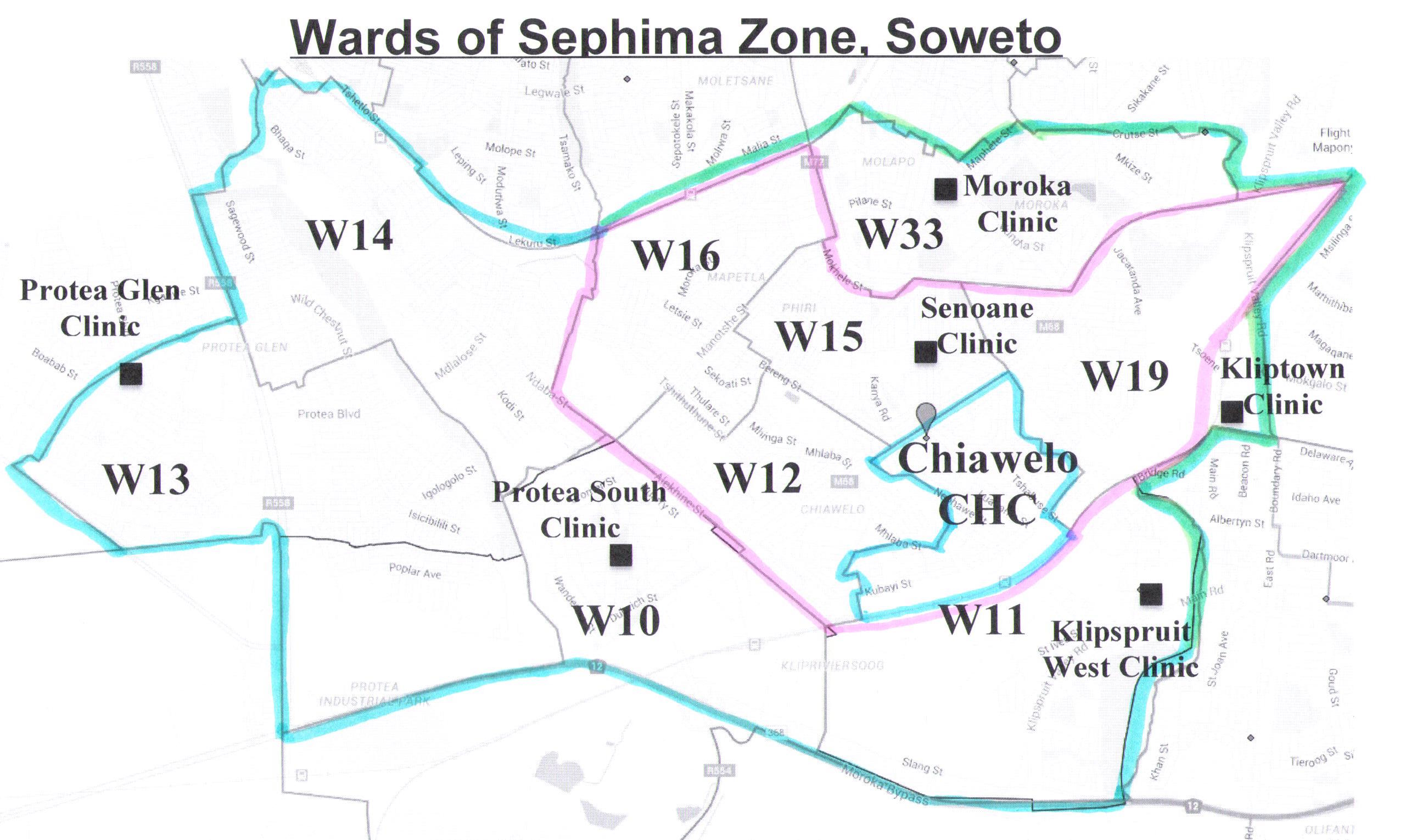
Chiawelo Community Practice grows

Sephima Expansion MapWe just switched on today the CCP model of care that applies to half of Ward 11 ±20 000 people (blue) to 4 more wards involving 120 000 people (pink). It went off reasonably smoothly for the first day. We plan to extend range of care and switch other wards on one by one over the next few weeks to cover ±250 000 people in 10 wards totally (green), ±25% of Soweto. Keep your eye on this space!

Depression Screening Test

Use this brief 18-question online automated quiz to help you determine if you may need to see a mental health professional for diagnosis and treatment of depression, or for tracking your depression on a regular basis….more

Depression in children and young people: identification and management in primary, community and secondary care.

Stepped Care

The stepped-care model of depression draws attention to the different needs that depressed children and young people have – depending on the characteristics of their depression and their personal and social circumstances – and the responses that are required from services. It provides a framework in which to organise the provision of services that support both healthcare professionals and patients and their parent(s) or carer(s) in identifying and accessing the most effective interventions (see table below).

Table. The Stepped Care Model

Focus Action Responsibility
Detection Risk Profiling Tier 1
Recognition Identification in presenting children or young people Tiers 2-4
Mild depression (including dysthymia) Watchful waiting
Non-directive supportive therapy/group cognitive behavioural therapy/guided self-help
Tier 1
Tier 1 or 2
Moderate to severe depression Brief psychological therapy
+/– fluoxetine
Tier 2 or 3
Depression unresponsive to/recurrentdepression/psychotic depression Intensive psychological therapy
+/– fluoxetine, sertraline, citalopram, with an antipsychotic
Tier 3 or 4

See more

Amitriptyline for neuropathic pain in adults

Moore RA, Derry S, Aldington D, et al. Amitriptyline for neuropathic pain in adults. Cochrane Database Syst Rev. 2015 Jul 6;7:CD008242. (Review) PMID: 26146793

Amitriptyline has been a first-line treatment for neuropathic pain for many years. The fact that there is no supportive unbiased evidence for a beneficial effect is disappointing, but has to be balanced against decades of successful treatment in many people with neuropathic pain. There is no good evidence of a lack of effect; rather our concern should be of overestimation of treatment effect. Amitriptyline should continue to be used as part of the treatment of neuropathic pain, but only a minority of people will achieve satisfactory pain relief. Limited information suggests that failure with one antidepressant does not mean failure with all. ….more

Oral non-steroidal anti-inflammatory drugs versus other oral analgesic agents for acute soft tissue injury

Jones P, Dalziel SR, Lamdin R, et al. Oral non-steroidal anti-inflammatory drugs versus other oral analgesic agents for acute soft tissue injury. Cochrane Database Syst Rev. 2015 Jul 1;7:CD007789. (Review) PMID: 26130144

There is generally low- or very low-quality but consistent evidence of no clinically important difference in analgesic efficacy between NSAIDs and other oral analgesics. There is low-quality evidence of more gastrointestinal adverse effects with non-selective NSAID compared with paracetamol. There is low- or very low-quality evidence of better function and fewer adverse events with NSAIDs compared with opioid-containing analgesics; however, one study dominated this evidence using a now unavailable COX-2 selective NSAID and is of uncertain applicability. Further research is required to determine whether there is any difference in return to function or adverse effects between both non-selective and COX-2 selective NSAIDs versus paracetamol…… more

Financing global health: the poverty of nations

Financing global health: continued and expanded support for health is not a choice, it is a necessity if the vision for sustainable and resilient human development is to be fully realised…..more

New online course on implementation research under development

A massive open online course (MOOC) on implementation research is being developed by TDR. The value and utility of this type of research will be introduced through case studies to be presented and interpreted by experienced public health researchers, practitioners and academics.

The content being developed will be free to anyone. This is TDR’s first foray into this type of training, building on materials such as the Implementation Research Toolkit. http://www.who.int/tdr/publications/topics/ir-toolkit/en/

Dermot Maher, TDR coordinator of research capacity strengthening, says, “We can reach relatively small groups of people through the usual training methods. However, this new on-line training approach enables us to reach a potentially huge number of people, to help them better understand and apply this important and growing field of research. MOOCs have the potential to revolutionise TDR’s approach to research training.” […]

Let’s build a future where people are no longer dying for lack of healthcare knowledge – Join HIFA: www.hifa2015.org  

Access to Health Research: Pubmed/Medline

‘MEDLINE is the U.S. National Library of Medicine® (NLM) premier bibliographic database that contains more than 22 million references to journal articles in life sciences with a concentration on biomedicine. A distinctive feature of MEDLINE is that the records are indexed with NLM Medical Subject Headings (MeSH)… [Medline includes] citations from more than 5,600 worldwide journals in about 40 languages… Since 2005, between 2,000-4,000 completed references are added each day… For citations published in 2010 or later, over 40% are for cited articles published in the U.S., about 93% are published in English’

http://www.nlm.nih.gov/pubs/factsheets/medline.html

Much research from LMICs has limited visibility because it is published in journals that are not indexed by Pubmed/Medline.

The Medline selection criteria state (inter alia):

– ‘Foreign language journals: Criteria for selection are the same as for those written in English. In order to extend the accessibility of the journal’s content to a wider potential readership, the majority of published articles in the review issues must contain an English-language abstract before the title will be considered for possible indexing.’

– ‘Geographic coverage: The highest quality and most useful journals are selected without regard for place of publication. In order to provide broad international coverage, special attention is given to research, public health, epidemiology, standards of health care, and indigenous diseases. Journals will generally not be selected for indexing if the contents are subjects already well represented in MEDLINE or that are being published for a local audience.’

In practice, the majority of journals published in low- and middle-income countries are not indexed by Medline.

This raises many questions:

Q1.4 How can journals published in LMICs be better supported to achieve the criteria demanded by Medline?

Q1.5 Should the Medline criteria be changed to accommodate more journals from LMICs?

Q1.6 How can non-Medline journals be made visible through alternative indexes? For example, what is the experience of indexing services such as WHO’s African Index Medicus, the Western Pacific Region Index Medicus, Index Medicus of the South East Asia Region and Global Index Medicus, and how can these indexing services be strengthened?

I look forward to learn more from HIFA members – Medline staff, publishers, journal editors, researchers and users of health research. What are your experiences, observations and suggestions for the future?

Best wishes,

Neil

Let’s build a future where people are no longer dying for lack of healthcare knowledge – Join HIFA: www.hifa2015.org  

mHealth Knowledge: Facilitating Knowledge Management for mHealth by Connecting Global Health Professionals to People, Products, and Ideas

mHealth Knowledge offers users a curated selection of key resources on mHealth. Visitors to the site can review the latest evidence, find program tools and resources, plan mHealth initiatives, and connect with other mHealth practitioners. mHealth Knowledge offers a range of essential resources:

– Applications & Platforms: Browse the latest mobile health applications and software platforms.

– Blogs & News: Connect to current discussion forums, mHealth news sites, and RSS feeds for important global mHealth updates, information, and conversations.

– Capacity Building & Learning: Access the free K4Health mHealth Basics Course, TechChange classes, and other online learning modules.

– Communities of Practice: Find technical working groups and email distribution lists that build capacity, facilitate collaboration, and provide a space for mHealth knowledge sharing.

– Multimedia Content: Find engaging mHealth-related images, videos, audio program files, and SMS messaging.

– Project Repositories: Search our collection of project registries and inventories to find relevant program examples.

– Tools & Guides: Browse essential resources for planning and implementation.

– mHealth Alliance Archive: Tap into the rich collection of reports supporting national digital health systems strengthening from the mHealth Alliance.

mHealthEvidence.org: Our comprehensive database makes it easier for software developers, researchers, program managers, funders, and other key decision makers to quickly get up to speed on current state-of-the-art programs.

To view K4Health’s mHealth portfolio, please visit K4Health’s mHealth page.

https://www.k4health.org/topics/mhealth?utm_source=The+Knowledge+for+Health+%2528K4Health%2529+Project+Newsletter&utm_campaign=20c812122a-K4Health_Newsletter_July_2015&utm_medium=email&utm_term=0_71dffef8fd-20c812122a-7368509

Let’s build a future where people are no longer dying for lack of healthcare knowledge – Join HIFA: www.hifa2015.org