The White Paper on National Health Insurance (NHI) is complete, but reports The Mercury, Health Minister Aaron Motsoaledi still needs to present it to the cabinet before making it public. “We have given it to the Treasury (for a financing model) and at the next cabinet space I have, I will present it. In dealing with the issues going forward, what I can say now is that technology, different business models and a change in behaviour in public health facilities will all be central to changing public health care in South Africa,” said Motsoaledi, who was speaking at a medical conference at the weekend. The White Paper is set to map out how the NHI will be introduced….more
Category Archives: News
News
Hand grip beats BP in assessing health
The firmness of your hand grip is better than your blood pressure at assessing your health, researchers at the Population Health Research Institute of McMaster University and Hamilton Health Scienceshave found, and reduced muscular strength, measured by your grip, is consistently linked with early death, disability and illness.
“Grip strength could be an easy and inexpensive test to assess an individual’s risk of death and cardiovascular disease,” said principal investigator Dr Darryl Leong, an assistant professor of medicine at the Michael G DeGroote School of Medicine and cardiologist for the hospital. “Doctors or other healthcare professionals can measure grip strength to identify patients with major illnesses such as heart failure or stoke who are at particularly high risk of dying from their illness.”
The study followed almost 140,000 adults aged 35 to 70 over four years in 17 countries. Their muscle strength was measured using a handgrip dynamometer. They were taking part in the institute’sProspective Urban-Rural Epidemiology (PURE) study.
The researchers found that for every five kilogram decline in grip strength, there was a one in six increased risk of death from any cause. There was the same 17% higher risk of death from either heart disease or stroke, or non-cardiovascular conditions. These associations with grip strength were not accounted for by differences in age, sex, education level, employment status, physical activity, tobacco and alcohol use, diet, BMI, waist-to-hip ratio or other conditions such as diabetes, hypertension, cancer, coronary artery disease, COPD, stroke or heart failure, or their country’s wealth.
Healthy grip strength does depend on the individual’s size and weight, and in this study appeared to vary with ethnicity. Further analysis is needed to identify the cut-offs for healthy grip strength in people from different countries.
Leong added that more research is also needed to establish whether efforts to improve muscle strength are likely to reduce an individual’s risk of death and cardiovascular disease.
A short tour of Ottawa, Canada by our hosts – CACHC
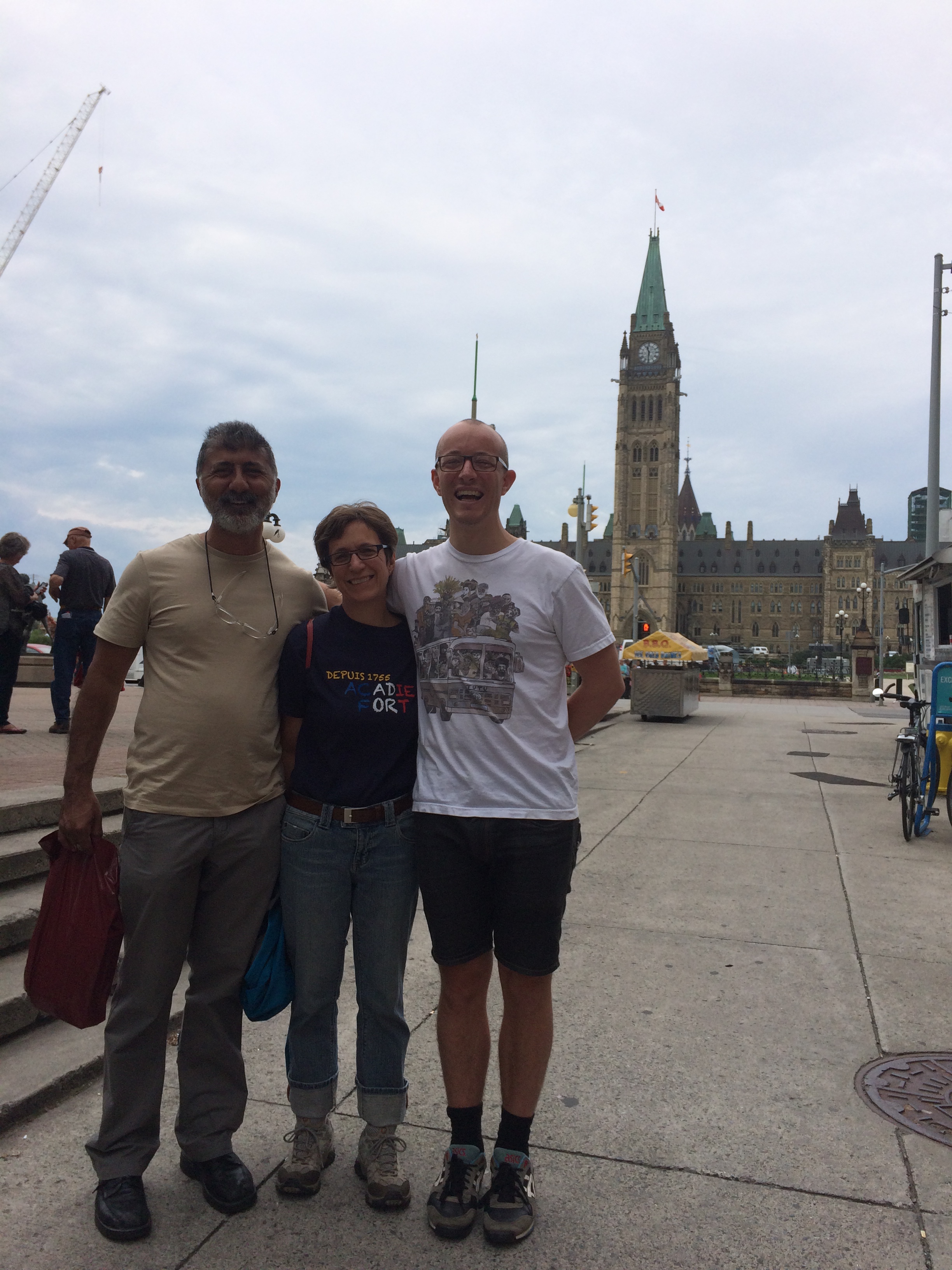
Shabir and Chris, Hope you both landed safely. It was a thrill to spend some quality time with both of you. Hope to see you both soon or at least find ways to continue our exchange.
I always come out of these international dialogues pumped as I’m reminded how well surrounded we are by others globally who care about community health and well-being.
Warm regards from sunny Ottawa.
Simone
Centretown CHC
South Africa’s growing middle class
South Africa as a relatively young democracy has had a number of challenges to say the least. One of the positives that has however come out of all the turmoil over the past two decades has been the emergence of a fast growing middle class….more

Selection and performance of village health teams (VHTs) in Uganda
I was interested to see this paper in the open access journal Human Resources for Health. It draws attention to the importance of the process for selection of CHWs: ‘Though there is consensus that local communities should be involved in the selection of CHWs, questions have remained on how that selection should be structured.
A review of studies on CHW programmes noted that authors state that CHW were “selected by the community” without showing how this was done. This is problematic if large-scale programmes involving volunteer CHWs are to be sustained in communities. The question that needs to be constantly asked is what is the best way to draw volunteers from a community, without relying on financial incentives?’ Indeed, this suggests a wider question: How to attract and retain CHWs, with or without financial incentives, in a way that maintains and indeed strengthens current links and trust between the CHWs and the communities they serve.
It seems to me that one of the biggest challenges facing scale-up of CHWs and their integration into the formal health system will be: How to integrate CHWs while maintaining their trust, accountability and sense of ownership to and by the communities they serve. I look forward to hear your views.
CITATION: Selection and performance of village health teams (VHTs) in Uganda: lessons from the natural helper model of health promotion
Emmanuei Benon Turinawe, Jude T. Rwemisisi, Laban K. Musinguzi, Marije de Groot, Denis Muhangi, Daniel H. de Vries, David K. Mafigiri, and Robert Pool
Human Resources for Health (2015) 13:73
http://www.human-resources-health.com/content/pdf/s12960-015-0074-7.pdf
ABSTRACT
Background: Community health worker (CHW) programmes have received much attention since the 1978 Declaration of Alma-Ata, with many initiatives established in developing countries. However, CHW programmes often suffer high attrition once the initial enthusiasm of volunteers wanes. In 2002, Uganda began implementing a national CHW programme called the village health teams (VHTs), but their performance has been poor in many communities. It is argued that poor community involvement in the selection of the CHWs affects their embeddedness in communities and success. The question of how selection can be implemented creatively to sustain CHW programmes has not been sufficiently explored. In this paper, our aim was to examine the process of the introduction of the VHT strategy in one rural community, including the selection of VHT members and how these processes may have influenced their work in relation to the ideals of the natural helper model of health promotion.
Methods: As part of a broader research project, an ethnographic study was carried out in Luwero district. Data collection involved participant observation, 12 focus group discussions (FGDs), 14 in-depth interviews with community members and members of the VHTs and four key informant interviews. Interviews and FGD were recorded, transcribed and coded in NVivo. Emerging themes were further explored and developed using text query searches. Interpretations were confirmed by comparison with findings of other team members.
Results: The VHT selection process created distrust, damaging the programme’s legitimacy. While the Luwero community initially had high expectations of the programme, local leaders selected VHTs in a way that sidelined the majority of the community’s members. Community members questioned the credentials of those who were selected, not seeing the VHTs as those to whom they would go to for help and support. Resentment grew, and as a result, the ways in which the VHTs operated alienated them further from the community. Without the support of the community, the VHTs soon lost morale and stopped their work.
Conclusion: As the natural helper model recommends, in order for CHW programmes to gain and maintain community support, it is necessary to utilize naturally existing informal helping networks by drawing on volunteers already trusted by the people being served. That way, the community will be more inclined to trust the advice of volunteers and offer them support in return, increasing the likelihood of the sustainability of their service in the community.
SELECTED EXTRACTS:
‘The natural helper model (NHM) is based on a simple premise: within every community, an informal helping network already exists. People with problems naturally seek out other people they trust, and interactions are often spontaneous [31]. The NHM taps into and uses this already existing network to disseminate accurate information on health and other social services to the community; since many people are linked to different helping networks simultaneously [32], the dissemination of health messages can be reinforced.’
Let’s build a future where people are no longer dying for lack of healthcare knowledge – Join HIFA: www.hifa2015.org
Towards health equity: a framework for the application of proportionate universalism
Research
Towards health equity: a framework for the application of proportionate universalism
Gemma Carey, Brad Crammond, Evelyne De Leeuw
International Journal for Equity in Health (2015) 14:81
Published online: 15 September 2015
Abstract / Resumen:
Introduction: The finding that there is a social gradient in health has prompted considerable interest in public health circles. Recent influential works describing health inequities and their causes do not always argue cogently for a policy framework that would drive the most appropriate solutions differentially across the social gradient This paper aims to develop a practice heuristic for proportionate universalism. Methods: Through a review the proposed heuristic integrates evidence from welfare state and policy research, the literature on universal and targeted policy frameworks, and a multi-level governance approach that adopts the principle of subsidiarity. Results: The proposed heuristic provides a more-grained analysis of different policy approaches, integral for operationalizing the concept of proportionate universalism. Conclusion: The proposed framework would allow governments at all levels, social policy developers and bureaucrats, public health professionals and activists to consider the appropriateness of distinctive policy objectives across distinctive population needs within universal welfare state principles.
Keywords / Palabras clave:
Equity in Health; Universal Health Coverage; Health Inequities; Health Planning; Health Research Policy
How to obtain this report / Como obtener este informe: click here.
http://www.equityhealthj.com/content/14/1/81
Visit the Portal/Blog of the PAHO/WHO Equity List & Knowledge network : http://equity.bvsalud.org/
Visite el SÃtio/Blog de la Lista de Equidad y Red de Conocimiento: : http://equity.bvsalud.org/es/
For additional information of the Equity List or contributions please contact Mrs. Eliane P. Santos, Advisor, Library and Information Networks KBR/ Pan American Health Organization, RRegional Office of the World Health Organization – pereirae@paho.org
Pan American Health Organization, Regional Office of the World Health Organization for the Americas
Office of the Assistant Director
Area of Knowledge Management, Bioethics and Research (KBR)
__________
People’s Republic of China health system review
People’s Republic of China health system review
The World Health Organization
Health Systems in Transition, Vol. 5 No. 7 2015
Published online: September 2015
Abstract / Resumen:
China has made great achievements in improving health status over the past six decades with a huge population that accounted for about 19% of total world population in 2012. The life expectancy at birth in China has increased from 35 years in 1949 to 75 years in 2012, mainly the result of government commitment to health, provision of cost effective public health programmes, coverage of health financial protection mechanisms, and a basic health care delivery network. China is facing many health challenges amid its demographic and epidemiological transition of rapid economic growth, urbanization and industrialization, population ageing, diseases and risk factors related to lifestyle and environmental pollution. […] Social health insurance schemes, including the rural cooperative medical scheme, urban employee-based health insurance scheme, and urban resident-based health insurance schemes, have reached universal population coverage. These are run by government subsidies and individual contributions and cover both outpatient and inpatient care. Governments provide subsidies for covering essential public health programmes. Access to health care has increased rapidly with the expanded coverage of financial protection mechanisms. Over the past decade, out-of-pocket payments as a proportion of total health expenditures have declined dramatically…
Keywords / Palabras clave:
Health Care Reform; Health System Plans; 4. China. I. Asia Pacific Observatory on Health Systems and Policies.
How to obtain this report / Como obtener este informe: click here.
http://iris.wpro.who.int/bitstream/10665.1/11408/1/9789290617280_eng.pdf
Visit the Portal/Blog of the PAHO/WHO Equity List & Knowledge network : http://equity.bvsalud.org/
Visite el Sítio/Blog de la Lista de Equidad y Red de Conocimiento: : http://equity.bvsalud.org/es/
For additional information of the Equity List or contributions please contact Mrs. Eliane P. Santos, Advisor, Library and Information Networks – KBR/ Pan American Health Organization, Regional Office of the World Health Organization – pereirae@paho.org
Pan American Health Organization, Regional Office of the World Health Organization for the Americas
Office of the Assistant Director
Area of Knowledge Management, Bioethics and Research (KBR)
The full text is freelay available here:
http://iris.wpro.who.int/bitstream/10665.1/11408/1/9789290617280_eng.pdf
‘The management of severe mental patients is one of the essential public health services in China. All diagnosed severe mental health patients who live at home can access information, diagnosis, relevant treatment, and follow-up assessment free of charge from local township hospitals, village clinics and community health centres (or stations).’
‘At the beginning of 1985, China stopped using the term “barefoot doctor”, and started to develop village doctors. By the end of 2012, China had 1.02 million village doctors (Ministry of Health, 2013a).’
‘A GP should first attend five-year undergraduate education in clinical medicine (including traditional Chinese medicine), after which they will receive three-year standardized GP training. GP training and use in China are still in their infancy and there is a severe shortage.’
‘Because of the differences in language and medical education systems, the migration of Chinese health-care professionals to foreign countries is not a significant phenomenon.’
‘China has established a health education system in which the key players are professional health education institutions, PHC and related health institutions, schools, enterprises and government departments. The National Health Education Centre is responsible for providing technical guidance on health education activities and carrying out health education-related research.’
Best wishes, Neil
Let’s build a future where people are no longer dying for lack of healthcare knowledge – Join HIFA: www.hifa2015.org
100 Health Messages for Children to Learn and Share
Its a pleasure to bring to you our 100 messages for children to learn and share in our 10 priority topics. They have taken two years to create. They are designed for children aged 10-14. We know there are difficult words like ‘contaminated’ and ‘directed’ but we also know that children like difficult words and enjoy learning how to say them and what they mean.
Our messages and other content have already been used to help support the development of health education materials by Save the Children and by the Partnership for Child Development.
We are pasting the messages below plus here is a link to the PDF for anyone who wants to download them.
http://www.childrenforhealth.org/wp-content/uploads/2015/09/The-100-Messages.pdf
Our next step is to find interested experts who can help ensure these are the best and most up to date messages and to help us make changes to the messages as new evidence emerges. If you would like to help us or want to find out more, please get in touch!
We know that a ‘message’ for a child to learn and share is only a starting point. In the projects we help, we see how the messages have become like a doorways for children who use them to start chatting to their families and friends . The messages are the start of a mini investigationCould we do this? Why don’t we do thatt? etc.
Please use this content as you wish and please let us know how you get on and what you think of it.
Best wishes
Clare Hanbury
—
100 messages for children to learn and share
MALARIA
- 1. Malaria is a disease spread by the bite of an infected mosquito.
- 2. Malaria is dangerous. It causes fever & can kill, especially children & pregnant women.
- 3. Prevent malaria by sleeping under insecticide treated bed nets that kill mosquitoes & stop them biting
- 4. Malaria mosquitoes often bite between sunset & sunrise.
- 5. When children get malaria they may grow and develop more slowly.
- 6. There are three types of insecticide spraying to kill malaria mosquitos: in houses, in the air & onto water.
- 7. The signs for malaria are high fever, headaches, muscle & stomach aches & chills. Rapid tests and treatment saves lives.
- 8. Malaria can be prevented & treated with medicine as directed by a health worker.
- 9. Malaria lives in an infected person’s blood and can cause anaemia that makes us tired and weak.
- 10. Anti--malaria pills prevent or reduce malaria and anaemia in places and at times when there is lots of malaria in a community.
DIARRHOEA
- 1. Diarrhoea is watery poo that happens three or more times a day.
- 2. Diarrhoea is caused by germs getting into the mouth from contaminated food, drink or touching the mouth with dirty fingers or using dirty spoons or cups
- 3. The loss of water and salts makes the body weak. Unless these are replaced, diarrhoea can kill young children quickly from dehydration.
- 4. Diarrhoea can be prevented by giving extra safe drinks like safe water or coconut or rice water. Babies need breast milk most of all.
- 5. A child with diarrhoea may have a dry mouth and tongue, sunken eyes, no tears, loose skin, cool hands and feet and in babies a sunken soft spot on the head.
- 6. Children doing more than 5 watery poos/day or bloody poo or who start to vomit too, MUST be seen by a health worker.
- 7. ORS stands for ‘Oral Rehydration Solution’. Find ORS at clinics & shops. Mix it right with clean safe water to make the best drink for diarrhoea.
- 8. Most medicines do not work but zinc pills stop diarrhoea sooner for children over 6 months. ORS and other drinks MUST be given as well.
- 9. Young children with diarrhoea need tasty, mashed food as often as possible to make their body stronger.
- 10. Diarrhoea can be prevented by breastfeeding babies, good hygiene habits, immunisation (especially against rotavirus and measles) and by making sure food is safe.
NUTRITION
- 1. Food that makes us GO plus food that makes us GROW, plus food that makes us GLOW is GOOD food that makes the body strong!
- 2. Malnutrition happens if we eat too little, or eat too much junk food. Avoid it by sitting & sharing the right amount of good food at meals.
- 3. Children under 2 years need to be weighed each month at an under 5’s clinic to check that they’re growing well.
- 4. If children become thin or swollen in the face or feet or too quiet, they need to see a health worker.
- 5. When children are ill they may lose appetite. Give them lots to drink and soup & more food than normal when getting better.
- 6. Breast milk is the only food and drink a baby needs from birth to 6 months. It has Go, Grow & Glow!
- 7. After 6 months babies need breast milk + mashed or ground family food 3--4 times a day + 1 snack between each meal.
- 8. Eating natural foods of different colours every week is the best way to have a healthy balanced diet
- 9. Red, yellow and green fruits and vegetables are full of ‘micronutrients’ too small to see, but they make our bodies strong.
- 10.& Prevent sickness & sadness by washing food we eat & cook. Use cooked food quickly or store it properly.
COUGHS AND COLDS AND MORE SERIOUS ILLNESSES
- 1. Smoke from cooking fires has tiny bits in it that can go into the lungs and cause illness. Avoid smoke by cooking outside or where fresh air comes in and smoke escapes.
- 2. Smoking tobacco makes lungs weak. Breathing smoke from other people smoking is also harmful.
- 3. Everyone gets coughs and colds. Most get better quickly. If a cough or colds last more than 3 weeks, visit a health worker.
- 4. There are types of germs called bacteria and others called viruses. Viruses cause most coughs and colds and cant be killed using medicine.
- 5. Lungs are the part of the body that breathes. Coughs or cold make lungs weak. Pneumonia is a bacteria germ that causes serious illness in weak lungs.
- 6. A sign of pneumonia (a serious illness) is fast breathing. Listen to the breath. Watch the chest going up and down. Other signs are fever, sickness & chest pain.
- 7. Fast breathing is 40--50 or 60 breaths a minute or more (depending on a child’s age). A child breathing FAST must go to a health worker FAST!
- 8. A good diet (and breastfeeding babies) a smoke--free home and immunisation helps prevent serious illness like pneumonia.
- 9. Treat a cough or cold by keeping warm, drinking tasty drinks often (like soup and juice), resting and keeping the nose clean.
- 10. Stop coughs, colds and other illnesses spreading from one to another. Keep hands, eating and drinking utensils clean and cough into paper.
CARING FOR BABIES AND YOUNG CHILDREN
- 1. Play games, cuddle, talk, show, laugh and sing to babies and young children as much as you can.
- 2. Babies and young children become angry, afraid and tearful easily & can’t explain their feelings. Always be kind.
- 3. Young children learn fast: how to walk, make sounds, eat and drink. Help them but let them make safe mistakes too!
- 4. All girls and all boys, are as important as each other. Treat everyone well especially children who are sick or who have disabilities.
- 5. Young children copy the actions of those around them. Look after yourself, behave well near them & show them good ways.
- 6. When young children cry, there’s a reason (hunger, fear, pain). Try to find out why.
- 7. Help prepare young children for learning at school by playing number and word games, painting or drawing, Tell them stories, sing songs and dance.
- 8. In a group, watch and record in a notebook how a baby grows into a toddler and when they do important ‘firsts’ like speak, walk & talk.
- 9. Help prevent diseases by helping adult carers and older children check that babies & young children are clean (especially hands and faces), drink safe water & eat enough good food.
- 10. Give loving care to babies & young children but don’t forget about yourself. You are important too!
INTESTINAL WORMS
- 1. Millions of children have worms living inside their body, in a part called ‘the intestines’ . This is where the food we eat is used by our body.
- 2. Different kinds of worms can live in our bodies like roundworm, whipworm, hookworm and bilharzia (schistosomiasis). There are others too!
- 3. Worms can make us feel ill or weak. They can cause stomach--aches coughs, fever and sickness.
- 4. Worms live inside your body so you might not know they are there but sometime you can see worms in your poo.
- 5. Worms and their eggs get in to our bodies in different ways: some get in from food or drink like unsafe water. Others get in through bare feet.
- 6. Killing worms with ‘de--worming’ treatment is easy and cheap. It’s given by health workers every 6 or 12 months or more for some worms.
- 7. Worm eggs live in pee and poo. Use latrines or get rid of pee and poo safely. Wash your hands with soap after you pee or poo, and if you help someone younger so worm eggs don’t get on your hands.
- 8. Stop worms getting into your body by washing hands with soap after a pee or poo, washing fruit and vegetables, before preparing food, eating or drinking and by wearing shoes.*
- 9. Some worms live in the soil so always wash your hands with soap after touching soil.
- 10. When watering plants to eat, make sure you use water that does not have human pee or poo in it.
WATER SANITATION AND HYGIENE
- 1. To wash hands properly: use water & a little soap. Rub for 10 seconds, rinse & air--dry or dry with a clean cloth/paper, not on dirty clothes.
- 2. Wash your hands properly before touching the T--zone on your face (eyes, nose and mouth) as this is where germs enter the body. Avoid touching the T--zone when you can.
- 3. Wash your hands BEFORE preparing food, eating or giving food to babies, AFTER pee or poo or cleaning baby or helping someone who is ill.
- 4. Keep your body and clothes fresh & clean. Keep your nails & toes, teeth & ears, face & hair CLEAN. Shoes/flip--flops protect against worms.
- 5. Keep human & animal poo & pee away from flies that spread germs. Use latrines & afterwards, wash your hands
- 6. Keep your face fresh and clean. Wash well with a little clean water and soap morning and evening, plus if flies buzz near sticky eyes.
- 7. Don’t touch clean, safe water with dirty hands or cups. Keep it safe & free from germs.
- 8. Sunlight makes water safer. Filter it into a plastic bottles & leave for 6 hours until it’s safer to drink.
- 9. When you can, use the sun to dry & destroy germs on plates & utensils after washing.
- 10. Kill or reduce flies by keeping the home & community free from rubbish & dirt. Store rubbish safely until it’s collected, burned or buried.
IMMUNISATION
- 1. Millions of parents all over the world every year make sure their children grow strong and protected from diseases by taking them for immunization.
- 2. When you are ill with an infectious disease, a tiny, invisible germ has entered your body. The germ makes more germs and stops your body working well.
- 3. Your body has special soldier--like protectors called ‘antibodies’ to fight germs. When germs are killed, antibodies stay in your body ready to fight more again.
- 4. Immunisation puts an ‘antigen’ into your body (by injection or by mouth). They teach your body to make the solider--like antibodies to fight a disease.
- 5. Some immunisations have to be given more than once to help your body build up enough antibodies to protect against a disease.
- 6. Horrible diseases that cause death and suffering like measles, tuberculosis, diphtheria, whooping cough, polio, and tetanus (and more!) can be prevented by immunisation.
- 7. To protect your body you need to be immunised before the disease strikes.
- 8. To protect children right away immunisations are given to babies. If a baby missed their chance they can be immunised later.
- 9. Children can immunised at different times for different diseases. Find out when and where your community immunises children.
- 10. If babies or young children are a little unwell on the day of immunisation they can still be immunised.
HIV AND AIDS
- 1. Our body is amazing and every day there are special ways it protects us from getting diseases from the germs we breathe, eat, drink or touch.
- 2. HIV is a germ called a VIRUS (the V is for VIRUS). It is an especially DANGEROUS virus that stops our body protecting itself well from other germs.
- 3. Scientists have created medicines that stop the HIV from being dangerous but no one has found a way to remove it from the body completely.
- 4. After time and without medicine, people with HIV develop AIDS. AIDS is a group of serious illnesses which make the body weaker and weaker.
- 5. HIV is invisible and lives in blood and other liquids in the body that are made during sex. HIV can be passed 1. During sex 2. From infected mothers to babies and 3. In blood.
- 6. People protect themselves from getting HIV from sex by 1. Not having sex 2. Being in a faithful relationship when both people know they do not have HIV or 3. By having sex using condoms (protected sex).
- 7. You can play, share food, drink, hold hands and hug people with HIV and AIDS. It is safe and you will not catch HIV this way.
- 8. People with HIV and AIDS sometime feel afraid and sad. Like everyone, they need love and support and so do their families. They need to talk about their worries.
- 9. To help themselves and others, people who think they may have HIV or AIDS must go to a clinic or hospital for testing and counselling.
- 10. In many countries, people that have HIV get help and treatment. A medicine called ‘Anti Retroviral Therapy’ (ART) helps them live long lives.
ACCIDENTS
- 1. Cooking areas are dangerous for young children. Keep them away from fire and from sharp or heavy objects.
- 2. Children need to keep away from breathing smoke from fires. It causes illness and coughing.
- 3. Anything poisonous must be kept out of the reach of children. Don’t put poisons in empty soft drink bottles.
- 4. If a child is burned, put cold water on the burn immediately until the pain lessens (10 minutes or more).
- 5. Vehicles and bicycles kill and injure children every day. Be aware of all vehicles & show others how to be safe too.
- 6. Look out for dangers for young children like knives, glass, electric plugs, wire, nails, pins etc.
- 7. Stop young children eating dirt or putting small things into or near their mouths (e.g. coins, buttons) as these can block breathing.
- 8. Stop young children playing near to water where they may fall in (rivers, lakes, ponds, wells).
- 9. Create a first aid kit for home or school (soap, scissors, disinfectant & antiseptic cream, cotton wool, thermometer, bandages/plasters & ORS).
- 10. When you go somewhere new with a young child, be aware! Look and ask about the dangers for young children.
- —
The role of Standard Treatment Guidelines and Essential Medicines Lists to support rational prescribing
Below are the citation, abstract and key messages of a new paper in Health Policy and Planning, highly relevant to HIFA’s work on promoting the availability and use of reliable information for prescribers and users of medicines: http://www.hifa2015.org/prescribers-and-users-of-medicines/
It would be very interesting to hear from HIFA members in PNG and other countries about the role of Standard Treatment Guidelines, Essential Medicines Lists, and other resources to support rational prescribing.
The full text is freely available here:
http://heapol.oxfordjournals.org/content/early/2015/09/15/heapol.czv083.full?papetoc
CITATION: An evaluation of the Essential Medicines List, Standard Treatment Guidelines and prescribing restrictions, as an integrated strategy to enhance quality, efficacy and safety of and improve access to essential medicines in Papua New Guinea
Isaac B Joshu, Phillip R Passmore and Bruce V Sunderland
Health Policy Plan. (2015)
doi: 10.1093/heapol/czv083
First published online: September 15, 2015
Corresponding author E-mail: i.joshua@postgrad.curtin.edu.au
ABSTRACT
The World Health Organization (WHO) has advocated the development and use of country specific Standard Treatment Guidelines (STGs) and Essential Medicines Lists (EML) as strategies to promote the rational use of medicines. When implemented effectively STGs offer many health advantages. Papua New Guinea (PNG) has official STGs and a Medical and Dental Catalogue (MDC) which serves as a national EML for use at different levels of health facilities. This study evaluated consistency between the PNG Adult STGs (2003 and 2012) and those for children (2005 and 2011) with respect to the MDCs (2002, 2012) for six chronic and/or acute diseases: asthma, arthritis, diabetes, hypertension, pneumonia and psychosis. Additionally, the potential impact of prescriber level restrictions on rational medicines use for patient’s living in rural areas, where no medical officer is present, was evaluated. Almost all drugs included in the STGs for each disease state evaluated were listed in the MDCs. However, significant discrepancies occurred between the recommended treatments in the STGs with the range of related medicines listed in the MDCs. Many medicines recommended in the STGs for chronic diseases had prescriber level restrictions hindering access for most of the PNG population who live in rural and remote areas. In addition many more medicines were listed in the MDCs which are commonly used to treat arthritis, high blood pressure and psychosis than were recommended in the STGs contributing to inappropriate prescribing. We recommend the public health and rational use of medicines deficiencies associated with these findings are addressed requiring: reviewing prescriber level restrictions; updating the STGs; aligning the MDC to reflect recommendations in the STGs; establishing the process where the MDC would automatically be updated based on any changes made to the STGs; and developing STGs for higher levels of care.
KEY MESSAGES
– Lack of integration of Essential Medicines Lists, Standard Treatment Guidelines and prescribing restrictions leads to potential inappropriate prescribing and restricted access to medicines.
– In Papua New Guinea (PNG) there is very limited public access to drugs for the management of chronic diseases.
– In PNG there are notable discrepancies between the Essential Medicines List and Standard Treatment Guidelines.
Best wishes, Neil
Let’s build a future where people are no longer dying for lack of healthcare knowledge – Join HIFA: www.hifa2015.org
CHW Data for Decision Making – Investment in the health system and the health workforce
Thanks to everyone for the valuable insights to the CHW discussion each day. I’d like to respond in one go – for which I apologize, but my thoughts are cross-cutting, stimulated every time I read another contribution.
There is clearly critical evidence that CHWs can provide missing care to people who often have no care at all. However, the care provided has to be consistent with the skills that CHWs have, and across countries and even within countries, there are different types and levels of training, hence different skills levels. We have also seen that CHWs can safely and effectively provide parts of care chains in specialist areas – the treatment of TB for example, or the prevention and early detection of Malaria. This is laudable and cost-efficient, as studies point out – because CHWs are cheap.
Now I begin to worry a bit: are we saying then that what the world needs is CHWs rather than other types of health workers – because the world can afford CHWs and not health workers? No-one has actually articulated this actual sentence, but no-one has articulated either what the overall plan is. Are CHWs envisaged as a temporary solution to the health workforce crisis- or a permanent one? If the solution is temporary then what may be required is a career path that enables the CHW to progress into well paid employment as a health worker. Even well qualified health workers have difficulties progressing up the career ladder in low income settings – where are the jobs and where is the money?
To really address the health workforce crisis, what is needed is investment in the health system and especially the health workforce. CHWs have a vital role as a member of a dynamic health team with a range of competencies to deal with the total disease burden of a community.
For CHWs to be really clinically successful they have to have a reliable referral system, that ensures that people get seen quickly, when needed, at each level of the health care system. Yet where CHWs are envisaged as the solution to health workforce shortages, the referral systems are the weakest also. CHWs are important as one cadre in the health worker team, but they are definitely not the panacea for what ails health systems. There is no panacea. What is needed is for governments to choose to invest in healthy populations by developing stronger health systems and well paid, highly valued health workers, no matter what title they have.
Barbara Stilwell | Senior Director of Health Workforce Solutions
IntraHealth International | Because Health Workers Save Lives.
t. +1 (919) 313-9161| bstilwell@intrahealth.org
Skype. Barbara.stilwell
Coursera course, Health for All through Primary Health Care (a MOOC — massive open online course) is now availabe anytime
My MOOC (massive, open online course) on Coursera entitled Health for All through Primary Health Care is now available for enrollment at your convenience, and you can take it at your own speed.
As before, the course consists of 4 modules. Each module contains 1 hour of lecture and 1 hour of readings. The course is free, but you can obtain a verified certificate of completion for $49 if you want (assuming you satisfactorily complete all the assignments). A statement of completion will be provided to those who complete all the assignments but who do not pay for a verified certificate of completion.
For those who want a statement or certificate of completion, there is a quiz after each module and, after the second module, a 2-page paper to write and after the fourth module, a 4-page paper to write.
So far, more than 50,000 people have enrolled in the eight previous course offerings, and I have received many comments from people who have found it to be a meaningful learning experience and even transformative.
To sign up, to to: https://www.coursera.org/course/healthforall.
Please share this with any of your colleagues and feel free to distribute it on any listservs you may have access to.
Thanks! Best wishes,
Henry B. Perry, MD, PhD, MPH
Senior Scientist, Department of International Health, Room E8537
Bloomberg School of Public Health, Johns Hopkins University
Baltimore, MD 21205, hperry2@jhu.edu, 443-797-5202
The role of Communities of Practice in the post-2015 era
I think you make a very important point when you say “Sustainable Development is best achieved by having access to information, sharing and networking”. Indeed, it could be asserted that “Sustainable Development can only achieved by having access to information, sharing and networking”.
Over the past 10-20 years we are entering an unprecedented and exciting era with the technological potential to connect all stakeholders working for international development and the SDGs. Communities of practice like this one [sdgs-impact-access-information-societies] will have an increasing role and will become ever more capable of not only giving more and more people a voice, but also to harness these voices in ways that can help inform policy and practice.
This CoP – [sdgs-impact-access-information-societies] – is one of over 700 Communities of Practice supported by the Dgroups Foundation, a partnership of 23 international development organisations (including FAO, DFID and SDC) with a common vision: A world where every person is able to contribute to dialogue and decision-making for international development and social justice. We are currently expanding and we welcome new partners: www.dgroups.info
Best wishes, Neil
Neil Pakenham-Walsh
Chair, Dgroups Foundation
Dgroups: Working for a world where every person is able to contribute to dialogue and decision-making for international development and social justice.
BMJ Open: Improving the uptake of systematic reviews: a systematic review of intervention effectiveness and relevance
‘Little is known about the barriers, facilitators and interventions that impact on systematic review uptake.’ This systematic review recommends three approaches – targeted messaging, educational visits and summaries – to enhance systematic review uptake into policy and practice.
—
CITATION: BMJ Open 2014;4:e005834 doi:10.1136/bmjopen-2014-005834
Medical education and training
Improving the uptake of systematic reviews: a systematic review of intervention effectiveness and relevance
John Wallace, Charles Byrne, Mike Clarke Author Affiliations
Correspondence to Dr John Wallace; john.wallace@wadh.oxon.org
ABSTRACT
Objective: Little is known about the barriers, facilitators and interventions that impact on systematic review uptake. The objective of this study was to identify how uptake of systematic reviews can be improved.
Selection criteria: Studies were included if they addressed interventions enhancing the uptake of systematic reviews. Reports in any language were included. All decisionmakers were eligible. Studies could be randomised trials, cluster-randomised trials, controlled-clinical trials and before-and-after studies.
Data sources: We searched 19 databases including PubMed, EMBASE and The Cochrane Library, covering the full range of publication years from inception to December 2010. Two reviewers independently extracted data and assessed quality according to the Effective Practice and Organisation of Care criteria.
Results: 10 studies from 11 countries, containing 12 interventions met our criteria. Settings included a hospital, a government department and a medical school. Doctors, nurses, mid-wives, patients and programme managers were targeted. Six of the studies were geared to improving knowledge and attitudes while four targeted clinical practice.
Synthesis of results: Three studies of low-to-moderate risk of bias, identified interventions that showed a statistically significant improvement: educational visits, short summaries of systematic reviews and targeted messaging. Promising interventions include e-learning, computer-based learning, inactive workshops, use of knowledge brokers and an e-registry of reviews. Juxtaposing barriers and facilitators alongside the identified interventions, it was clear that the three effective approaches addressed a wide range of barriers and facilitators.
Discussion: A limited number of studies were found for inclusion. However, the extensive literature search is one of the strengths of this review.
Conclusions: Targeted messaging, educational visits and summaries are recommended to enhance systematic review uptake. Identified promising approaches need to be developed further. New strategies are required to encompass neglected barriers and facilitators. This review addressed effectiveness and also appropriateness of knowledge uptake strategies.
—
Best wishes, Neil
Let’s build a future where people are no longer dying for lack of healthcare knowledge – Join HIFA: www.hifa2015.org
CDDEP Maps Dangerous Trends in Antibiotic Resistance on a Global Scale for the First Time
ANTIBIOTIC RESISTANCE
A Growing Nightmare, Going Global
Antibiotic overuse is an alarming trend driving resistance – not justt in rich countries, but in countries like India, Kenya and Vietnam, as a new report from the Center for Disease Dynamics, Economics & Policy (CDDEP) reveals.
CDDEP also created a richly detailed map, illustrating antibiotic use in 69 countries and antibiotic resistance in 39 countries.
The bottom line: Inappropriate use?whether to treat colds (ineffecttively) or in animal feed?is a global issue, and it will take countrry-by-country education to bring down the problem. “It’s like climate change,” says Ramanan Laxminarayan, director of the Center and author of the report. “We’re all at risk.”
NPR Goats and Soda
—
[The full article from CDDEP is shown below]
CDDEP Maps Dangerous Trends in Antibiotic Resistance on a Global Scale for the First Time
17 Sep 2015
Author: Andrea White
Online mapping tool and new CDDEP report show rise in drug-resistant infections and antibiotic use; CDDEP calls for prioritization of drug conservation over new R&D efforts
WASHINGTON, D.C. and NEW DELHI (17 September 2015) — Researchers at the Center for Disease Dynamics, Economics & Policy (CDDEP) released new data today documenting alarming rates of bacteria resistant to last-resort antibiotics that can lead to life-threatening infections across the world. Though wealthy countries still use far more antibiotics per capita, high rates in the low- and middle-income countries where surveillance data is now available—such as India, Kenya, and Vietnam—sound a warning to the world. For example, in India, 57 percent of the infections caused by Klebsiella pneumoniae, a dangerous superbug found in hospitals, were found to be resistant to one type of last-resort drug in 2014, up from 29 percent in 2008. For comparison, these drugs, known as carbapenems, are still effective against Klebsiella infections in 90 percent of cases in the United States and over 95 percent of cases in most of Europe.
The findings were released via CDDEP’s ResistanceMap, an interactive online tool that allows users to track the latest global trends in drug resistance in 39 countries, and antibiotic use in 69 countries. It includes infections caused by 12 common and potentially deadly bacteria, including Escherichia coli (E. coli), Salmonella, and methicillin-resistant Staphylococcus aureus (MRSA). This is the first time data from a significant number of developing countries have been brought together publicly.
CDDEP also issued the first report to look comprehensively at the current state of global antibiotic use and drug resistance in humans, livestock and the environment. The report, The State of the World’s Antibiotics, 2015, lays out six strategies that belong in every national plan to halt the spread of resistance. Report authors say antibiotic stewardship is the key component of that action, and they challenge the frequently-cited notion that the problem with antibiotic resistance is a lack of new drugs in the antibiotic pipeline.
“For the first time, we have data on low- and middle-income countries, where antibiotic resistance is a serious problem but rarely the focus of policy solutions,” said Ramanan Laxminarayan, CDDEP Director and report co-author. “We hope this report, together with the ResistanceMap online tool, will help empower these countries to understand the burden of antibiotic resistance in their region and then take coordinated, research-backed action to limit it.”
Other Findings on Drug-Resistant Infections and Antibiotic Use from ResistanceMap
E. coli resistance is high and rising for many drug types and in many world regions, according to ResistanceMap. But compared to all other countries, India has the highest rates of resistance to nearly every drug used to treat it; strains of E. coli are more than 80 percent resistant to three different classes of drugs, meaning treatment options are becoming increasingly limited.
“Carbapenem antibiotics are for use in the most dire circumstances—when someone’s life is in danger and no other drug will cure the infection,” said Sumanth Gandra, an infectious diseases physician and CDDEP Resident Scholar in New Delhi. “We’re seeing unprecedented resistance to these precious antibiotics globally, and especially in India. If these trends continue, infections that could once be treated in a week or two could become routinely life threatening and endanger millions of lives.”
Incidence of methicillin-resistant Staphylococcus aureus (MRSA), a highly dangerous pathogen that people can contract in the community and in hospitals, is rising in sub-Saharan Africa, India, Latin America, and Australia. Incidence is highest in Latin America, where estimates published in the State of the World’s Antibiotics, 2015 report show that in 2013, about 90 percent of Staph aureus infections were resistant to multiple antibiotics. Where antibiotic stewardship programs are beginning to take hold—in South Africa, Europe, the UK, and the US—MRSA rates have begun to decline.
ResistanceMap also tracks rates of antibiotic use, and findings indicate that both human and animal antibiotic use is rising dramatically in middle-income countries—particularly China, India, Brazil and South Africa. Per capita use in these countries is still less than half what it is in the United States, but the increase, driven by increased prosperity, includes a great deal of unnecessary and inappropriate use—mainly self-prescribed for coughs and colds. In many countries, antibiotics are easily purchased in pharmacies and shops without prescription. “A rampant rise in antibiotic use poses a major threat to public health, especially when there’s no oversight on appropriate prescribing,” said Laxminarayan. “Antibiotic use drives antibiotic resistance.”
ResistanceMap’s data come from a variety of sources, from small private laboratories in India to large datasets from the European Centre for Disease Prevention and Control, covering 30 countries. ResistanceMap, supported by a grant from the Bill & Melinda Gates Foundation, includes data from South Africa, India, Thailand, Vietnam, Kenya, Australia and New Zealand among others and will continue to be expanded and updated. Data from China, Nepal, Mozambique and the Philippines will be added soon.
First-Ever Report on the State of the World’s Antibiotics
CDDEP’s State of the World’s Antibiotics, 2015 says limiting overuse and misuse of antibiotics are the only sustainable solutions. “We need to focus 80 percent of our global resources on stewardship and no more than 20 percent on drug development,” said Laxminarayan. “No matter how many new drugs come out, if we continue to misuse them, they might as well have never been discovered.”
One major drawback to focusing on drug development as a solution is that new antibiotics are significantly more expensive than those currently available—far more costly than people in low- and middle-income countries can afford. Dozens of new antibiotics have been developed in the last few years, but on a global scale, almost no one can afford them, say report authors. “When it comes to antibiotic-resistant infections, the rich pay with their wallets and the poor pay with their lives,” said Laxminarayan.
Still, much can be done to conserve antibiotic effectiveness for future generations. Though ResistanceMap’s findings indicate troubling trends in global antibiotic resistance rates, the State of the World report concludes that concerted action can help alleviate the problem.
The World Health Organization recently highlighted the need for country-level antibiotic resistance plans in May 2015 when it endorsed the Global Action Plan on Antimicrobial Resistance, which calls on all countries to adopt national strategies within two years. The new CDDEP report can help countries take action to achieve this goal.
CDDEP’s Global Antibiotic Resistance Partnership (GARP) has worked in eight countries since 2008 to develop local capacity to analyze national conditions and propose locally-appropriate solutions to antibiotic resistance problems while sustaining antibiotic access. The State of the World’s Antibiotics, 2015 uses the experience and knowledge gained from GARP working groups in Asia and Africa to identify policies that work—from antibiotic stewardship campaigns and hospital infection control to improving vaccination coverage to limit infections and reduce the need for antibiotics.
“Our research shows that antibiotic resistance and misuse is a dire—and growing—problem in every country on earth,” said Laxminarayan. “The good news is that every country can work on solving it.”
—
Let’s build a future where people are no longer dying for lack of healthcare knowledge – Join HIFA: www.hifa2015.org
Qualitative Evaluation of a Text Messaging Intervention to Support Patients With Active Tuberculosis: Implementation Considerations
Abstract
Background: Tuberculosis (TB) remains a major global public health problem and mobile health (mHealth) interventions have been identified as a modality to improve TB outcomes. TextTB, an interactive text-based intervention to promote adherence with TB medication, was pilot-tested in Argentina with results supporting the implementation of trials at a larger scale.
Objective: The objective of this research was to understand issues encountered during pilot-testing in order to inform future implementation in a larger-scale trial.
Methods: A descriptive, observational qualitative design guided by a sociotechnical framework was used. The setting was a clinic within a public pulmonary-specialized hospital in Argentina. Data were collected through workflow observation over 115 days, text messages (n=2286), review of the study log, and stakeholder input. Emerging issues were categorized as organizational, human, technical, or sociotechnical considerations.
Results: Issues related to the intervention included workflow issues (eg, human, training, security), technical challenges (eg, data errors, platform shortcomings), and message delivery issues (eg, unintentional sending of multiple messages, auto-confirmation problems). System/contextual issues included variable mobile network coverage, electrical and Internet outages, and medication shortages.
Conclusions: Intervention challenges were largely manageable during pilot-testing, but need to be addressed systematically before proceeding with a larger-scale trial. Potential solutions are outlined. Findings may help others considering implementing an mHealth intervention to anticipate and mitigate certain challenges. Although some of the issues may be context dependent, other issues such as electrical/Internet outages and limited resources are not unique issues to our setting. Release of new software versions did not result in solutions for certain issues, as specific features used were removed. Therefore, other software options will need to be considered before expanding into a larger-scale endeavor. Improved automation of some features will be necessary, however, a goal will be to retain the intervention capability to be interactive, user friendly, and patient focused. Continued collaboration with stakeholders will be required to conduct further research and to understand how such an mHealth intervention can be effectively integrated into larger health systems.
Health system governance to support integrated mental health care in South Africa: Challenges and opportunities
Abstract
Background
While South Africa has a new policy framework supporting the integration of mental health care into primary health care, this is not sufficient to ensure transformation of the health care system towards integrated primary mental health care. Health systems strengthening is needed, incorporating, inter alia, capacity building and resource inputs, as well as good governance for ensuring that the relevant policy imperatives are implemented.
Objectives
To identify systemic factors within institutional and policy contexts that are likely to facilitate or impede the implementation of integrated mental health care in South Africa.
Methods
Semi-structured qualitative interviews were conducted with 17 key stakeholders in the Department of Health and Department of Social Development at national level, at provincial level in the North West Province, and at district level in the Dr Kenneth Kaunda district. Participants were purposively identified based on their positions and job responsibilities. Interview questions were guided by a hybrid of Siddiqi et al.’s governance framework principles and Mikkelsen-Lopez et al.’s health system governance approach. Data were analysed using framework analysis in NVivo.
Results
Facilitative factors included the recent mental health care policy framework and national action plan that embraces integrated care using a task sharing model and provides policy imperatives for the establishment of district mental health teams to facilitate the development and implementation of district mental health care plans; the roll out of the integrated chronic disease service delivery platform that can be leveraged to increase access and resources as well as decrease stigma; and the presence of NGOs that can assist with service delivery. Challenges included the low prioritisation and stigmatisation of mental illness; weak managerial and planning capacity to develop and implement mental health care plans at provincial and district level; poor pre-service training of generalists in mental health care; weak orientation to integrated care; high staff turnover; weak intersectoral coordination; infrastructural constraints; and no dedicated mental health budget.
Conclusion
This study identifies strategies to support and improve integrated mental health care in primary health care services.
Study shows education is ultimate status symbol
THE hand wringing can stop. Research shows education, not bling, is perceived by many of SA’s township youth as indicative of status. The perception that SA’s youth are materialistic is widespread, and underscored by subcultures such as izikhothane. Skhothane youths compete against each other in front of crowds to determine which of them is wealthier, often through the intentional destruction or wasting of expensive personal items, demonstrating indifference to their cost, with the implication that more are easily afforded. “We found that status is found in some material things,” says Piet Geustyn, research manager at BrandsLaduma…..more
Can Electronic Health Records Systems Support New Payment Methods for Health Centers?
This study assessed the feasibility and usefulness of combining electronic health record (EHR) data with federal cost report data for the purposes of: 1) quantifying the provision of enabling services; and 2) for use as the basis of community health center payment rate-setting. The study used EHR data derived from the Center for Primary Care Informatics to isolate enabling services and perform the end-to-end analysis that might be required to develop or evaluate reimbursement rates. The study revealed that data extracted from federal cost reports combined with data from the EHR fall short of providing the information required to reasonably develop new rate setting approaches or evaluate existing rates as they might be applied to community health centers. Specifically, key findings include: Use of internal, center-specific codes (for example, in CPT fields) complicates the translation into relative value units (RVUs) and the aggregation of comparable data across health centers. Enabling services are difficult to quantify. Vague and inconsistent position titles lead to potential inaccuracies in the allocation of expenses. The current funding environment deters capture of new information. This study raises fundamental questions about how to quantify (let alone how to reimburse) the true value associated with the community health center model of care. The study recommends tailoring EHR products to better capture the unique services provided by health centers and their effective management of high-risk patients. Fully moving to value-based reimbursement models will likely require that health centers adapt workflow to ensure that additional critical information (e.g., social determinants of health) is properly entered as structured data and not merely as scanned notes and other documentation.
BMJ: Providing guidance to empower LMIC health teams
Since 2007, PACK has been scaled up to reach 20,000 health workers across 2,000 government healthcare facilities in South Africa. BMJ is now promoting the global expansion of PACK, in partnership with KTU and other stakeholders including governments, universities and NGOs. The intention is to train and support doctors, nurses and pharmacists to improve primary care services in under-resourced regions.
BMJ has partnered with the University of Cape Town Lung Institute’s Knowledge Translation Unit (UCTLI KTU), to develop and distribute the Practical Approach to Care Kit (PACK) programme to healthcare workers in low to middle income countries.
The PACK programme is a comprehensive clinical practice aid that enables healthcare practitioners to diagnose and manage common conditions. It covers 40 common symptoms and 20 conditions including cardiovascular disease, respiratory diseases, tuberculosis, HIV/AIDS, women’s health, and end-of-life care.
PACK is updated annually to comply with local clinical policy, regulations and essential drug lists, and is translated where necessary. It incorporates regular evidence updates from BMJ and other credible sources including WHO, to ensure that it is relevant and provides the latest best practice guidance.
….more
Reasons for home delivery and use of traditional birth attendants in rural Zambia: a qualitative study
Background
Despite the policy change stopping traditional birth attendants (TBAs) from conducting deliveries at home and encouraging all women to give birth at the clinic under skilled care, many women still give birth at home and TBAs are essential providers of obstetric care in rural Zambia. The main reasons for pregnant women’s preference for TBAs are not well understood. This qualitative study aimed to identify reasons motivating women to giving birth at home and seek the help of TBAs. This knowledge is important for the design of public health interventions focusing on promoting facility-based skilled birth attendance in Zambia.
Methods
We conducted ten focus group discussions (n = 100) with women of reproductive age (15–45 years) in five health centre catchment areas with the lowest institutional delivery rates in the district. In addition, a total of 30 in-depth interviews were conducted comprising 5 TBAs, 4 headmen, 4 husbands, 4 mothers, 4 neighbourhood health committee (NHC) members, 4 community health workers (CHWs) and 5 nurses. Perspectives on TBAs, the decision-making process regarding home delivery and use of TBAs, and reasons for preference of TBAs and their services were explored.
Results
Our findings show that women’s lack of decision- making autonomy regarding child birth, dependence on the husband and other family members for the final decision, and various physical and socioeconomic barriers including long distances, lack of money for transport and the requirement to bring baby clothes and food while staying at the clinic, prevented them from delivering at a clinic. In addition, socio-cultural norms regarding childbirth, negative attitude towards the quality of services provided at the clinic, made most women deliver at home. Moreover, most women had a positive attitude towards TBAs and perceived them to be respectful, skilled, friendly, trustworthy, and available when they needed them.
Conclusion
Our findings suggest a need to empower women with decision-making skills regarding childbirth and to lower barriers that prevent them from going to the health facility in time. There is also need to improve the quality of existing facility-based delivery services and to strengthen linkages between TBAs and the formal health system.
 AfroPHC