Systematic review: Multiple-micronutrient supplementation for women during pregnancy

In low- and middle-income countries, many women have poor diets and are deficient in nutrients and micronutrients which are required for good health. Micronutrients are vitamins and minerals that are needed by the body in very small quantities but are important for normal functioning, growth and development. During pregnancy, these women often become more deficient, with the need to provide nutrition for the baby too, and this can impact on their health and that of their babies. Combining multiple micronutrients has been suggested as a cost-effective way to achieve multiple benefits for women during pregnancy. Micronutrient deficiencies are known to interact and a greater effect may be achieved by multiple supplementation rather than single-nutrient supplementation, although interactions may also lead to poor absorption of some of the nutrients. High doses of some nutrients may also cause harm to the mother or her baby. This systematic review included 19 trials involving 138,538 women, but only 17 trials involving 137,791 women contributed data. The included trials compared pregnant women who supplemented their diets with multiple micronutrients with pregnant women who received a placebo or supplementation with iron, with or without folic acid. Overall, pregnant women who received multiple-micronutrient supplementation had fewer low birthweight babies, small-for-gestational-age babies, and stillbirths than pregnant women who received only iron, with or without folic acid. The evidence for the main outcomes was found to be of high quality. These findings, consistently observed in several other systematic reviews of evidence, provide a strong basis to guide the replacement of iron and folic acid with multiple-micronutrient supplements for pregnant women in low- and middle-income countries countries where multiple-micronutrient deficiencies are prevalent among women.

Multiple-micronutrient supplementation for women during pregnancy

Batool A Haider, Zulfiqar A Bhutta

http://onlinelibrary.wiley.com/doi/10.1002/14651858.CD004905.pub4/abstract

Best wishes, Neil

Let’s build a future where people are no longer dying for lack of healthcare knowledge – Join HIFA: www.hifa2015.org  
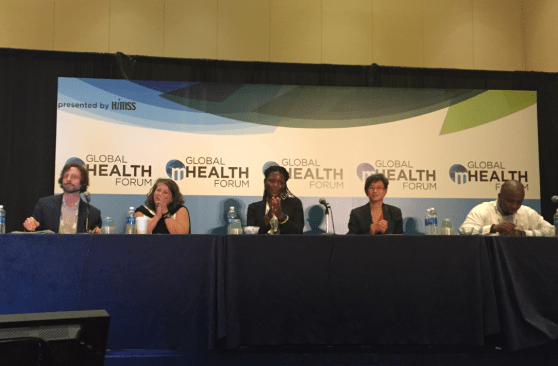
Highlights from the Second Annual Global mHealth Forum

ea58f39d-aea6-4860-ab20-d3f28baa28aeOn November 10-11, mHealth professionals and representatives from NGOs and ministries of health around the world met in Washington, D.C. for the second annual Global mHealth Forum, held in partnership with the Healthcare Information and Management Systems Society (HIMSS) Connected Health Conference and the mHealth Summit. Participants explored emerging trends, discussed strategies, networked with mHealth professionals, and gained tips for designing, implementing, and evaluating successful mHealth initiatives….more

Toward Universal Health Coverage in Africa

dr-moetiHealth is widely considered to be a fundamental human right, yet the sad truth is that far too many people around the world still do not have access to basic health care. Millions of Africans in particular are unable to access or afford the services they need to survive and thrive without incurring financial hardship.  The answer to this problem is clear: universal health coverage (UHC). For too long, the idea of achieving universal health coverage in Africa was perceived as a distant dream. Fortunately, the tide is turning….more
Motsoaledi: We haven’t identified a source of funding for the NHI

Taking part in the National Health Insurance scheme (NHI) is going to be mandatory, not voluntary like belonging to a medical aid, said Health Minister Aaron Motsoaledi at the release of the long-awaited National Health Insurance (NHI) white paper on Friday in Pretoria.

“Population coverage under NHI will ensure that all South Africans have access to comprehensive quality healthcare,” said Motsoaledi. The NHI will be phased in over a period of 14 years which started with 11 pilot districts around the country in 2011….. 1 2 3

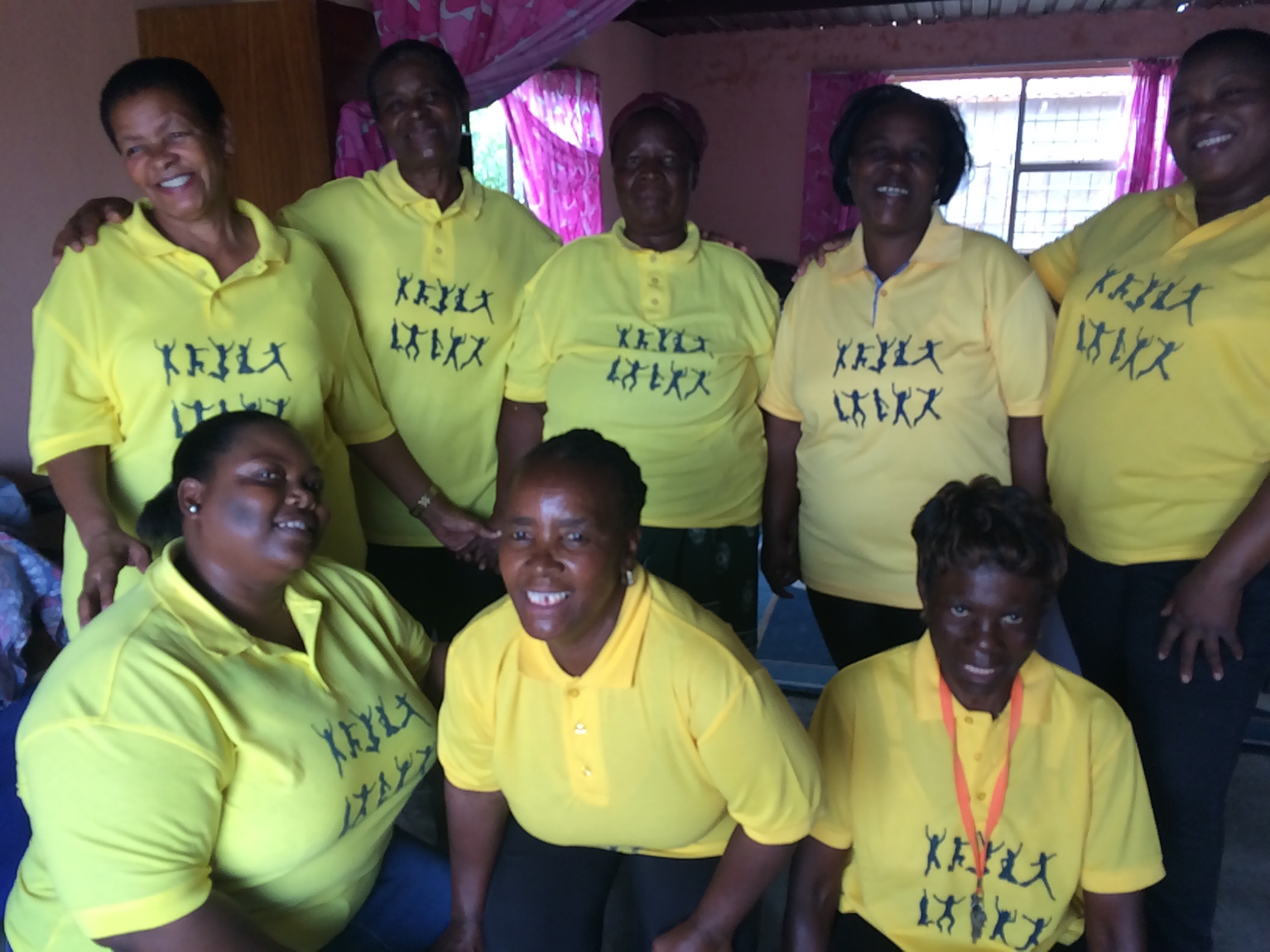
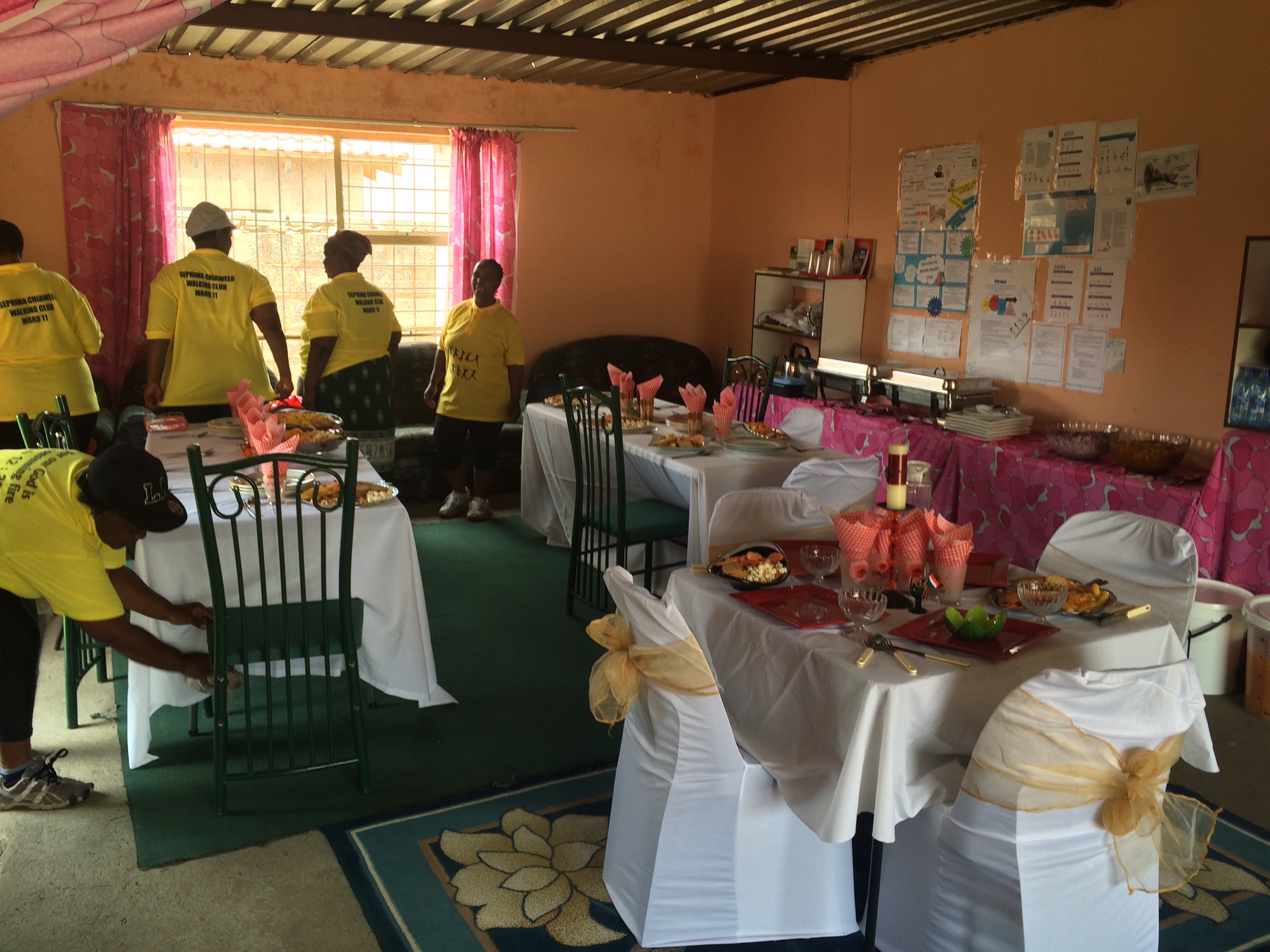
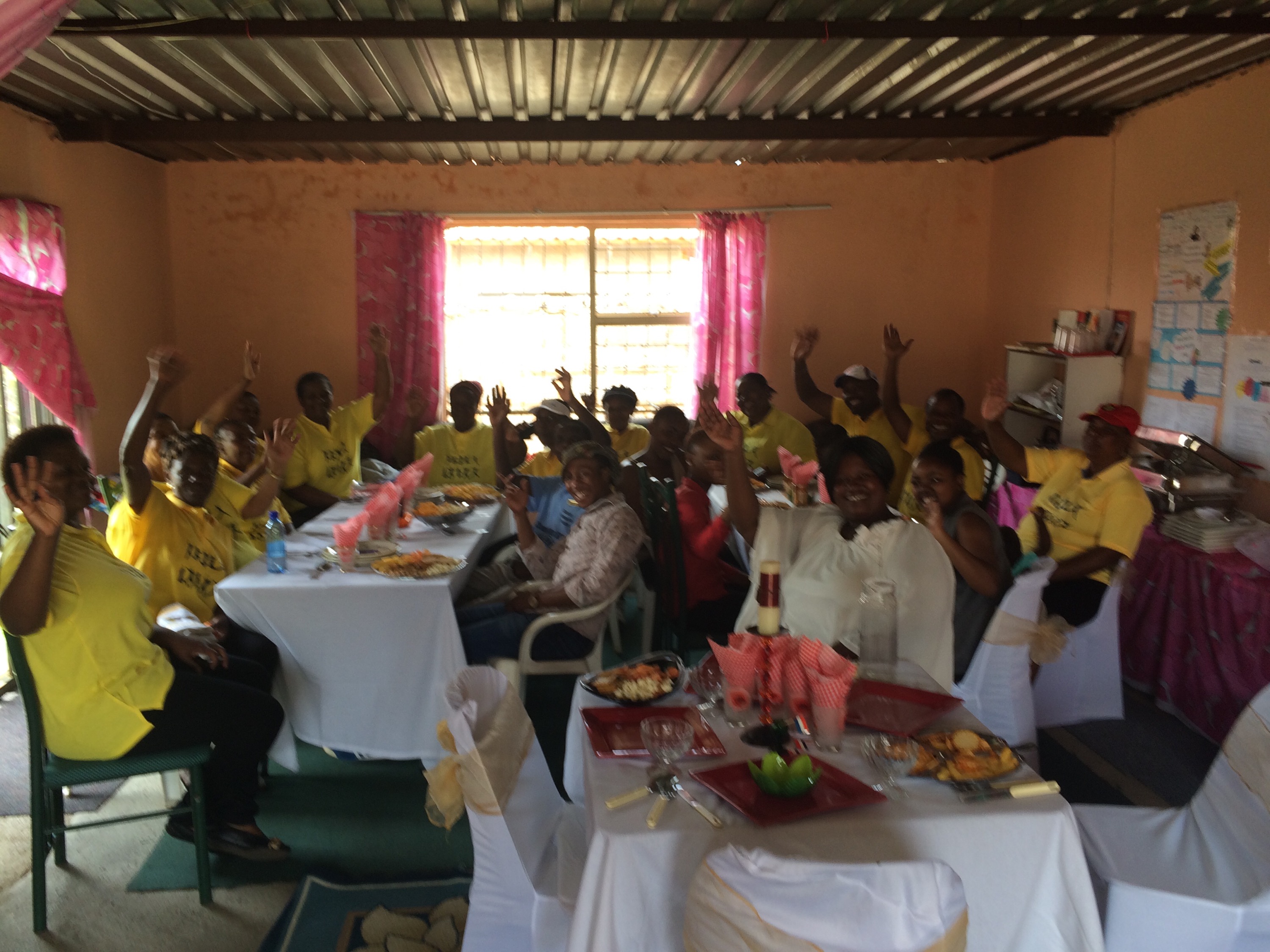
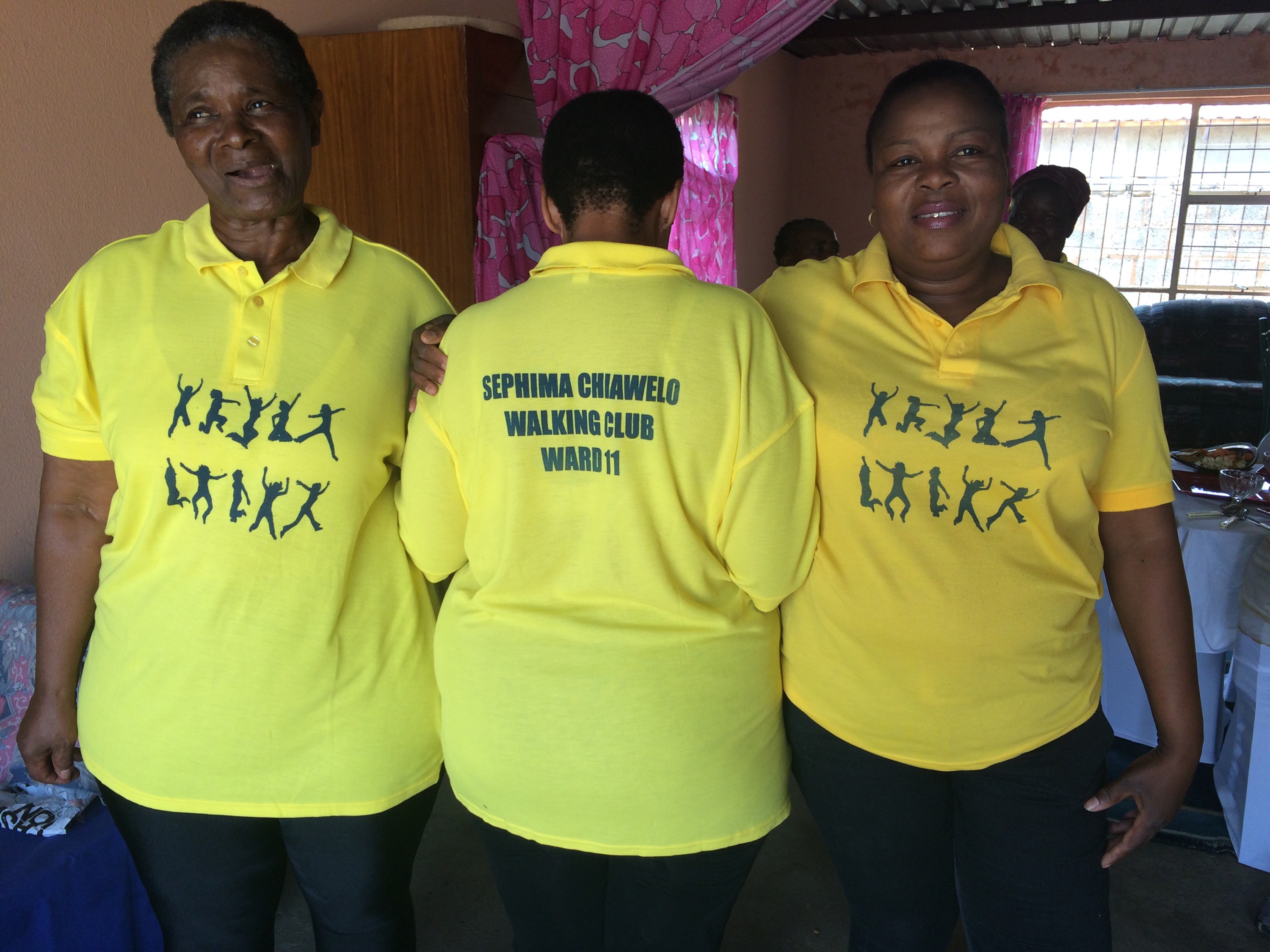
CCP Walking Club celebrates


 One of the strongest walking clubs established in Ward 11, Chiawelo Community Practice, Soweto had a celebration with its 20-30 members as a year end function. The clubs meet daily to do basic stretching, strengthening exercises, walking and then talking. It has become a strong social institution as well as having improved health outcomes – greater stamina and flexibility, less aches and pains! An amazing achievement in less than a year.

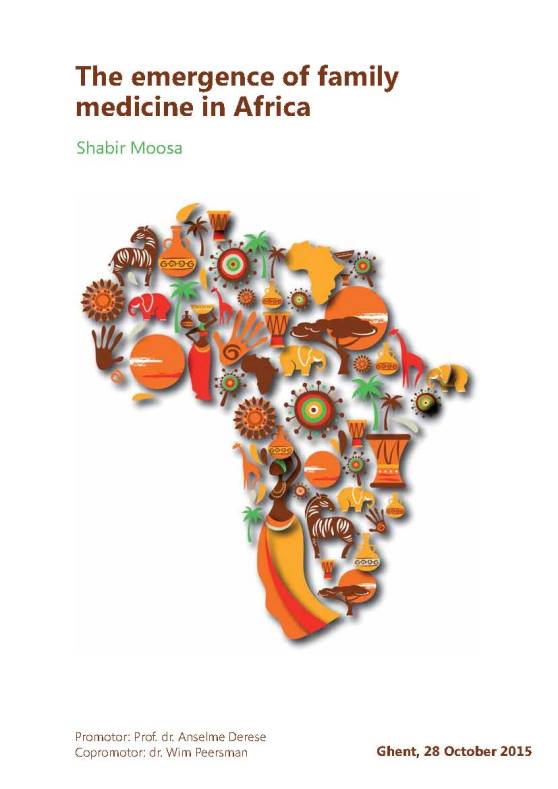
PhD: Emergence of Family Medicine in Africa

Shabir Moosa PhD Emergence FMiA COVERDr. Shabir Moosa, senior clinical lecturer in the Department of Family Medicine in the School of Clinical Medicine was awarded a PhD by Ghent University in Belgium on 28th October 2015. The title of his PhD-thesis was “The emergence of family medicine in Africa”. It consists of five published papers and one submitted for publication.

The overall thesis is cast in the light of reforms recommended by the 2008 World Health Report on Primary Health Care (PHC) on: universal coverage; service delivery; public health in all policies; and government leadership. It explores the challenges with African health systems and human resources, the emerging landscape of national health insurance in South Africa and the prospects for family medicine within that context, given the global movement of family medicine towards teamwork.

The studies were undertaken to understand the emergence of family medicine in Africa: how stakeholders (leaders in sub-Saharan and South Africa and providers at the coalface in Johannesburg, South Africa) view family medicine and the human resource issues; why emigrant healthcare professionals did not take up primary health care posts in Africa; and the views of private general practitioners in groups on engaging National Health Insurance in South Africa.

The results are captured in the various articles but the synthesis presents four main messages:

  1. The growing role of family physicians: growing beyond district hospital and including a leadership role in the district health service.
  2. The impetus to re-organise the PHC system; the involvement of family physicians is seen as opportunity and prerogative to reorganize the health system away from command-and-control organisations to elements of professional organization and complex adaptive systems as in practice form
  3. Human resource issues: doctor leadership with task shifting can address the challenge of skills and staff mix but more robust human resource policy is required for PHC, including organizational units under universal health coverage
  4. Policy implementation challenges: these include ambivalence towards family physicians, requiring astute leadership by family physicians.

The challenge is with family physicians: to explore organizational design with robust team configurations and roles, including the private sector and to advocate for quality in the future of health in Africa.

The five examiners (including an external examiner from Aarhus University in Denmark) provided written assessment and comments, and later engaged Dr. Moosa in an oral internal defense. Once these were accepted Dr. Moosa was invited to a public defense in Ghent University where he presented his thesis, had to field more questions, including the public and then had the ceremony of a capping by the Chair of the examining committee. The PhD-thesis was published as a small book, as is custom in Ghent University and several copies were distributed to colleagues at Wits. A soft copy is available at Dr. Moosa’s website www.drmoosa.co.za

Carbon Trade Watch: Pamabazuka News Special Edition

copWe need to think beyond Paris and to stand in active solidarity with those who are at the frontlines of fighting the climate and environmental criminals. We need to hear what they have been saying for a long time and in different ways. Building radical solidarity with social movements and communities in resistance may be a way forward….more

Primary Health Care 101

Primary Care 101 is a symptom-based integrated clinical management guideline using an algorithmic approach for the management of common symptoms and chronic conditions in adults. The guidelines are intended for use by all health care practitioners working at primary care level in South Africa…..more

Do antenatal care visits always contribute to facility-based delivery in Tanzania? A study of repeated cross-sectional data

Abstract

There is a known high disparity in access to perinatal care services between urban and rural areas in Tanzania. This study analysed repeated cross-sectional (RCS) data from Tanzania to explore the relationship between antenatal care (ANC) visits, facility-based delivery and the reasons for home births in women who had made ANC visits. We used data from RCS Demographic and Health Surveys spanning 20 years and a cluster sample of 30 830 women from 52 districts of Tanzania. The relationship between the number of ANC visits (up to four) and facility delivery in the latest pregnancy was explored. Regional changes in facility delivery and related variables over time in urban and rural areas were analysed using linear mixed models. To explore the disconnect between ANC visits and facility deliveries, reasons for home delivery were analysed. In the analytic model with other regional-level covariates, a higher proportion of ANC (>2–4 visits) and exposure to media related to an increased facility delivery rate in urban areas. For rural women, there was no significant relationship between the number of visits and facility delivery rate. According to the fifth wave result (2009–10), the most frequent reason for home delivery was ‘physical distance to facility’, and a significantly higher proportion of rural women reported that they were ‘not allowed to deliver in facility’. The disconnect between ANC visits and facility delivery in rural areas may be attributable to physical, cultural or familial barriers, and quality of care in health facilities. This suggests that improving access to ANC may not be enough to motivate facility-based delivery, especially in rural areas.

More

Addressing the Socio-Development Needs of Adolescents Living with HIV/AIDS in Nigeria: A Call for Action

Abstract The widespread use of antiretroviral therapy and remarkable success in the treatment of paediatric HIV infection has changed the face of the Human Immunodeficiency Virus (HIV) epidemic in children from a fatal disease to that of a chronic illness. Many children living with HIV are surviving into adolescence. This sub-population of people living with HIV is emerging as a public health challenge and burden in terms of healthcare management and service utilization than previously anticipated. This article provides an overview of the socio-developmental challenges facing adolescents living with HIV especially in a resource-limited setting like Nigeria. These include concerns about their healthy sexuality, safer sex and transition to adulthood, disclosure of their status and potential stigma, challenges faced with daily living, access and adherence to treatment, access to care and support, and clinic transition. Other issues include reality of death and implications for fertility intentions, mental health concerns and neurocognitive development. Coping strategies and needed support for adolescents living with HIV are also discussed, and the implications for policy formulation and programme design and implementation in Nigeria are highlighted.

More

What Do District Health Managers in Ghana Use Their Working Time for? A Case Study of Three Districts

Abstract

Background

Ineffective district health management potentially impacts on health system performance and service delivery. However, little is known about district health managing practices and time allocation in resource-constrained health systems. Therefore, a time use study was conducted in order to understand current time use practices of district health managers in Ghana.

Methods

All 21 district health managers working in three districts of the Eastern Region were included in the study and followed for a period of three months. Daily retrospective interviews about their time use were conducted, covering 1182 person-days of observation. Total time use of the sample population was assessed as well as time use stratified by managerial position. Differences of time use over time were also evaluated.

Results

District health managers used most of their working time for data management (16.6%), attending workshops (12.3%), financial management (8.7%), training of staff (7.1%), drug and supply management (5.0%), and travelling (9.6%). The study found significant variations of time use across the managerial cadres as well as high weekly variations of time use impulsed mainly by a national vertical program.

Conclusions

District health managers in Ghana use substantial amounts of their working time in only few activities and vertical programs greatly influence their time use. Our findings suggest that efficiency gains are possible for district health managers. However, these are unlikely to be achieved without improvements within the general health system, as inefficiencies seem to be largely caused by external factors.

More

Article collections The Many Meanings of ‘Quality’ in Healthcare: Interdisciplinary Perspectives

The Many Meanings of ‘Quality’ in Healthcare: Interdisciplinary Perspectives

Edited by: Dr Deborah Swinglehurst

Collection published: 23 April 2015

More

Exploring corruption in the South African health sector

Abstract

Recent scholarly attention has focused on weak governance and the negative effects of corruption on the provision of health services. Employing agency theory, this article discusses corruption in the South African health sector. We used a combination of research methods and triangulated data from three sources: Auditor-General of South Africa reports for each province covering a 9-year period; 13 semi-structured interviews with health sector key informants and a content analysis of print media reports covering a 3-year period. Findings from the Auditor-General reports showed a worsening trend in audit outcomes with marked variation across the nine provinces. Key-informants indicated that corruption has a negative effect on patient care and the morale of healthcare workers. The majority of the print media reports on corruption concerned the public health sector (63%) and involved provincial health departments (45%). Characteristics and complexity of the public health sector may increase its vulnerability to corruption, but the private-public binary constitutes a false dichotomy as corruption often involves agents from both sectors. Notwithstanding the lack of global validated indicators to measure corruption, our findings suggest that corruption is a problem in the South African healthcare sector. Corruption is influenced by adverse agent selection, lack of mechanisms to detect corruption and a failure to sanction those involved in corrupt activities. We conclude that appropriate legislation is a necessary, but not sufficient intervention to reduce corruption. We propose that mechanisms to reduce corruption must include the political will to run corruption-free health services, effective government to enforce laws, appropriate systems, and citizen involvement and advocacy to hold public officials accountable. Importantly, the institutionalization of a functional bureaucracy and public servants with the right skills, competencies, ethics and value systems and whose interests are aligned with health system goals are critical interventions in the fight against corruption.

More

Evaluating the effectiveness of care integration strategies in different healthcare systems in Latin America: the EQUITY-LA II quasi-experimental study protocol

Abstract

Introduction Although fragmentation in the provision of healthcare is considered an important obstacle to effective care, there is scant evidence on best practices in care coordination in Latin America. The aim is to evaluate the effectiveness of a participatory shared care strategy in improving coordination across care levels and related care quality, in health services networks in six different healthcare systems of Latin America.

Methods and analysis A controlled before and after quasi-experimental study taking a participatory action research approach. In each country, two comparable healthcare networks were selected—intervention and control. The study contains four phases: (1) A baseline study to establish network performance in care coordination and continuity across care levels, using (A) qualitative methods: semi-structured interviews and focus groups with a criterion sample of health managers, professionals and users; and (B) quantitative methods: two questionnaire surveys with samples of 174 primary and secondary care physicians and 392 users with chronic conditions per network. Sample size was calculated to detect a proportion difference of 15% and 10%, before and after intervention (α=0.05; β=0.2 in a two-sided test); (2) a bottom-up participatory design and implementation of shared care strategies involving micro-level care coordination interventions to improve the adequacy of patient referral and information transfer. Strategies are selected through a participatory process by the local steering committee (local policymakers, health care network professionals, managers, users and researchers), supported by appropriate training; (3) Evaluation of the effectiveness of interventions by measuring changes in levels of care coordination and continuity 18 months after implementation, applying the same design as in the baseline study; (4) Cross-country comparative analysis.

Ethics and dissemination This study complies with international and national legal stipulations on ethics. Conditions of the study procedure were approved by each country’s ethical committee. A variety of dissemination activities are implemented addressing the main stakeholders. Registration No.257 Clinical Research Register of the Santa Fe Health Department, Argentina.

More

Does the National Health Insurance Scheme provide financial protection to households in Ghana?

Abstract

Background: Excessive healthcare payments can impede access to health services and also disrupt the welfare of households with no financial protection. Health insurance is expected to offer financial protection against health shocks. Ghana began the implementation of its National Health Insurance Scheme (NHIS) in 2004. The NHIS is aimed at removing the financial barrier to healthcare by limiting direct out-of-pocket health expenditures (OOPHE). The study examines the effect of the NHIS on OOPHE and how it protects households against catastrophic health expenditures.

Methods: Data was obtained from a cross-sectional representative household survey involving 2,430 households from three districts across Ghana. All OOPHE associated with treatment seeking for reported illness in the household in the last 4 weeks preceding the survey were analysed and compared between insured and uninsured persons. The incidence and intensity of catastrophic health expenditures (CHE) among households were measured by the catastrophic health payment method. The relative effect of NHIS on the incidence of CHE in the household was estimated by multiple logistic regression analysis.

Results: About 36% of households reported at least one illness during the 4 weeks period. Insured patients had significantly lower direct OOPHE for out-patient and in-patient care compared to the uninsured. On financial protection, the incidence of CHE was lower among insured households (2.9%) compared to the partially insured (3.7%) and the uninsured (4.0%) at the 40% threshold. The incidence of CHE was however significantly lower among fully insured households (6.0%) which sought healthcare from NHIS accredited health facilities compared to the partially insured (10.1%) and the uninsured households (23.2%). The likelihood of a household incurring CHE was 4.2 times less likely for fully insured and 2.9 times less likely for partially insured households relative to being uninsured. The NHIS has however not completely eliminated OOPHE for the insured and their households.

Conclusion: The NHIS has significant effect in reducing OOPHE and offers financial protection against CHE for insured individuals and their households though they still made some out-of-pocket payments. Efforts should aim at eliminating OOPHE for the insured if the objective for establishing the NHIS is to be achieved.

More

Reasons for home delivery and use of traditional birth attendants in rural Zambia: a qualitative study

Abstract

Background

Despite the policy change stopping traditional birth attendants (TBAs) from conducting deliveries at home and encouraging all women to give birth at the clinic under skilled care, many women still give birth at home and TBAs are essential providers of obstetric care in rural Zambia. The main reasons for pregnant women’s preference for TBAs are not well understood. This qualitative study aimed to identify reasons motivating women to giving birth at home and seek the help of TBAs. This knowledge is important for the design of public health interventions focusing on promoting facility-based skilled birth attendance in Zambia.

Methods

We conducted ten focus group discussions (n = 100) with women of reproductive age (15–45 years) in five health centre catchment areas with the lowest institutional delivery rates in the district. In addition, a total of 30 in-depth interviews were conducted comprising 5 TBAs, 4 headmen, 4 husbands, 4 mothers, 4 neighbourhood health committee (NHC) members, 4 community health workers (CHWs) and 5 nurses. Perspectives on TBAs, the decision-making process regarding home delivery and use of TBAs, and reasons for preference of TBAs and their services were explored.

Results

Our findings show that women’s lack of decision- making autonomy regarding child birth, dependence on the husband and other family members for the final decision, and various physical and socioeconomic barriers including long distances, lack of money for transport and the requirement to bring baby clothes and food while staying at the clinic, prevented them from delivering at a clinic. In addition, socio-cultural norms regarding childbirth, negative attitude towards the quality of services provided at the clinic, made most women deliver at home. Moreover, most women had a positive attitude towards TBAs and perceived them to be respectful, skilled, friendly, trustworthy, and available when they needed them.

Conclusion

Our findings suggest a need to empower women with decision-making skills regarding childbirth and to lower barriers that prevent them from going to the health facility in time. There is also need to improve the quality of existing facility-based delivery services and to strengthen linkages between TBAs and the formal health system.

More

When Frontline Practice Innovations Are Ahead of the Health Policy Community: The Example of Behavioral Health and Primary Care Integration

Abstract

Innovation in health care delivery often far outpaces the speed at which health policy changes to accommodate this innovation. Integrating behavioral health and primary care is a promising approach to defragment health care and help health care achieve the triple aim of decreasing costs, improving outcomes, and enhancing patients’ experiences. However, the problem remains that health policy does not frequently support the integration of care. This commentary describes some of the reasons policy falters as well as potential opportunities to begin to influence health policy to better support practices that take an integrated approach to health care.

More

Explaining the role of the social determinants of health on health inequality in South Africa

ABSTRACT

Background: Action on the social determinants of health (SDH) is relevant for reducing health inequalities. This is particularly the case for South Africa (SA) with its very high level of income inequality and inequalities in health and health outcomes. This paper provides evidence on the key SDH for reducing health inequalities in the country using a framework initially developed by the World Health Organization.

Objective: This paper assesses health inequalities in SA and explains the factors (i.e. SDH and other individual level factors) that account for large disparities in health. The relative contribution of different SDH to health inequality is also assessed.

Design: A cross-sectional design is used. Data come from the third wave of the nationally representative National Income Dynamics Study. A subsample of adults (18 years and older) is used. The main variable of interest is dichotomised good versus bad self-assessed health (SAH). Income-related health inequality is assessed using the standard concentration index (CI). A positive CI means that the rich report better health than the poor. A negative value signifies the opposite. The paper also decomposes the CI to assess its contributing factors.

Results: Good SAH is significantly concentrated among the rich rather than the poor (CI=0.008; p<0.01). Decomposition of this result shows that social protection and employment (contribution=0.012; p<0.01), knowledge and education (0.005; p<0.01), and housing and infrastructure (−0.003; p<0.01) contribute significantly to the disparities in good SAH in SA. After accounting for these other variables, the contribution of income and poverty is negligible.

Conclusions: Addressing health inequalities inter alia requires an increased government commitment in terms of budgetary allocations to key sectors (i.e. employment, social protection, education, housing, and other appropriate infrastructure). Attention should also be paid to equity in benefits from government expenditure. In addition, the health sector needs to play its role in providing a broad range of health services to reduce the burden of disease.

More

WONCA E-update 27 NOVEMBER 2015

WONCA E-Update

Friday 27th November 2015

WONCA News – November 2015

The latest WONCA News is available via the WONCA website.  This month’s edition is even more packed with WONCA news, views and events.

WONCA Annual Report

The latest WONCA Annual Report, covering the period from July 2014 to June 2015, has now been published.  It’s available on line on the WONCA website and everyone is encouraged to read of the activities which have taken place throughout the year.

Report from recent WONCA Executive meeting in Istanbul

Our CEO, Dr Garth Manning, reports in his column this month on the recent Executive meeting held in Istanbul just prior to the WONCA Europe conference.  Read more about the issues discussed, the decisions made and the new Member Organizations admitted to the WONCA family.

WHO call to protect health from climate change

The climate change negotiations (COP-21) will take place soon in Paris.  WHO asks as many as possible to sign the WHO Call to Action on health and climate change and encourage your wider networks, friends, colleagues and other organizations to also sign. 

Climate change has the potential to do serious harm to the health of individuals around the world. But tackling climate change could substantially reduce the risks while also improving human health by, for example, delivering cleaner air and healthier cities.  That’s why WHO is asking you to support the call to action, with the aim at raising awareness of the health opportunities we can realise by tackling climate change now.

More WONCA Conference updates

The latest updates on conferences and deadlines:


Publish Open Access with reduced, or even no, article publishing charges on Taylor & Francis journals for researchers in EIFL network countries

Researchers based in 45 countries are now able to publish open access (OA) in many Taylor & Francis and Routledge fully OA journals using greatly reduced and, in many cases, no article publishing charge (APC).

As part of a growing commitment to support open access publishing in emerging countries, we have been working with EIFL (Electronic Information for Libraries) to introduce a 12 month agreement which enables researchers to publish OA in 66 journals with a discounted, or even no, APC.

This discount or waiver applies to fully OA journals ranging across disciplines, including the sciences, social sciences and humanities, and is open to 45 EIFL network countries, with the aim of making publishing OA accessible for researchers in countries with developing or transition economies.

To take advantage of the reduced, or even waived, APC, researchers can check which countries are included, which Taylor & Francis journals are participating, and the relevant EIFL article publishing charge at http://authorservices.taylorandfrancis.com/eifl-open-access-agreement/. There are also step-by-step instructions on how to submit your paper under the EIFL OA agreement.

Find out more about publishing OA with Taylor & Francis with our OA basics factsheet: http://authorservices.taylorandfrancis.com/wp-content/uploads/2015/11/Publishing-open-access-the-basics.pdf.

Best wishes,

Elaine

Elaine Devine, Senior Communications Manager (Author Relations)

Taylor & Francis Group – www.tandfonline.com