What is an evidence map? A systematic review of published evidence maps and their definitions, methods, and products

CITATION: Syst Rev. 2016 Feb 10;5(1):28. doi: 10.1186/s13643-016-0204-x.

What is an evidence map? A systematic review of published evidence maps and their definitions, methods, and products.

Miake-Lye IM, Hempel S, Shanman R, Shekelle PG.

Abstract

BACKGROUND: The need for systematic methods for reviewing evidence is continuously increasing. Evidence mapping is one emerging method. There are no authoritative recommendations for what constitutes an evidence map or what methods should be used, and anecdotal evidence suggests heterogeneity in both. Our objectives are to identify published evidence maps and to compare and contrast the presented definitions of evidence mapping, the domains used to classify data in evidence maps, and the form the evidence map takes.

METHODS: We conducted a systematic review of publications that presented results with a process termed “evidence mapping” or included a figure called an “evidence map.” We identified publications from searches of ten databases through 8/21/2015, reference mining, and consulting topic experts. We abstracted the research question, the unit of analysis, the search methods and search period covered, and the country of origin. Data were narratively synthesized.

RESULTS:

Thirty-nine publications met inclusion criteria. Published evidence maps varied in their definition and the form of the evidence map. Of the 31 definitions provided, 67 % described the purpose as identification of gaps and 58 % referenced a stakeholder engagement process or user-friendly product. All evidence maps explicitly used a systematic approach to evidence synthesis. Twenty-six publications referred to a figure or table explicitly called an “evidence map,” eight referred to an online database as the evidence map, and five stated they used a mapping methodology but did not present a visual depiction of the evidence.

CONCLUSIONS:

The principal conclusion of our evaluation of studies that call themselves “evidence maps” is that the implied definition of what constitutes an evidence map is a systematic search of a broad field to identify gaps in knowledge and/or future research needs that presents results in a user-friendly format, often a visual figure or graph, or a searchable database. Foundational work is needed to better standardize the methods and products of an evidence map so that researchers and policymakers will know what to expect of this new type of evidence review.

Let’s build a future where people are no longer dying for lack of healthcare knowledge – Join HIFA: www.hifa2015.org  

Uptake of evidence in policy development: the case of user fees for health care in public health facilities in Uganda.

CITATION: BMC Health Serv Res. 2014 Dec 18;14:639. doi: 10.1186/s12913-014-0639-5.

Uptake of evidence in policy development: the case of user fees for health care in public health facilities in Uganda.

Nabyonga-Orem J, Ssengooba F, Mijumbi R, Tashobya CK, Marchal B, Criel B.

http://bmchealthservres.biomedcentral.com/articles/10.1186/s12913-014-0639-5

Abstract

BACKGROUND: Several countries in Sub Saharan Africa have abolished user fees for health care but the extent to which such a policy decision is guided by evidence needs further exploration. We explored the barriers and facilitating factors to uptake of evidence in the process of user fee abolition in Uganda and how the context and stakeholders involved shaped the uptake of evidence. This study builds on previous work in Uganda that led to the development of a middle range theory (MRT) outlining the main facilitating factors for knowledge translation (KT). Application of the MRT to the case of abolition of user fees contributes to its refining.

METHODS: Employing a theory-driven inquiry and case study approach given the need for in-depth investigation, we reviewed documents and conducted interviews with 32 purposefully selected key informants. We assessed whether evidence was available, had or had not been considered in policy development and the reasons why and; assessed how the actors and the context shaped the uptake of evidence.

RESULTS: Symbolic, conceptual and instrumental uses of evidence were manifest. Different actors were influenced by different types of evidence. While technocrats in the ministry of health (MoH) relied on formal research, politicians relied on community complaints. The capacity of the MoH to lead the KT process was weak and the partnerships for KT were informal. The political window and alignment of the evidence with overall government discourse enhanced uptake of evidence. Stakeholders were divided, seemed to be polarized for various reasons and had varying levels of support and influence impacting the uptake of evidence.

CONCLUSION: Evidence will be taken up in policy development in instances where the MoH leads the KT process, there are partnerships for KT in place, and the overall government policy and the political situation can be expected to play a role. Different actors will be influenced by different types of evidence and their level of support and influence will impact the uptake of evidence. In addition, the extent to which a policy issue is contested and, whether stakeholders share similar opinions and preferences will impact the uptake of evidence.

Let’s build a future where people are no longer dying for lack of healthcare knowledge – Join HIFA: www.hifa2015.org
New Lancet Series: Breastfeeding

New Lancet Series: Breastfeeding

The Lancet, Published: January 28, 2016

http://www.lancet.com/series/breastfeeding

“With a substantial development of research and findings for breastfeeding over the past three decades, we are now able to expand on the health benefits for both women and chidren across the globe. The two papers in this Series will describe past and current global trends of breastfeeding, its short and long-term health consequences for the mother and child, the impact of investment in breastfeeding, and the determinants of breastfeeding and the effectiveness of promotion interventions.”

The web page above includes an audio podcast where Cesar Victora discusses new data highlighting the health benefits and promotion priorities for breastfeeding worldwide. Cesar was one of the authors of a game-changing 1987 Lancet paper that showed the benefits of exclusive breastfeeding. Since then breastfeeding has been shown to have benefits for children not only in infancy but also for their lifetime, and benefits for mothers too (including reduced risk of breast and ovarian cancer). Breast milk has been described as ‘exquisite, personalised medicine’ – something that could never be imitated by formula feeding. The 50 researchers prepared 28 meta-analyses over 2 years for the current Series. Breasfeeding is more prevalent in LMICs than in HICs and is increasing, currently about 40% in LMICs. The figures show that infants who have exclusive breastfeeding in the first 6 months has ‘seven times lower mortality than one not [exclusively] breastfed’. How better to promote breastfeeding? “It is a societal issue not an individual mother issue.” Infant formula companies continue to make things difficult by providing free samples to mothers. Need more supportive work environments and more support/understanding from health workers. The authors call for action: Everybody needs breast milk and we should do more to promote it. More funding is needed. “We want to put breasfeeding back near the top of the health agenda.”

One of the papers in the series ‘Why invest, and what it will take to improve breastfeeding practices?’ has the following key messages:

– The world is still not a supportive and enabling environment for most women who want to breastfeed.

– Countries can rapidly improve breastfeeding practices by scaling up known interventions, policies, and programmes.

– Success in breastfeeding is not the sole responsibility of a woman — the promotion of breastfeeding is a collective societal responsibility.

– The breastmilk substitute industry is large and growing, and its marketing undermines efforts to improve breastfeeding.

– The health and economic costs of suboptimal breastfeeding are largely unrecognised. Investments to promote breastfeeding, in both rich and poor settings, need to be measured against the cost of not doing so.

– Political support and financial investment are needed to protect, promote, and support breastfeeding to realise its advantages to children, women, and society.

Best wishes, Neil

Let’s build a future where people are no longer dying for lack of healthcare knowledge – Join HIFA: www.hifa2015.org

New free e-learning course on Palliative Care in India

ecancer has just launched a new 20 module e-learning course which covers all aspects of palliative care, particularly relating to India.  The course includes symptom management, paediatric care, malignant and non-malignant disease, pain management, psychosocial care and communication and counselling skills.

These modules have been developed in association with the Bangalore Hospice Trust – Karunashraya and Cardiff Palliative Care Education and aree all free to use.  Access them here http://ecancer.org/education/course/16-palliative-care-e-learning-course-for-healthcare-professionals-in-india.php

HIFA profile: Katie Foxall is Head of Publishing at eCancer, Bristol, UK. katie AT ecancer.org

NPR: Can A Bath Of Milk And Honey Replace Female Genital Mutilation?

Below are extracts of an article on the NPR (National Public Radio, US) website. Substitution of female genital mutilation with non-harmful rituals looks to be increasingly successful. It is notable that traditional cutters are also willingly involved. It’s clearly also important that national health policies are supportive of such efforts.

http://www.npr.org/sections/goatsandsoda/2016/02/23/467687101/can-a-bath-of-milk-and-honey-replace-female-genital-mutilation

‘The new traditions are taking hold in Maasai and Samburu communities in Kenya and Tanzania. After two or three days of preparatory sessions for the girls, the celebration culminates with communal singing and dancing and blessings by the village elders, who pour a mixture of milk and honey and water over the heads of the girls…

‘And at the center of the celebration are the girls themselves. During the two to three days preceding the celebration, participating girls in the alternative rites of passage are secluded, in a school dormitory or village hut, where they learn about womanhood: lessons which now include sex education, information about STDs and violence against women, and presentations emphasizing the importance of continuing education for girls’ and women’s rights. The traditional cutters who had in the past performed the cut also are usually present, discussing their role in the past — and explaining the health reasons for abandoning the practice. “They will say, ‘We did this because we believed in it, but now we want to encourage girls to go back to school,’ ” says Leng’ete.

‘… It can take six months or more of meetings before a community agrees to abandon FGM and accept alternative rites.’

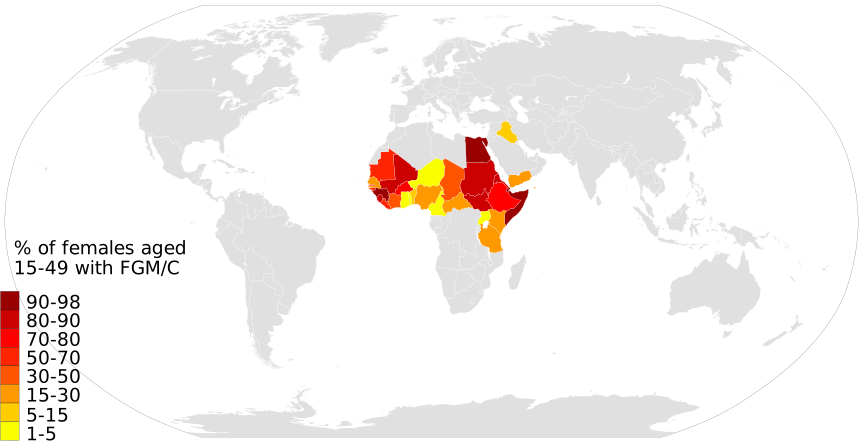
Wikipedia indicates 5 countries with an especially high prevalence: Egypt, Guinea, Mali, Somalia, Sudan. FGM is prohibited by law in Egypt, Guinea and Sudan, but clearly there is a failure of implementation, while Somalia and Mali appear not to have yet banned the practice.

https://upload.wikimedia.org/wikipedia/commons/e/eb/2013_Female_Genital_Mutilation_Cutting_Circumcision_FGM_World_Map_UNICEF.SVG

According to the UNFPA website, it seems FGM is prohibited in fewer than half (23/48) of sub-Saharan African countries.

http://www.unfpa.org/resources/female-genital-mutilation-fgm-frequently-asked-questions#banned_by_law

UNFPA describes FGM as ‘a cultural rather than a religious practice. In fact, many religious leaders have denounced it.’ http://www.unfpa.org/resources/female-genital-mutilation-fgm-frequently-asked-questions#religions

It would be interesting to learn more about health policymaking in different countries on this issue. Who are the main stakeholders that seek to maintain the status quo, and how do they have such influence?

Best wishes, Neil

Let’s build a future where people are no longer dying for lack of healthcare knowledge – Join HIFA: www.hifa2015.org  

Malaria Journal: Factors affecting adherence to national malaria treatment guidelines among public healthcare workers in Uganda

CITATION: Factors affecting adherence to national malaria treatment guidelines in management of malaria among public healthcare workers in Kamuli District, Uganda.

Malaria Journal 2016; 15:112. DOI: 10.1186/s12936-016-1153-5

http://malariajournal.biomedcentral.com/articles/10.1186/s12936-016-1153-5

ABSTRACT

Background: Malaria remains a major public health threat accounting for 30.4 % of disease morbidity in outpatient clinic visits across all age groups in Uganda. Consequently, malaria control remains a major public health priority in endemic countries such as Uganda. Experiences from other countries in Africa that revised their malaria case management suggest that health workers adherence may be problematic.

Methods: A descriptive, cross-sectional design was used and collected information on health system, health workers and patients. Using log-binomial regression model, adjusted prevalence risk ratios (PRRs) and their associated 95 % confidence intervals were determined in line with adherence to new treatment guidelines of parasitological diagnosis and prompt treatment with artemisinin combination therapy (ACT).

Results: Nine health centres, 24 health workers and 240 patient consultations were evaluated. Overall adherence to national malaria treatment guidelines (NMTG) was 50.6 % (122/241). It was significantly high at HC III [115 (53 %)] than at HC IV (29 %) [PRR = 0.28 (95 % CI 0.148 0.52), p = 0.000]. Compared to the nursing aide, the adherence level was 1.57 times higher among enrolled nurses (p = 0.004) and 1.68 times higher among nursing officers, p = 0.238, with statistical significance among the former. No attendance of facility malaria-specific continuing medical education (CME) sessions [PRR = 1.9 (95 % CI 1.29 2.78), p = 0.001] and no display of malaria treatment job aides in consultation rooms [PRR = 0.64 (95 % CI 0.4 1.03), p = 0.07] was associated with increased adherence to guidelines with the former showing a statistical significance and the association of the latter borderline statistical significance. The adherence was higher when the laboratory was functional [PRR = 0.47 (95 % CI 0.35 0.63)] when the laboratory was functional in previous 6 months. Age of health worker, duration of employment, supervision, educational level, and age of patient were found not associated with adherence to new treatment guidelines.

Conclusion: Adherence to malaria treatment guidelines in Uganda is sub-optimal. There is an urgent need for deliberate interventions to improve adherence to these guidelines. Possible interventions to be explored should include: provision of job aides and improved access to laboratory services. There is also a need for continuous medical educational sessions for health workers, especially those at higher-level facilities and higher cadres, on adherence to guidelines in management of fever, including management of other causes of fever.

Let’s build a future where people are no longer dying for lack of healthcare knowledge – Join HIFA: www.hifa2015.org  

BBC: Ebola still “devastates” survivors

More than 17,000 people in West Africa have survived Ebola infection.  The evidence, being presented at the annual meeting of the Academy of Neurology, is an early glimpse at a much wider study of long-term health problems after Ebola. The initial analysis, on 82 survivors, showed most had had severe neurological problems at the height of the infection, including meningitis, hallucinations or falling into a coma. Six months later, new long-term problems had developed.  About two-thirds had body weakness, while regular headaches, depressive symptoms and memory loss were found in half of patients. Two of the patients had been actively suicidal at the time of the assessment.

Dr Lauren Bowen, from the National Institute of Neurological Disorders and Stroke, told the BBC: “It was pretty striking, this is a young population of patients, and we wouldn’t expect to have seen these sorts of problems. “When people had memory loss, it tended to affect their daily living, with some feeling they couldn’t return to school or normal jobs, some had terrible sleeping problems. Ebola hasn’t gone away for these people.”

http://www.bbc.com/news/health-35652095

Private care exposed as costly, insensitive

skinculture4-300x169After a week of public hearings into private healthcare, medical aids came out looking insensitive, while fees charged by hospitals and specialists were also hammered. A man mortgages his house to pay his hospital bill after a heart attack, although his medical aid is supposed to pay the entire bill. Another waits 18 months for medical aid approval for a life-saving procedure and only gets it after his specialist lodges a complaint. Cancer patients’ benefits run out in the middle of chemotherapy, yet if they’re hospitalised for cancer-related complications, this will be paid for….more

Erectile dysfunction not just for those ‘silver foxes’

fatherhood-300x178Erectile dysfunction is not just for older men. While studies show that even younger men battle the condition, most men may not be ready to talk about it.  Vusani Mudau, 34, says he has struggled with erectile dysfunction (ED) since he was a teenager. “I was doing my grade 12 and I realised that my penis did not function or get hard as it was supposed to,” he said. “I was too ashamed to tell my parents or even my peers. I really feared that they would laugh at me.” “I kept my ED secret for years, but it got worse when I got to tertiary,” he tells OurHealth. “My peers used to brag about how they were enjoying their sex lives…..more
The Big Chill: Health post freeze threatens services

school-health-300x147Facing a R9-billion shortfall just to meet salary demands, provincial health departments are freezing posts. Whether couched openly in memos or hidden between the lines of spiralling bureaucracy, staff freezes may be South Africa’s most significant threat to healthcare….more

Motsoaledi does not want NHI to limit choices

SOUTH African Health Minister Aaron Motsoaledi has distanced himself from a controversial proposal in the White Paper on National Health Insurance (NHI) to slash the benefits offered by medical schemes, saying the state should not limit patients’ choices. He has also dismissed the paper’s cost projections, saying NHI is a long term-project that should be financed on a programme-by-programme basis….more

What you need to know about Zika virus

zikahomepage3With global infection rates of the Zika virus increasing rapidly, physicians should be prepared to handle possible cases of the virus and answer patients’ questions. No locally transmitted Zika virus cases have been reported in the continental United States, but cases have been confirmed in returning travelers. The AMA intends to update this resource center regularly to provide information to the public, physicians and other health care workers as they seek to learn more…more

Int J Qual Health Care: Guide to Clinical Practice Guidelines: The Current State of Play

‘Internationally, over the past decade in particular, an industry seems to have developed around CPG development, reporting, adoption, contextualization or adaptation, evaluation and implementation. The growing volume of evidence and the acronyms used in this field can be overwhelming, even for those involved.’

The paper below aims to ‘provide a guide describing common standards, methods and systems used in current international CPG activities and the various activities to produce and communicate them’. I have invited the authors to join us so that we can learn from their experience and expertise.

CITATION: Int J Qual Health Care. 2016 Jan 20. pii: mzv115

Guide to Clinical Practice Guidelines: The Current State of Play.

Kredo T, Bernhardsson S, Machingaidze S, Young T, Louw Q, Ochodo E, Grimmer K.

Full text: http://intqhc.oxfordjournals.org/content/early/2016/01/20/intqhc.mzv115.long

Author contact: tamara.kredo@mrc.ac.za

ABSTRACT

INTRODUCTION: Extensive research has been undertaken over the last 30 years on the methods underpinning clinical practice guidelines (CPGs), including their development, updating, reporting, tailoring for specific purposes, implementation and evaluation. This has resulted in an increasing number of terms, tools and acronyms. Over time, CPGs have shifted from opinion-based to evidence-informed, including increasingly sophisticated methodologies and implementation strategies, and thus keeping abreast of evolution in this field of research can be challenging.

METHODS: This article collates findings from an extensive document search, to provide a guide describing standards, methods and systems reported in the current CPG methodology and implementation literature. This guide is targeted at those working in health care quality and safety and responsible for either commissioning, researching or delivering health care. It is presented in a way that can be updated as the field expands.

CONCLUSION: CPG development and implementation have attracted the most international interest and activity, whilst CPG updating, adopting (with or without contextualization), adapting and impact evaluation are less well addressed.

Let’s build a future where people are no longer dying for lack of healthcare knowledge – Join HIFA: www.hifa2015.org

Surg Res Pract: Knowledge, Practice, and Associated Factors towards Prevention of Surgical Site Infection among Nurses in Ethiopia

Previous research has suggested high rates of healthcare associated infections in Africa. This study from Ethiopia is a rare example that looks at knowledge and practice.

CITATION: Surg Res Pract. 2015;2015:736175. doi: 10.1155/2015/736175. Epub 2015 Dec 15.

Knowledge, Practice, and Associated Factors towards Prevention of Surgical Site Infection among Nurses Working in Amhara Regional State Referral Hospitals, Northwest Ethiopia.

Teshager FA, Engeda EH, Worku WZ.

Full text: http://www.ncbi.nlm.nih.gov/pmc/articles/PMC4693022/

Contact: Eshetu Haileselassie Engeda: Email: moc.liamg@341tehse

ABSTRACT

Knowledge and practice of nurses about surgical site infections (SSIs) are not well studied in Ethiopia. This paper contains findings about Northwest Ethiopian nurses’ knowledge and practice regarding the prevention of SSIs. The main objective of the study was to assess knowledge, practice, and associated factors of nurses towards the prevention of SSIs. The study was done using a questionnaire survey on randomly selected 423 nurses who were working in referral hospitals during the study period. The study showed that more than half of the nurses who participated in the survey had inadequate knowledge about the prevention of SSIs. Moreover, more than half of them were practicing inappropriately. The most important associated factors include lack of training on evidence based guidelines and sociodemographic variables (age, year of service, educational status, etc.). Training of nurses with the up-to-date SSIs guidelines is recommended.

Let’s build a future where people are no longer dying for lack of healthcare knowledge – Join HIFA: www.hifa2015.org

J Med Internet Res: Providing Doctors With High-Quality Information – An Updated Evaluation of Web-Based Point-of-Care Information Summaries

CITATION: J Med Internet Res. 2016 Jan 19;18(1):e15. doi: 10.2196/jmir.5234.

Providing Doctors With High-Quality Information: An Updated Evaluation of Web-Based Point-of-Care Information Summaries.

Kwag KH, González-Lorenzo M, Banzi R, Bonovas S, Moja L.

Abstract

BACKGROUND: The complexity of modern practice requires health professionals to be active information-seekers.

OBJECTIVE: Our aim was to review the quality and progress of point-of-care information summaries-Web-based medical compendia that are specifically designed to deliver pre-digested, rapidly accessible, comprehensive, and periodically updated information to health care providers. We aimed to evaluate product claims of being evidence-based.

METHODS: We updated our previous evaluations by searching Medline, Google, librarian association websites, and conference proceedings from August 2012 to December 2014. We included Web-based, regularly updated point-of-care information summaries with claims of being evidence-based. We extracted data on the general characteristics and content presentation of products, and we quantitatively assessed their breadth of disease coverage, editorial quality, and evidence-based methodology. We assessed potential relationships between these dimensions and compared them with our 2008 assessment.

RESULTS: We screened 58 products; 26 met our inclusion criteria. Nearly a quarter (6/26, 23%) were newly identified in 2014. We accessed and analyzed 23 products for content presentation and quantitative dimensions. Most summaries were developed by major publishers in the United States and the United Kingdom; no products derived from low- and middle-income countries. The main target audience remained physicians, although nurses and physiotherapists were increasingly represented. Best Practice, Dynamed, and UptoDate scored the highest across all dimensions. The majority of products did not excel across all dimensions: we found only a moderate positive correlation between editorial quality and evidence-based methodology (r=.41, P=.0496). However, all dimensions improved from 2008: editorial quality (P=.01), evidence-based methodology (P=.015), and volume of diseases and medical conditions (P<.001).

CONCLUSIONS: Medical and scientific publishers are investing substantial resources towards the development and maintenance of point-of-care summaries. The number of these products has increased since 2008 along with their quality. Best Practice, Dynamed, and UptoDate scored the highest across all dimensions, while others that were marketed as evidence-based were less reliable. Individuals and institutions should regularly assess the value of point-of-care summaries as their quality changes rapidly over time.

Best wishes, Neil

Let’s build a future where people are no longer dying for lack of healthcare knowledge – Join HIFA: www.hifa2015.org

Gogos step up for peace of mind

Depression among the elderly is largely overlooked, but exercise can help to counter it.  Left! Clap! Right! Clap!” shouts a young woman dressed in an orange tracksuit. She stands in front of about 30 women, who follow her movements obediently to a regular beat, stepping from side to side with a chorus of echoing claps. “Now go down low!” calls the instructor over the noise in the cramped room. Giggling erupts as some women playfully protest. The instructor, a physiotherapy student at the University of the Witwatersrand, smiles broadly and says: “You’re old but you’re not dead! Come on!” ….more

Health department should focus on internal efficiency rather than NHI

nhihealthwebTHE government’s release on December 11 of the long-awaited white paper on National Health Insurance (NHI) was eagerly anticipated, but the event was largely overshadowed by the condemnation of President Jacob Zuma’s axing of Nhlanhla Nene as finance minister in the same week. Subsequent to the hasty reappointment of Pravin Gordhan as finance minister in a bid to stem the rand’s horrifying free fall, the rand has remained weaker than it was before, share values are also still lower and international ratings agencies have been moved to put out negative ratings watches on SA….more
Understanding Diabetes – the Basics

Diabetes, the most common disorder of the endocrine (hormone) system, occurs when blood sugar levels in the body consistently stay above normal. It affects more than 25 million people in the U.S. alone. Diabetes is a disease brought on by either the body’s inability to makeinsulin (type 1 diabetes) or by the body not responding to the effects ofinsulin (type 2 diabetes). It can also appear during pregnancy. Insulin is one of the main hormones that regulates blood sugar levels and allows the body to use sugar (called glucose) for energy. Talk with your doctor about the different types of diabetes and your risk for this disease…..more and wider search

NHI financing impossible in current economic climate

The National Health Insurance (NHI) will never come into being unless South Africa’s economy grows by 3.5% on average each year‚ AfriBusiness says…..more

Community health workers demand more pay

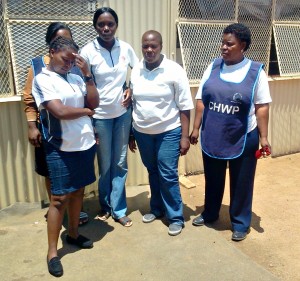
tshilidzi-tuwani-chw-tshwane-300x281Hundreds of Gauteng community health workers recently protested outside Gauteng Department of Health offices to demand stipend increases, annual leave and permanent employment……more