The western financial crisis of 2007-8 was the worst since 1931, yet its immediate repercussions were surprisingly modest. The crisis challenged the foundation stones of the long-dominant neoliberal ideology but it seemed to emerge largely unscathed. The banks were bailed out; hardly any bankers on either side of the Atlantic were prosecuted for their crimes; and the price of their behaviour was duly paid by the taxpayer. Subsequent economic policy, especially in the Anglo-Saxon world, has relied overwhelmingly on monetary policy, especially quantitative easing. It has failed. The western economy has stagnated and is now approaching its lost decade, with no end in sight.
After almost nine years, we are finally beginning to reap the political whirlwind of the financial crisis. But how did neoliberalism manage to survive virtually unscathed for so long? Although it failed the test of the real world, bequeathing the worst economic disaster for seven decades, politically and intellectually it remained the only show in town. Parties of the right, centre and left had all bought into its philosophy, New Labour a classic in point. They knew no other way of thinking or doing: it had become the common sense. It was, as Antonio Gramsci put it, hegemonic. But that hegemony cannot and will not survive the test of the real world. …..more
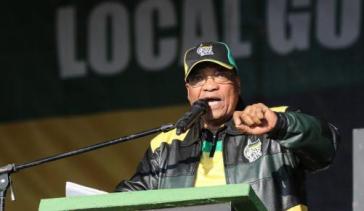 For as long as the ANC rides the wave of materialism they will deserve the curse and the wrath of the youth in the 2019 election, writes Xolela Mangcu.
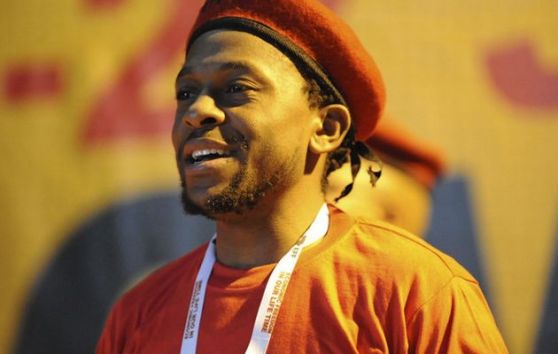 The African National Congress (ANC) is on the ropes because of the Economic Freedom Fighters (EFF). That’s according to EFF national spokesperson Mbuyiseni Ndlozi.
 As the Fees Commission takes public submissions on the feasibility of free higher education‚ the idea that online universities could play a role is starting to gain traction‚ with a ground breaking Johannesburg programme already notching up some impressive early results. One of the submissions presented by the University of the Witwatersrand graduate Ntokozo Mahlangu at the Fees Commission in Pretoria on Wednesday was the use online universities to eliminate many of the hurdles poor students face in their pursuit of tertiary education…..
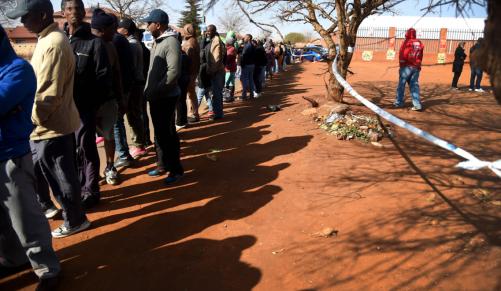 What our local government elections proved last week was that democracy in South Africa is stronger than ever, and it is something South Africans should be very proud of.
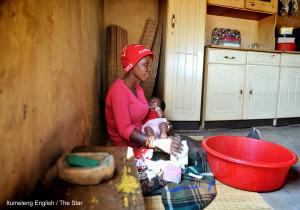 Mpumalanga recently welcomed its first provincial People’s Health Assembly as the Treatment Action Campaign (TAC) and others continue to bemoan staff shortages. Nurse Hlophe says she waited more than six hours for an ambulance when she went into labour. Her mother delivered the baby at home. Sfiso Nkala is a community organiser for the public interest law organisation
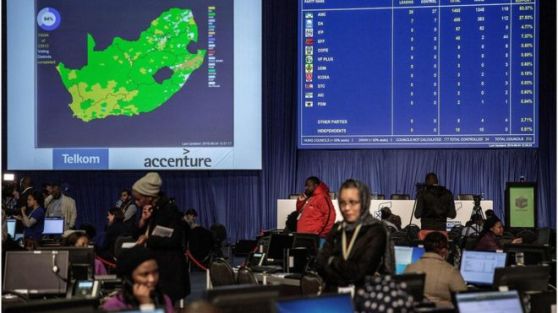 South Africa’s governing African National Congress (ANC) looks to be facing its biggest electoral setback since the end of apartheid, after the partial results of municipal elections. With 85% of the votes in, the ANC trails its main rival, the Democratic Alliance, in the cities of Port Elizabeth and Cape Town. The two parties are in a close fight in Johannesburg and Pretoria. But the ANC is still in the lead nationally. Unemployment and corruption scandals surrounding President Jacob Zuma have tarnished the ANC’s image….
 It protects the health of mother and baby, increases intelligence, and reduces behavioural problems among children.
 AfroPHC