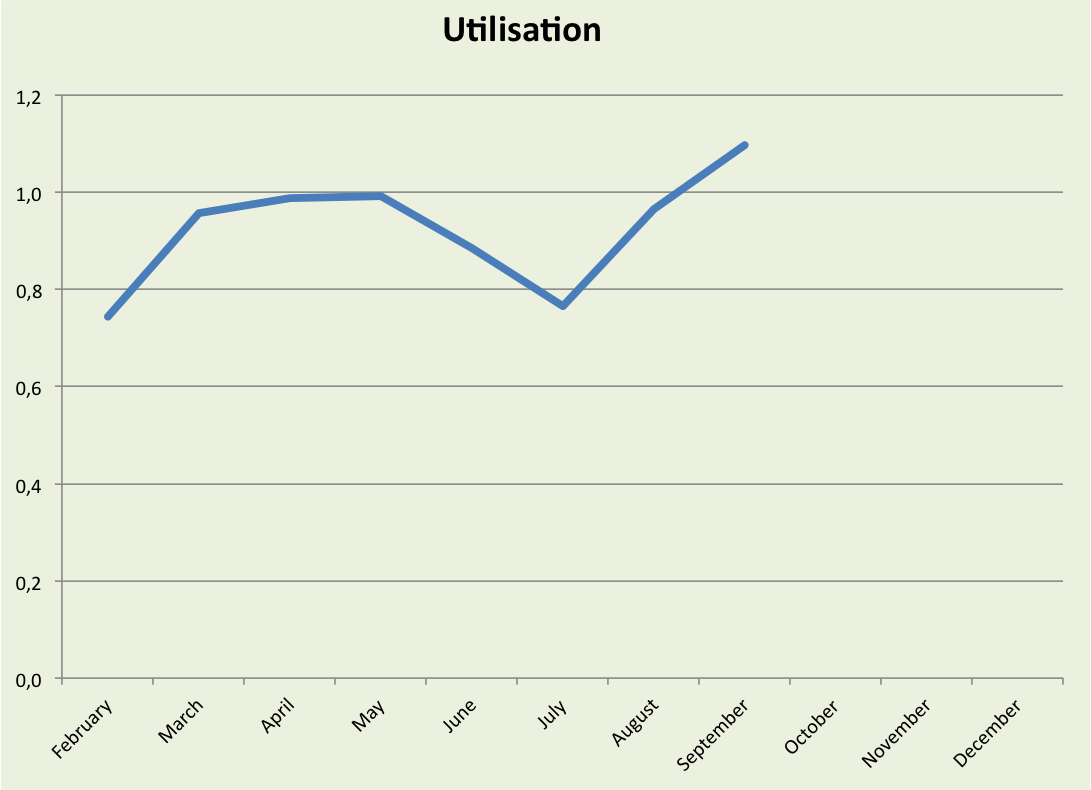
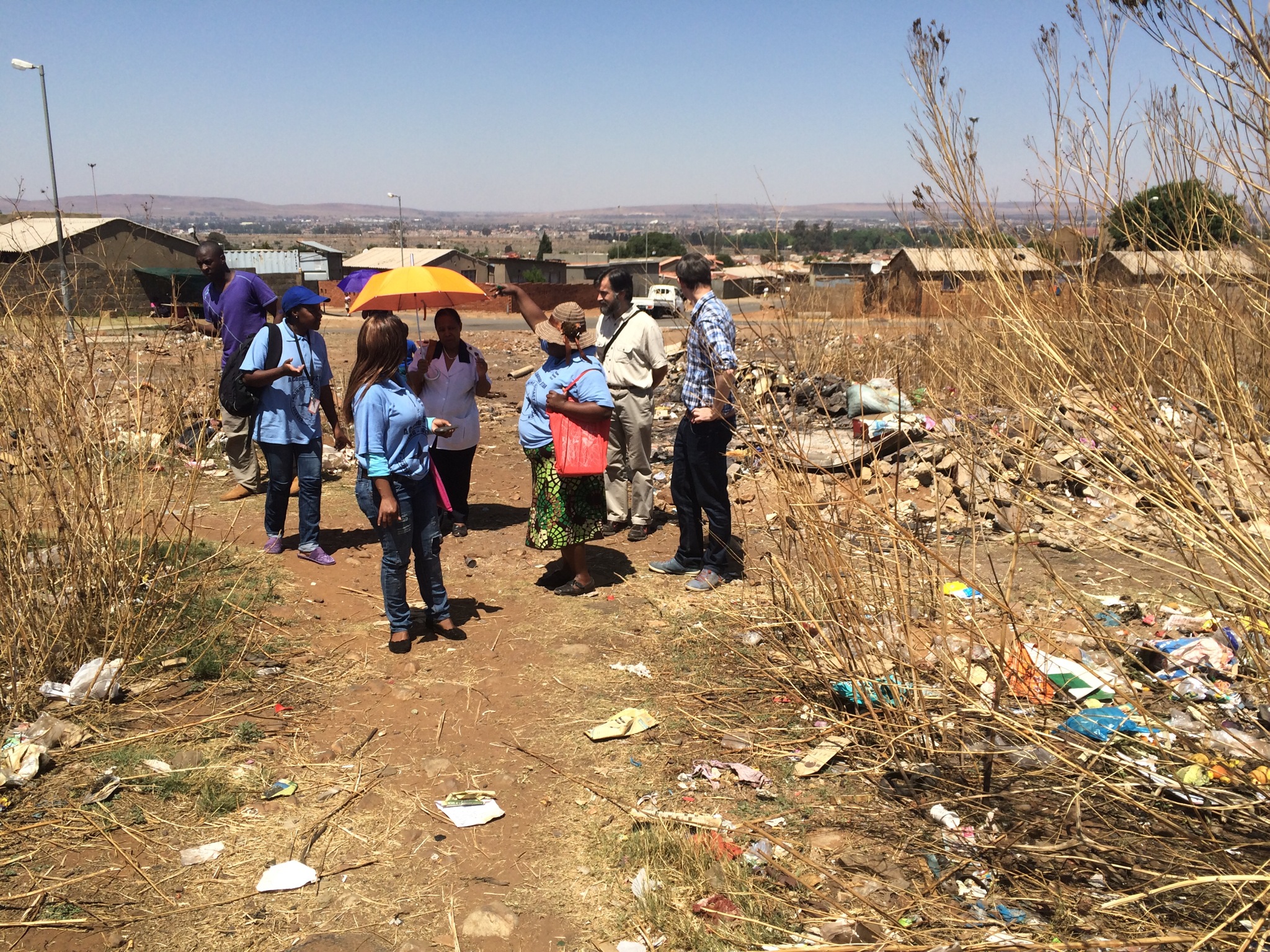
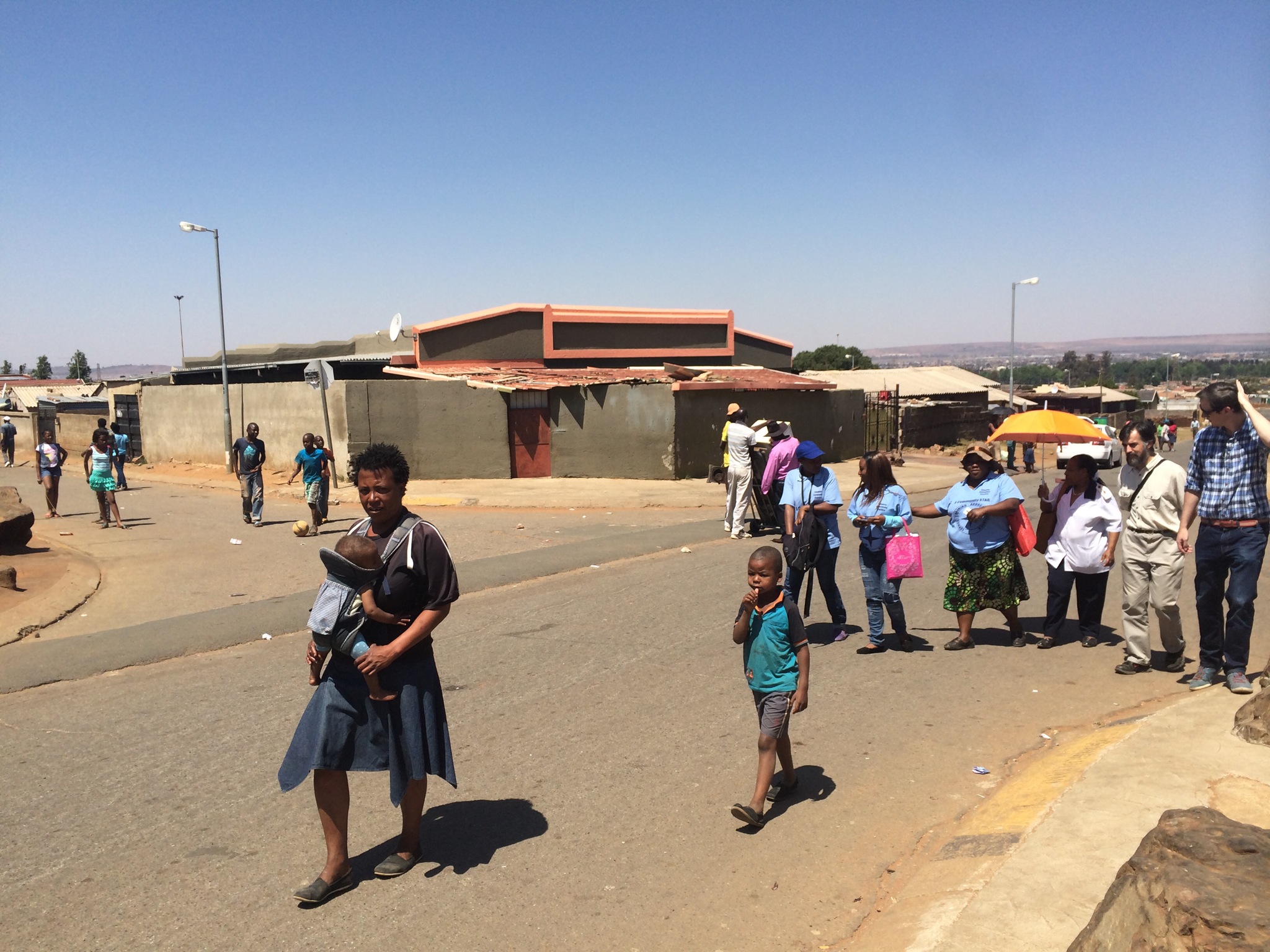
The use of CCP appears to be actually quite low with visits from the 10000 people number about 40 a day – producing a persistent utilisation rate of ±1 visit per person per annum. This is a far cry from the current public services 2 visits per annum, the cash GP visits of 4 per annum and medical aid GP visits of 6 per annum. Does this mean that patients are not aware or not choosing to come to us or is the utilisation elsewhere actually over-utilisation driven by other considerations?
Author Archives: Shabir Moosa
CHW screening progress in CCP
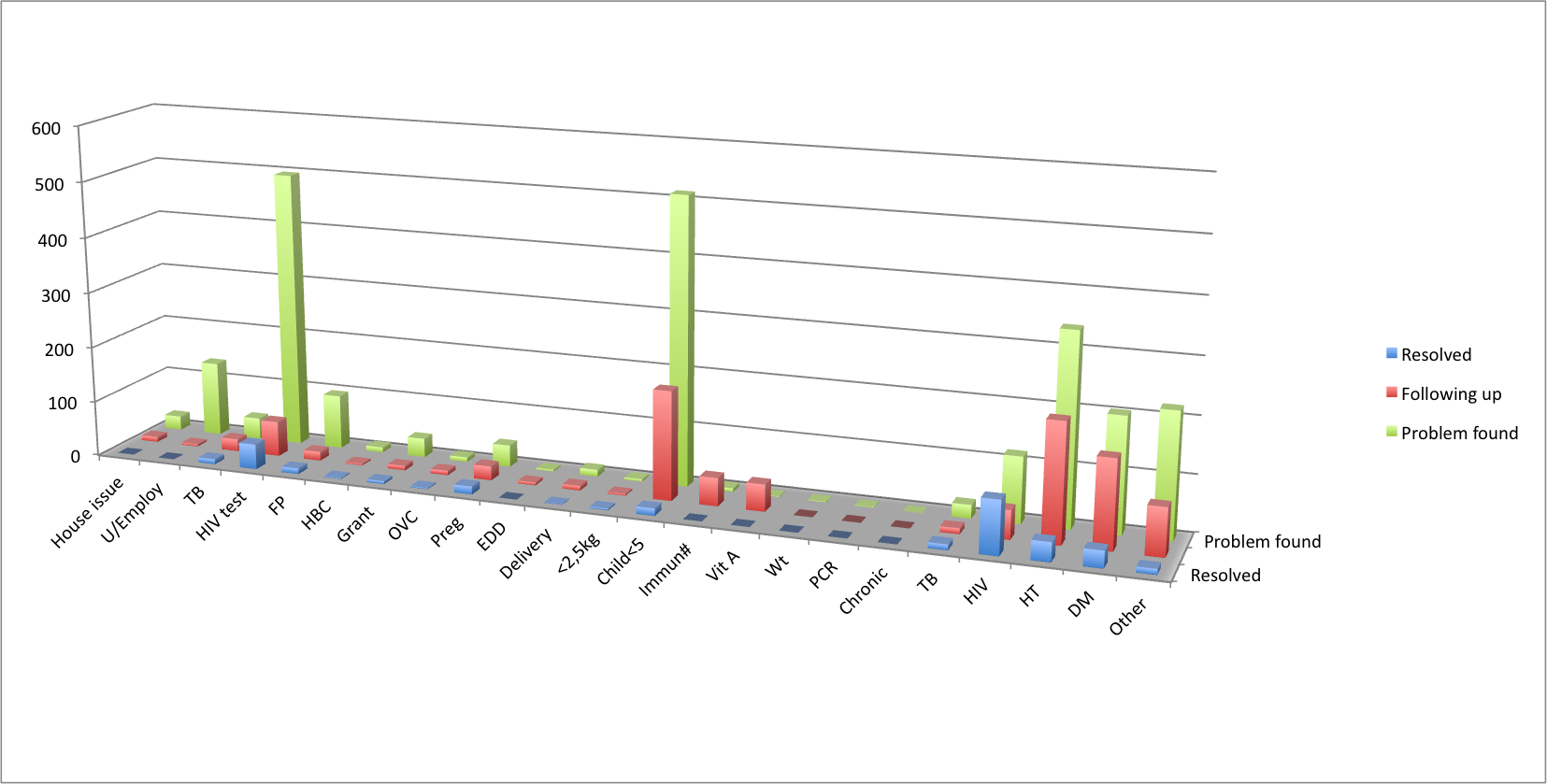
CHWs have collected all their data manually off their family summary sheets. It shows that they are focusing considerably on chronic care e.g. DM/HT – following them up (right side). However there has been limited follow up / resolution on HIV testing (tall green left side). There has been some follow up on TB (the initial priority) with 8 of the 38 being resolved and 22 STILL being followed up. An enrolled nurse has been employed to work with CHWs on followup of these issues.
CCP pinboard map
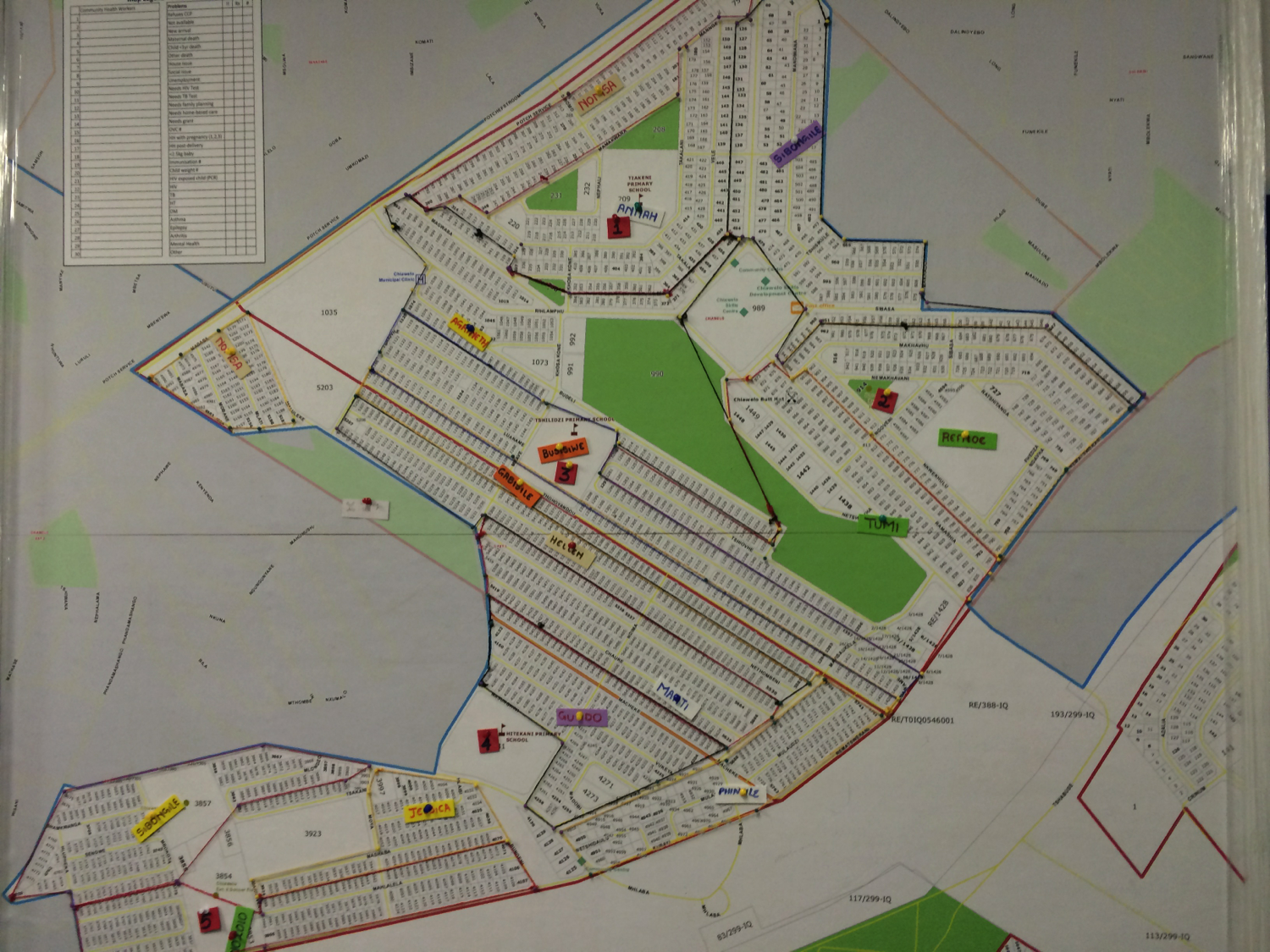
This is a map on the wall in the Chiawelo Community Practice’s Seminar Room. We have been able to demarcate each CHWs streets. We have grouped three CHWs in an area – this will be the focus of much of the activity in the community e.g. daily walking club and weekly health meeting. The workload does add up to quite a bit. There are 2703 Lots in this area with 6457 families identified. This means 2.4 families per lot. CHWs have registered only 2340 families and identified 10046 people. This means 4.5 persons per family. At this rate we may have well over 20 000 people in half the ward. The board is a large 1.6m x 1.6m but the lots are about 1cm on it – impossible to pin up all the problems in such small space for 2-3 families. We will have to prioritise problems and use it to visualise temporarily….
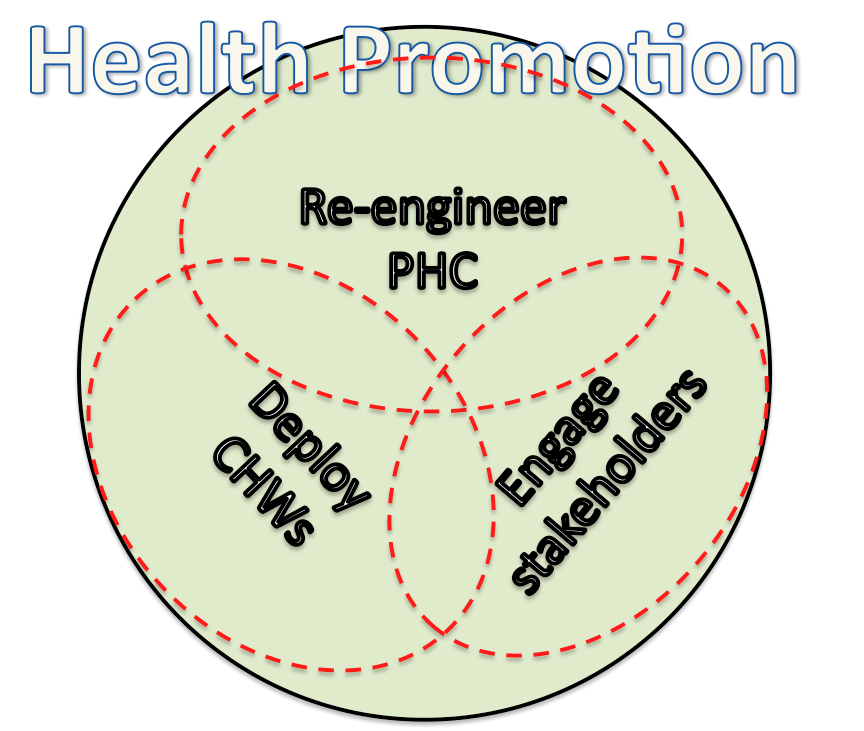
Simpler CCP model to move from cure to health promotion
IFCHC highlights Chiawelo Community Practice
Located in Soweto, the Chiawelo Community Practice (CHC) is the first South African member of the International Federation of Community Health Centres. Learn more about the IFCHC’s growing membership throughout Africa and access the following resources about/from the Chiawelo Community Practice: See the post
“African Community Practice” Project workshop held in Wits 10th Oct 2014
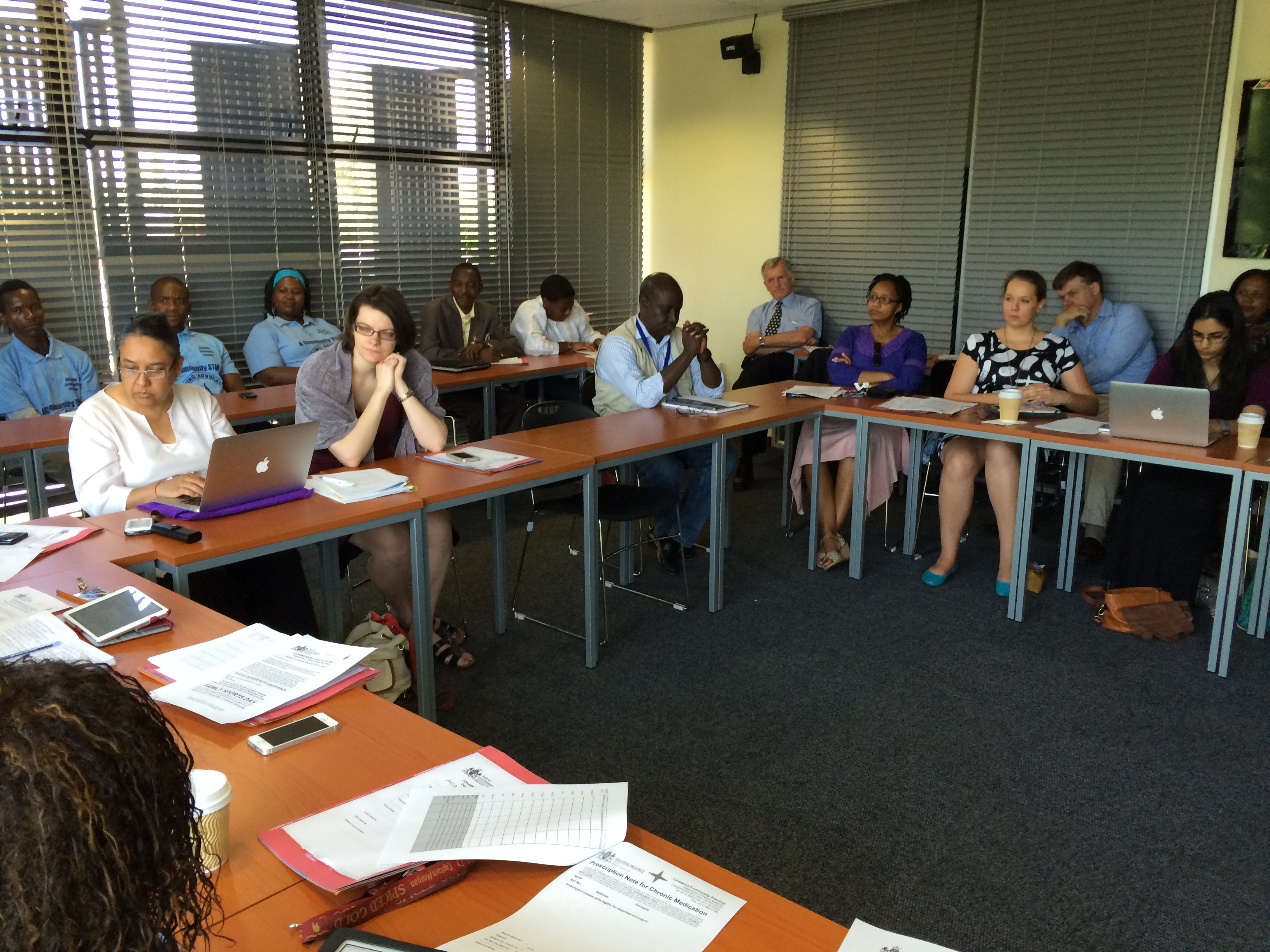
A Wits University-wide workshop was held in the Department of Family Medicine 1oth October 2014 to explore the work being done in Chiawelo Community and the idea of the African Community Practice as an interdisiciplinary / intersectoral platform for collaboration.
Participants from almost all faculties in Wits were present: Health Sciences, Humanities and Engineering-Built Environment with representatives from Commerce, Law and Management apologising. There were also community representatives from the District Health Forum of Soweto and Peoples Health Movement. There was overwhelming support for the work being done and enthusiasm to support the work further. There has been keen interest in using the platform for training and research and active support for Wits involvement in service development and advocacy for the work being done.
There are plans to continue the networking around CCP and explore the way forward.
WONCA E-update 10th October 2014
Access the latest WONCA News here, to read all the latest news, reports, details of past and forthcoming conferences and much more.
Top RACGP Award to WONCA President
At this week’s Annual Conference of the Royal Australian College of GPs, WONCA President Professor Michael Kidd was honoured by his Australian peers with the prestigious Rose-Hunt Award – the highest accolade awarded by RACGP. The Rose-Hunt Award is awarded to the RACGP Fellow or Member, who has rendered outstanding service in the promotion of the objects of the RACGP, either by individual patient care, organisation, education, research or any other means.
Prof Kidd also delivered the William Arnold Conolly Oration, named after the first recipient of the Rose-Hunt Award. Read more about the award, and read Professor Kidd’s Oration here.
Ebola continues to make devastating headlines around the world. A patient has just died in USA from the disease, whilst a health worker in Spain has been diagnosed with the disease. One in 5 patients in West Africa is a health professional. A reminder that WONCA’s website has some useful information on the disease, including key information from WHO and free access to the chapter on Ebola and Marsburg Viruses in Harrison’s Principles of Internal Medicine, 18th ed.
WONCA News this month contains the first of a series of articles on workers’ health by Peter Buijs and Frank van Dijk, members of ICOH, the International Commission on Occupational Health. WONCA and ICOH agreed a joint statement on workers’ health, which can also be accessed via the WONCA website. These articles will provide a useful resource for family doctors wanting to learn more about occupational health issues and the impact on their patients.
Next year will be a very busy one for WONCA conferences, with six of the seven regions holding a regional event, as well as the rural health conference in Dubrovnik. Next week Karen Flegg, the WONCA Editor, will be producing a “Conferences and Awards supplement” giving full details of all the events and of the awards and bursaries available to help people to attend Look out for that next week.
Global Health Care: Green Time 394
This Green Time TV original production reviews the application of the Cuban healthcare model to the health problems of western African, specifically Gambia. The poor African country of Gambia would never be able to afford a US model of health care, which is both enormously expensive and environmentally destructive. But the Cuban approach of primary and preventive health care is within the budgets of poor countries and highly effective at reducing disease. Don Fitz and Zaki Baruti of the Universal African Peoples Organization discuss health care challenges to countries like Gambia , which is implementing the Cuban model.
Community Oriented Primary Care (COPC) in Tshwane, South Africa
Ebola challenge ‘biggest since Aids’
The Ebola outbreak in West Africa is the world’s deadliest to date and the World Health Organization has declared an international health emergency as more than 3,850 people have died of the virus in Guinea, Liberia, Sierra Leone and Nigeria this year. What is Ebola? ….more
11 fresh African blogs to bookmark
The best kinds of lists are the subjective ones – much like the best blogs, writes arts and culture editor Zodwa Kumalo-Valentine…..more
EDITORIAL: SA is headed for a fiscal cliff
WHATEVER else the ANC’s “developmental state” has done for the country, it cannot be contested that the state has developed itself munificently. The number of government employees has increased steadily over the past two decades. Between 2005 and 2012, total employment in central and provincial government rose 27%. These employees’ average annual per capita remuneration doubled in that period, from R10 1980 to R21 1788. Between 2008 and 2012, total state employment rose by 13%, but the remuneration bill went up 76%…..more
SA’s best universities still fail to make it into top 100
ALL three of the major and most respected international rankings of universities have now been released for 2014 — the Shanghai, the QS and the Times Higher Education evaluations. Once again, we did not perform well. Our top three universities are clearly the University of Cape Town, Wits and Stellenbosch and they are rightly proud of this. In spite of their modest budgets they manage to hold their own in the top 300, at least in one of the rankings. But the harsh truth is that only these three of our 25 universities appear consistently in the rankings at all. Local universities of which much is made, such as the Universities of Pretoria, Johannesburg, Western Cape, KwaZulu-Natal and Rhodes barely appear at all, or if they do, it is largely below the 400 level…..more
Gordhan slams municipalities for underspending
Co-operative Governance and Traditional Affairs Minister Pravin Gordhan has lashed out at municipalities for failing to spend over 20% of their budgets last year even as service delivery levels were not up to scratch. Gordhan was today addressing the media on the sidelines of the Presidential Co-ordinating Committee meeting at the Union Buildings in Pretoria. The meeting was chaired by President Jacob Zuma…..more
Dry taps: Brace for round 2, 3, 4…
Continuous restructuring at the department of water affairs and sanitation could see the water crisis that hit Gauteng reoccurring, a water expert warned this week. Anthony Turton, a water expert previously with the CSIR, said the water system had been undermined by restructuring at the government department dealing with water affairs since 1994…..more
Lucy Gilson explains the importance of health system strengthening
Working together
Health systems are made up of a set of interconnected activities that develop over time and reflect local circumstances. They are driven by people of different experiences whose objectives are ultimately focused on improving the health of all people and ensuring social equity. The World Health Organisation (WHO) has identified six key building blocks within every health system.
These include governance, information, financing, service delivery, human resources, medicines and technologies. The WHO also points out that it is imperative to see that the health system “like any other system, is a set of interconnected parts that must function together to be effective. Changes in one area have repercussions for elsewhere. Improvements in one area cannot be achieved without contributions from others. Interaction between building blocks is essential for achieving better health outcomes”.
But health systems are ultimately powered by people and driven by their relationships. As in all other aspects of life, human interactions are challenging and unpredictable and need constant care. A major factor in health system dysfunction is weak interaction between people and activities, resulting in people working parallel but oblivious to each other. Reported drug stock-outs in our public health system are one example of such a health system breakdown.
Far from functioning as a huge machine-like structure, health systems are a dynamic human system with immense potential for innovation and creativity. These qualities are essential in being responsive to the huge array of different health needs and challenges that confront every system at an individual and population level. Understanding, defining and connecting people and activities within such systems is not an easy task, but is supported through Health Policy and Systems Research (HPSR).
Blending expertise in economics, sociology, anthropology, political science, public health and epidemiology, this interdisciplinary form of research explores the complex relationships and forces between people within health systems. It informs health policy. It promotes real health systems transformation.
Read more at:
Mail and Guardian
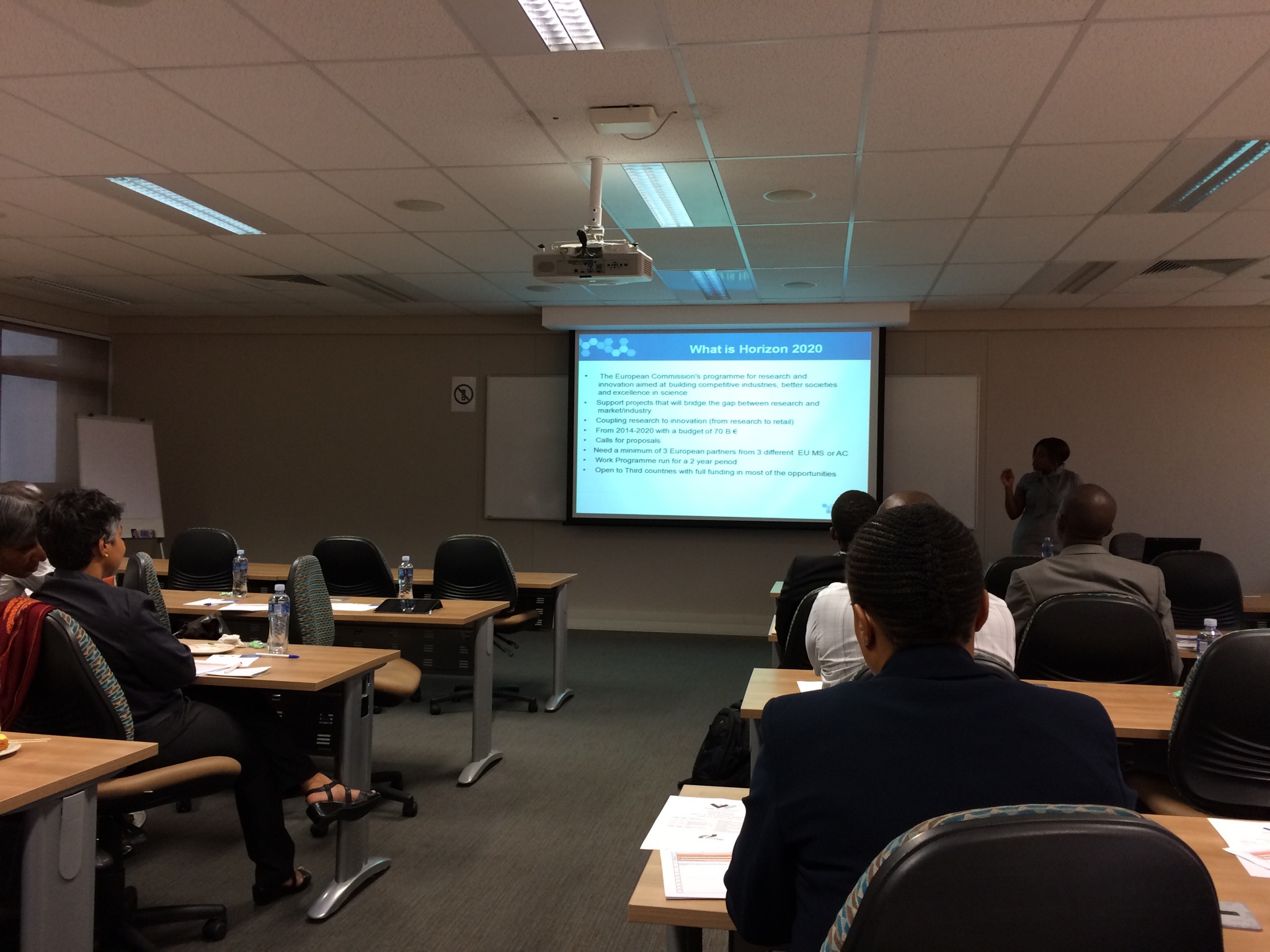
European funding
Dr Merlin Wilcox visits Chiawelo
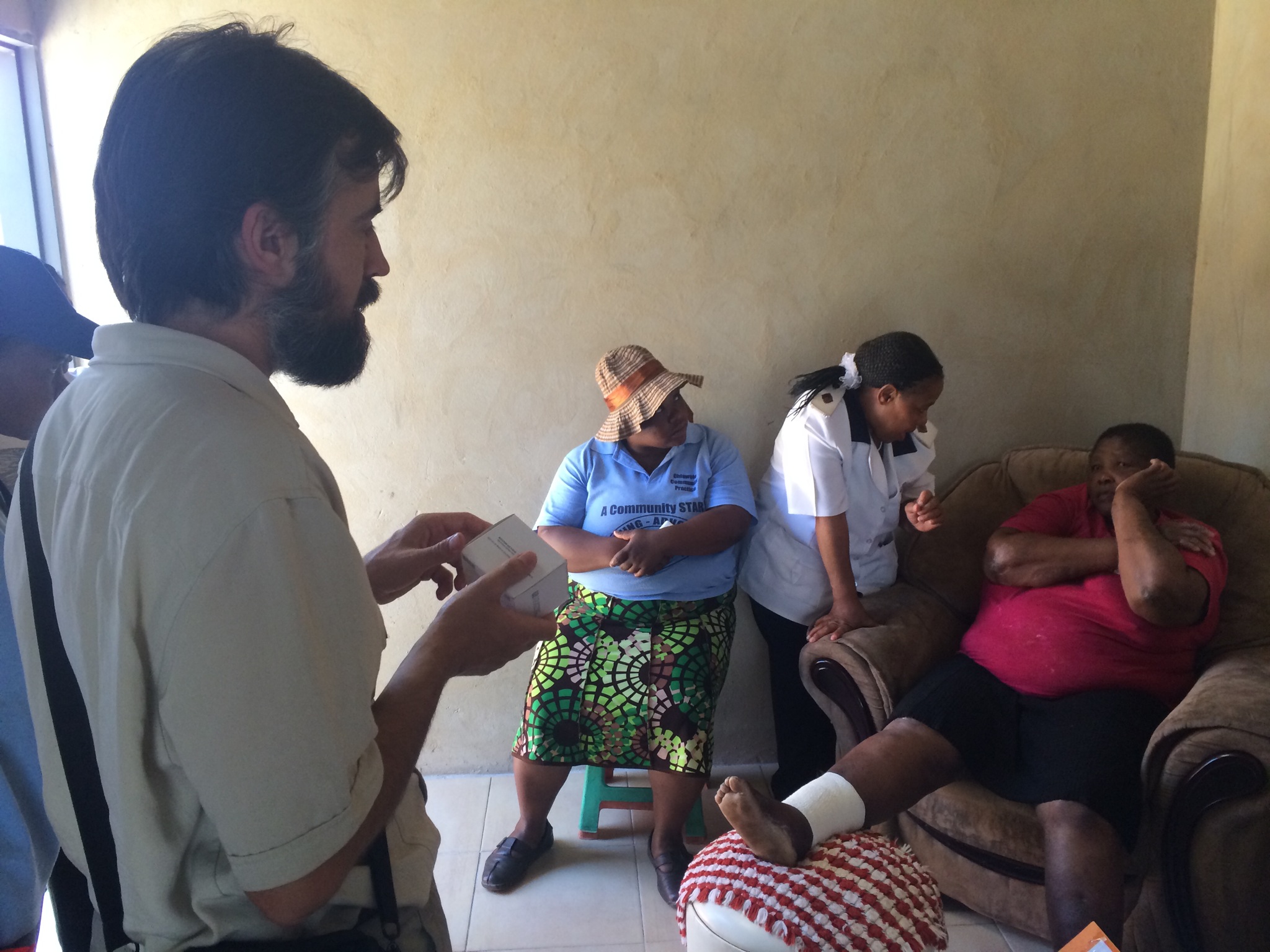
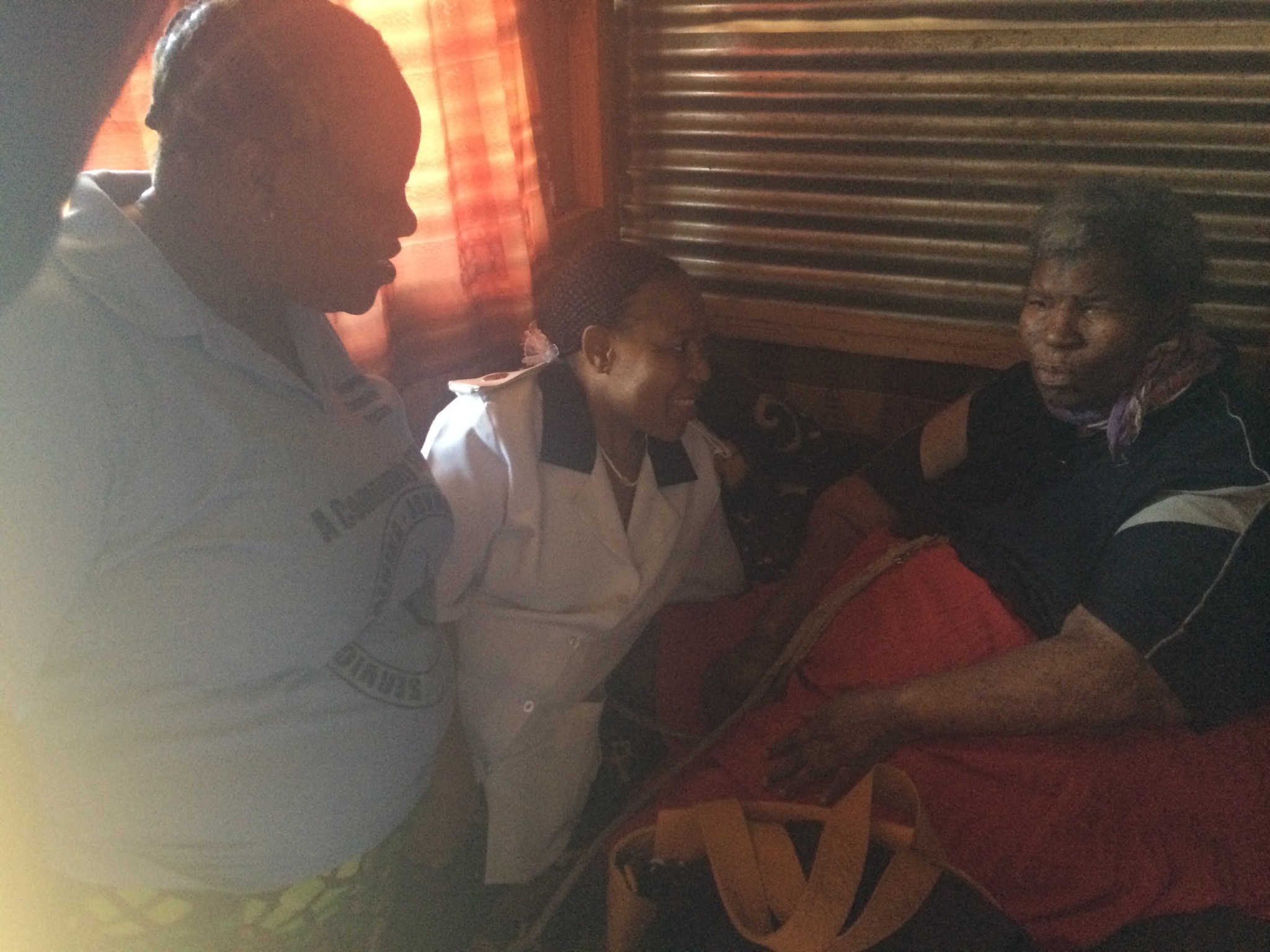
HURPRIM partner from Oxford University visited us at Chiawelo Clinic today. He accompanied our Enrolled nurse, and community health workers on three home visits. Today we visited 3 elderly ladies who are unable to walk to the clinic on their own. All of them were very grateful for the support from the CCP team. The community health workers are doing a fantastic job! Well done team
CCP!
Investing in Africa’s Healthcare
City of Joburg Community App
Download the JHB app @: http://joburg.comunity.me . Report potholes, water, power issues