
In 2008, we explored the emergence of private heart hospitals in India whose outcomes rivaled those of top U.S. hospitals (low infection and readmission rates for coronary artery bypass grafting [CABG], angioplasties, and other cutting-edge procedures) at between 1/10 and 1/20 of the cost. We described how Indian hospital leaders exhibited a near-obsessive drive to offer the highest quality services at the lowest possible price. We concluded that even though India is far from a model of social justice in health care, American hospitals could learn a great deal from the organizational focus and structure of their Indian counterparts. We additionally wanted to challenge the preconceived notion in policy discussions that high health care costs were a consequence of high quality and that patients and providers could not economize without diminishing the clinical quality of care…..more
Author Archives: Shabir Moosa
#WoncaAfrica 05 June 2017
Diabetic Foot Ulcers: Wound Management
AHRQ Guideline
Areas of Agreement and Difference
A direct comparison of recommendations presented in the above guidelines for wound management of diabetic foot ulcers (DFUs) is provided.
Areas of Agreement
Wound Dressings
IWGDF and SVS/APMA/SVM make strong recommendations for the use of dressing products that maintain a moist wound bed, control exudate and avoid maceration of surrounding intact skin. The guideline developers agree that available evidence does not support the use of any single dressing type (e.g., hydrogels, hydrocolloids, foam dressings, alginates, honey) over another. Dressing selection should therefore be guided by the characteristics of the individual wound, acquisition cost, and ease of use. IWGDF adds comfort to this list. IWGDF recommends against the use of antimicrobial dressings with the goal of improving wound healing or preventing secondary infection. The UHMS guideline does not address wound dressings.
Debridement
IWGDF and SVS/APMA/SVM agree that sharp debridement of slough, devitalized/necrotic tissue and surrounding callus material should be performed at regular intervals. According to SVS/APMA/SVM, considering the lack of evidence for superiority of any given debridement technique, initial sharp debridement is suggested, with subsequent choice of method based on clinical context, availability of expertise and supplies, patient tolerance and preference, and cost-effectiveness. IWGDF similarly notes that, even though professional opinion is united in support of the use of debridement, the experimental evidence to justify debridement in general and of any particular method of debridement is not strong. Nevertheless, IWGDF makes a strong recommendation on the basis of low-quality evidence for the use of sharp debridement, taking relative contraindications such as severe ischemia into account. The UHMS guideline does not address debridement.
Hyperbaric Oxygen (HBO2) Therapy
There is general agreement among the three guideline developers that HBO2 therapy may be an appropriate adjuvant intervention for selected patients. IWGDF makes a weak recommendation on the basis of moderate-quality evidence for the consideration of systemic HBO2 therapy in order to accelerate healing of DFUs. Further blinded and randomized trials are required to confirm its cost-effectiveness, as well as to identify the population most likely to benefit from its use, notes the guideline developer. SVS/APMA/SVM suggests the use of HBO2 therapy in patients with DFUs who have adequate perfusion that fails to respond to 4 to 6 weeks of conservative management. Considering the cost and the burden of prolonged daily treatment, the developer encourages careful patient selection and suggests the use of transcutaneous oximetry to help stratify patients and predict those most likely to benefit.
HBO2 therapy for the treatment of DFUs is the focus of the UHMS guideline. The developer makes recommendations for its use according to the grade of the DFU in the Wagner wound classification system. UHMS explains that, despite consensus between foot and ankle surgeons and hyperbaric physicians that the Wagner grade is archaic and inadequate, most of the historical and contemporary studies and most reimbursement determinations with regard to the use of HBO2 for DFUs are based on the Wagner DFU wound appearances. In order to reduce the risk of major amputation and incomplete healing, UHMS suggests adding HBO2 to the standard of care in patients with Wagner Grade 3 (deep tissue involvement and abscess, osteomyelitis, or tendonitis) or greater DFUs who have just undergone surgical debridement of the infected foot as well as in patients with Wagner Grade 3 or greater DFUs that have shown no significant improvement after 30 or more days of treatment. The developer suggests against using HBO2 in patients with Wagner Grade 2 or lower DFUs.
Rwanda’s evolving community health worker system: a qualitative assessment of client and provider perspectives
Abstract
BACKGROUND Community health workers (CHWs) can play important roles in primary health care delivery, particularly in settings of health workforce shortages. However, little is known about CHWs’ perceptions of barriers and motivations, as well as those of the beneficiaries of CHWs. In Rwanda, which faces a significant gap in human resources for health, the Ministry of Health expanded its community health programme beginning in 2007, eventually placing 4 trained CHWs in every village in the country by 2009. The aim of this study was to assess the capacity of CHWs and the factors affecting the efficiency and effectiveness of the CHW programme, as perceived by the CHWs and their beneficiaries.
METHODS As part of a larger report assessing CHWs in Rwanda, a cross-sectional descriptive study was conducted using focus group discussions (FGDs) to collect qualitative information regarding educational background, knowledge and practices of CHWs, and the benefits of community-based care as perceived by CHWs and household beneficiaries. A random sample of 108 CHWs and 36 beneficiaries was selected in 3 districts according to their food security level (low, middle and high). Qualitative and demographic data were analyzed.
RESULTS CHWs were found to be closely involved in the community, and widely respected by the beneficiaries. Rwanda’s community performance-based financing (cPBF) was an important incentive, but CHWs were also strongly motivated by community respect. The key challenges identified were an overwhelming workload, irregular trainings, and lack of sufficient supervision.
CONCLUSIONS This study highlights the challenges and areas in need of improvement as perceived by CHWs and beneficiaries, in regards to a nationwide scale-up of CHW interventions in a resource-challenged country. Identifying and understanding these barriers, and addressing them accordingly, particularly within the context of performance-based financing, will serve to strengthen the current CHW system and provide key guidance for the continuing evolution of the CHW system in Rwanda.
See article
Equipping family physician trainees as teachers: a qualitative evaluation of a twelve-week module on teaching and learning
Abstract
BACKGROUND: There is a dire need to expand the capacity of institutions in Africa to educate health care professionals. Family physicians, as skilled all-rounders at district level, are potentially well placed to contribute to an extended training platform in this context. To play this role, they need to both have an understanding of their specialist role that incorporates teaching and be equipped for their role as trainers of current and future health workers and specialists. A teaching and learning capacity-building module was introduced into a new master’s programme in family medicine at Stellenbosch University, South Africa. We report on the influence of this module on graduates after the first six years.
METHODS: A qualitative study was undertaken, interviewing thirteen graduates of the programme. Thematic analysis of data was done by a team comprising tutors and graduates of the programme and an independent researcher. Ethical clearance was obtained.
RESULTS: The module influenced knowledge, skills and attitudes of respondents. Perceptions and evidence of changes in behaviour, changes in practice beyond the individual respondent and benefits to students and patients were apparent. Factors underlying these changes included the role of context and the role of personal factors. Contextual factors included clinical workload and opportunity pressure i.e., the pressure and responsibility to undertake teaching. Personal factors comprised self-confidence, modified attitudes and perceptions towards the roles of a family physician and towards learning and teaching, in addition to the acquisition of knowledge and skills in teaching and learning. The interaction between opportunity pressure and self-confidence influenced the application of what was learned about teaching.
CONCLUSIONS: A module on teaching and learning influenced graduates’ perceptions of, and self-reported behaviour relating to, teaching as practicing family physicians. This has important implications for educating family physicians in and for Africa and indirectly on expanding capacity to educate health care professionals in Africa.
See Article
The Hummingbird and the Forest Fire
Sicily statement on evidence-based practice
Abstract
A variety of definitions of evidence-based practice (EBP) exist. However, definitions are in themselves insufficient to explain the underlying processes of EBP and to differentiate between an evidence-based process and evidence-based outcome. There is a need for a clear statement of what Evidence-Based Practice (EBP) means, a description of the skills required to practise in an evidence-based manner and a curriculum that outlines the minimum requirements for training health professionals in EBP. This consensus statement is based on current literature and incorporating the experience of delegates attending the 2003 Conference of Evidence-Based Health Care Teachers and Developers (“Signposting the future of EBHC”). Evidence-Based Practice has evolved in both scope and definition. Evidence-Based Practice (EBP) requires that decisions about health care are based on the best available, current, valid and relevant evidence. These decisions should be made by those receiving care, informed by the tacit and explicit knowledge of those providing care, within the context of available resources. Health care professionals must be able to gain, assess, apply and integrate new knowledge and have the ability to adapt to changing circumstances throughout their professional life. Curricula to deliver these aptitudes need to be grounded in the five-step model of EBP, and informed by ongoing research. Core assessment tools for each of the steps should continue to be developed, validated, and made freely available. All health care professionals need to understand the principles of EBP, recognise EBP in action, implement evidence-based policies, and have a critical attitude to their own practice and to evidence. Without these skills, professionals and organisations will find it difficult to provide ‘best practice’.
Sicily statement on evidence-based practice. BMC Medical Education, 5(1), 1. Available from: https://www.researchgate.net/publication/8097574_Sicily_statement_on_evidence-based_practice_BMC_Medical_Education_51_1 [accessed Jun 3, 2017].
Digital Support Interventions for the Self-Management of Low Back Pain: A Systematic Review
Abstract
BACKGROUND:
Low back pain (LBP) is a common cause of disability and is ranked as the most burdensome health condition globally. Self-management, including components on increased knowledge, monitoring of symptoms, and physical activity, are consistently recommended in clinical guidelines as cost-effective strategies for LBP management and there is increasing interest in the potential role of digital health.
OBJECTIVE:
The study aimed to synthesize and critically appraise published evidence concerning the use of interactive digital interventions to support self-management of LBP. The following specific questions were examined: (1) What are the key components of digital self-management interventions for LBP, including theoretical underpinnings? (2) What outcome measures have been used in randomized trials of digital self-management interventions in LBP and what effect, if any, did the intervention have on these? and (3) What specific characteristics or components, if any, of interventions appear to be associated with beneficial outcomes?
METHODS:
Bibliographic databases searched from 2000 to March 2016 included Medline, Embase, CINAHL, PsycINFO, Cochrane Library, DoPHER and TRoPHI, Social Science Citation Index, and Science Citation Index. Reference and citation searching was also undertaken. Search strategy combined the following concepts: (1) back pain, (2) digital intervention, and (3) self-management. Only randomized controlled trial (RCT) protocols or completed RCTs involving adults with LBP published in peer-reviewed journals were included. Two reviewers independently screened titles and abstracts, full-text articles, extracted data, and assessed risk of bias using Cochrane risk of bias tool. An independent third reviewer adjudicated on disagreements. Data were synthesized narratively.
RESULTS:
Of the total 7014 references identified, 11 were included, describing 9 studies: 6 completed RCTs and 3 protocols for future RCTs. The completed RCTs included a total of 2706 participants (range of 114-1343 participants per study) and varied considerably in the nature and delivery of the interventions, the duration/definition of LBP, the outcomes measured, and the effectiveness of the interventions. Participants were generally white, middle aged, and in 5 of 6 RCT reports, the majority were female and most reported educational level as time at college or higher. Only one study reported between-group differences in favor of the digital intervention. There was considerable variation in the extent of reporting the characteristics, components, and theories underpinning each intervention. None of the studies showed evidence of harm.
CONCLUSIONS:
The literature is extremely heterogeneous, making it difficult to understand what might work best, for whom, and in what circumstances. Participants were predominantly female, white, well educated, and middle aged, and thus the wider applicability of digital self-management interventions remains uncertain. No information on cost-effectiveness was reported. The evidence base for interactive digital interventions to support patient self-management of LBP remains weak.
See Article
Telephone triage systems in UK general practice: analysis of consultation duration during the index day in a pragmatic randomised controlled trial.
Abstract
BACKGROUND:
Telephone triage is an increasingly common means of handling requests for same-day appointments in general practice.
AIM:
To determine whether telephone triage (GP-led or nurse-led) reduces clinician-patient contact time on the day of the request (the index day), compared with usual care.
DESIGN AND SETTING:
A total of 42 practices in England recruited to the ESTEEM trial.
METHOD:
Duration of initial contact (following the appointment request) was measured for all ESTEEM trial patients consenting to case notes review, and that of a sample of subsequent face-to-face consultations, to produce composite estimates of overall clinician time during the index day.
RESULTS:
Data were available from 16,711 initial clinician-patient contacts, plus 1290 GP, and 176 nurse face-to-face consultations. The mean (standard deviation) duration of initial contacts in each arm was: GP triage 4.0 (2.8) minutes; nurse triage 6.6 (3.8) minutes; and usual care 9.5 (5.0) minutes. Estimated overall contact duration (including subsequent contacts on the same day) was 10.3 minutes for GP triage, 14.8 minutes for nurse triage, and 9.6 minutes for usual care. In nurse triage, more than half the duration of clinician contact (7.7 minutes) was with a GP. This was less than the 9.0 minutes of GP time used in GP triage.
CONCLUSION:
Telephone triage is not associated with a reduction in overall clinician contact time during the index day. Nurse-led triage is associated with a reduction in GP contact time but with an overall increase in clinician contact time. Individual practices may wish to interpret the findings in the context of the available skill mix of clinicians.
Article here
The Psychology of Social Sharing: How to Shape Your Content According to What People Want to Share
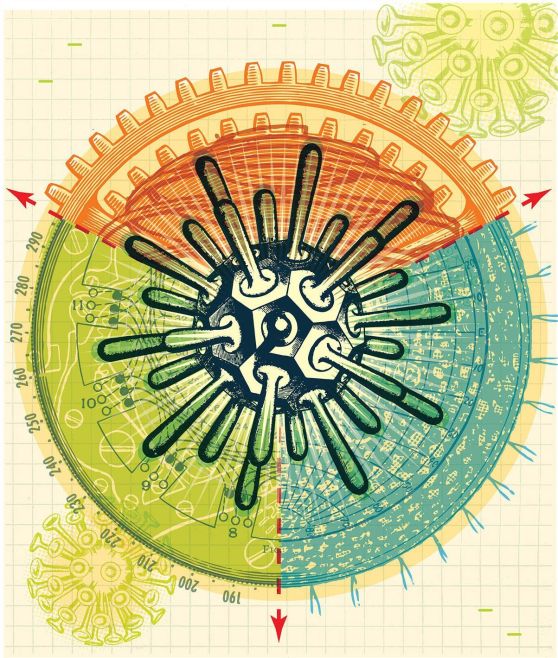 There is no magic formula to going viral.
Even if some blogs make getting shared big-time look effortless there simply is no 100% foolproof method to ensure that your content will reach huge audiences and inspire them to pass it on.
And that’s a good thing because it means those strategies cannot be abused.
However, going viral isn’t just a matter of throwing content at the wall and seeing what sticks. You can help yourself succeed by shaping your content to encourage social sharing on your social network of choice.
Keep reading to learn what drives people to share, and how to present your content to succeed on Facebook, Pinterest, Twitter, or LinkedIn….more
SEMDSA 2017 Guidelines for the Management of Type 2 diabetes mellitus
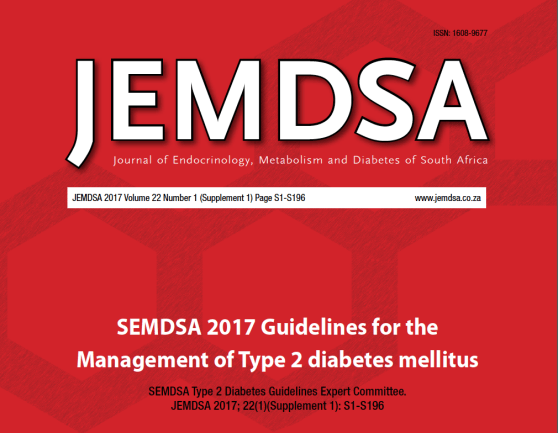 The Society for Endocrinology, Metabolism and Diabetes of South Africa Type 2 Diabetes Guidelines Expert Committee. The 2017 SEMDSA Guideline for the Management of Type 2 Diabetes Guideline Committee. JEMDSA 2017; 21(1)(Supplement 1): S1-S196.
SEMDSA 2017 Guidelines for the Management of Type 2 diabetes mellitus
7 Benefits of High-Intensity Interval Training (HIIT)

While most people know that physical activity is healthy, it’s estimated that about 30% of people worldwide don’t get enough. Unless you have a physically demanding job, a dedicated fitness routine is likely your best bet for getting active. Unfortunately, many people feel that they don’t have enough time to exercise. If this sounds like you, maybe it’s time to try high-intensity interval training (HIIT)…….more
Report on Doctors for Primary Health Care Symposium held on the 28th of March 2017
Introduction
South Africa’s two-tiered healthcare system has resulted in unequitable health outcomes, with the privileged few having disproportionate access to health services.
The Community Service Policy (CSP) was introduced in 1998 as an intervention to achieve better distribution of human resources for health in underserviced areas and to provide an enabling environment for new professionals to acquire experience. All health professions are legally required to complete a year of community service which entails remunerative work in the public sector. South Africa has since developed the Human Resources for Health (HRH) strategy (2012-2017) which takes into consideration the World Health Organisation (WHO) recommendations on the recruitment and retention of health professionals in rural and remote areas. These recommendations include rural health education interventions, enhanced regulation of rural practice, financial incentives and professional and personal support for health workers in remote and rural areas.
South Africa is in the process of working towards National Health Insurance (NHI), a health financing system designed to pool funds to provide access to quality, affordable personal health services for all South Africans based on their health needs, irrespective of their socio-economic status (National Department of Health, 2015). This will be phased in over a 14 year period, through four key interventions, namely: a complete transformation of healthcare service provision and delivery; the total overhaul of the entire healthcare system; the radical change of administration and management; and the provision of a comprehensive package of care underpinned by a reengineered primary health care.
It is within this context that a series of seminars were envisioned, starting with the Community Service for Health Professionals Summit held in April 2015. Its aim was to initiate stakeholder engagement for the systematic review of the CSP using available evidence from a number of independent studies. The summit set out to understand community service in the context of the National HRH Strategy, to review the last 15 years of experience of community service doctors and dentists, to review the objectives of the CSP in South Africa, to review the guidelines and provincial implementation of the CSP in South Africa and to make appropriate recommendations.
The second seminar “Doctors for PHC Symposium” was held in the City of Tshwane at the Foundation for Professional Development’s (FPD) Head Offices on 28 March 2017. The symposium was hosted by FPD and the National Department of Health. The symposium focused on all categories of health professionals, but mainly on doctors’ roles in a multi-disciplinary public sector primary health care (PHC) team.
This year’s symposium set out to achieve the following objectives:
- To review studies on the placement of doctors in a public sector PHC setting
- To identify models and strategies to optimise the role of doctors in a multi-disciplinary team
- To identify knowledge gaps and areas for research.
Cape Town Water Crisis: Surrounded by two oceans, is desalination the solution?
Level four water restrictions are now a reality for the City of Cape Town as dams are effectively seeping towards the unusable 10% mark, yet a viable solution exists through desalination.
Every single person in Cape Town and surrounds is being urged to keep water consumption to less than 100 litres per person per day.
The City says key to reaching this level is ensuring that showers do not run for more than two minutes per person, toilets are flushed only when absolutely necessary and with grey water, and all internal plumbing and plumbing fixtures are checked for leaks, according to the city…..more
Taking Trachoma Elimination Online: MOOC Draws Thousands
Building on the success of the first-ever massive online course (MOOC) on trachoma elimination, The Task Force’s International Trachoma Initiative (ITI) and partners are now providing another opportunity for public health professionals to learn about strategies for eliminating the bacterial disease.
Nearly 2,800 public health professionals in 64 countries took part in the first MOOC “Eliminating Trachoma” last October. The course opened again in April to connect even more public health professionals with the latest resources.
The course offers a solution to a major obstacle in the effort to eliminate trachoma – keeping planners and implementers across multiple countries up-to-date on policy and best practices in a rapidly changing environment…..more
A nearly all-white diversity panel? When will universities start taking race seriously
Last week, the Higher Education Funding Council for England (Hefce) announced its equality and diversity advisory panel membership. I was taken aback to find that the panel of eight consisted of seven white members. It feels at odds with its stated focus on dealing transparently with issues of equity in the Research Excellence Framework funding allocations.
On its website in March 2017, Hefce noted that the previous equality and diversity panel had “expressed disappointment” that limited progress had been made since the 2008 Research Assessment Exercise towards increasing diversity in the membership of the Ref panel, which judges the ratings that research submissions are awarded. Hefce added that “enhancing panel representativeness” will be one of the issues the new equality and diversity panel will address. But three years on this appears not to be the case….more
The bigotry underlying the notion of state capture in South Africa
The notion of state capture is currently very topical in South Africa, in both popular and academic circles. According to the popular view, President Jacob Zuma, along with a number of senior civil servants, has been captured and is doing the bidding of a well-heeled expatriate Indian family, the Guptas. A more plausible explanation of the nature of this relationship is required.
During the past year, political debate in South Africa has been dominated by the notion of state capture. More specifically, debate has been dominated by speculation on the nature of the relationship between President Zuma, members of his extended family and influential Indian family, the Guptas. According to popular lore, not to mention several academic treatises, the Gupta family has somehow managed to capture President Zuma and other senior civil servants and been able to manipulate them into awarding them a number of lucrative public contracts. This has enabled the Gupta family to become fabulously wealthy.
For a number of reasons, the assertion that the most powerful person in the country has somehow been captured is unconvincing. Indeed, the very proposition that a democratically-elected president of a sovereign nation of 55 million citizens can somehow manage to get ensnared in the schemes of a single family, no matter how influential, simply beggars belief. Far more plausible in one’s view that President Zuma and his coterie of advisors and assorted hangers-on have captured the Guptas by deliberately seeking them out and cajoling them into becoming a convenient conduit for their ill-gotten gains whilst bearing public blame for corruption and all that is wrong in South Africa. ….more
Measuring quality of health-care services: what is known and where are the gaps?
The United Nations sustainable development goal (SDG) 3 seeks “to ensure healthy lives and promote well-being for all and at all ages”.1 To build healthcare systems that were able to progress towards the millennium development goals, many countries had to extend delivery systems to increase coverage. They also greatly improved measurement of people’s contacts with the health system. However, with the reduction in disease burden due to specific infectious diseases and childhood illnesses, people tend to live longer, have multiple noncommunicable diseases and require more complex services. The focus on measuring access is not sufficient to capture whether people receive effective care; hence this month’s papers on measurement of quality of care in low- and middle-income countries….more
Cochrane Research Training Resources

See Cochrane Research Training Resources
Resources for Focusing a Question
Focusing the Question (ESQUIRE2012)
Issues and Challenges for Focusing the Question (ESQUIRE2012)
Resources for Searching
Literature Searching for Qualitative Studies and Quality Appraisal
Resources for Data Extraction
Appraisal Extraction and Pooling (JBI)
Resources for Quality Assessment
Resources for Synthesis
Methods of Synthesising Qualitative Evidence for Policy and Health Technology Assessments
Methods for Synthesizing Qualitative Evidence (ppts)
Methods for synthesizing qualitative evidence (Youtube)
Qualitative synthesis methods: A decision tree
CCC Qualitative evidence synthesis and Cochrane Reviews
Resources for Integrating Quantitative and Qualitative Research
Synthesising qualitative and quantitative evidence (Dixon-Woods)
Resources for Presenting Data
Resources for Writing Up
Content currently being updated
9TH ANNUAL PAIN SYMPOSIUM – Saturday, 3 June 2017 UP
9TH ANNUAL PAIN SYMPOSIUM Saturday, 3 June 2017 hosted by the Department of Family Medicine in the Sanlam Auditorium at the University of Pretoria (Accredited for 6 + 2 Ethics CPD points)
Dear All,
Thank you very much for your overwhelming support for the 9th Annual Pain Symposium. We are now fully subscribed with ±300 registrations and had to close registrations on Monday. All trade space has also been taken – please interact with the exhibitors.
If you still want to register, you must send an email to Janice at Velocity Vision so that you can come onto the cancellation list – it is possible that a few delegates may cancel during the week.
Janice Candlish (Administrator / Conference Organiser)
Contact details: Tel: 011 894 1278 | Fax: 086 724 9360 | jan@velocityvision.co.za
Enquiries: Prof Helgard Meyer: 012 373 1096 (Doris)
Please come early and enjoy a cup of coffee with your friends and to avoid traffic congestion – this is very important!
Also remember to print your parking voucher for access to the University.
Regards
Prof Helgard Meyer
Department of Family Medicine
University of Pretoria
 AfroPHC