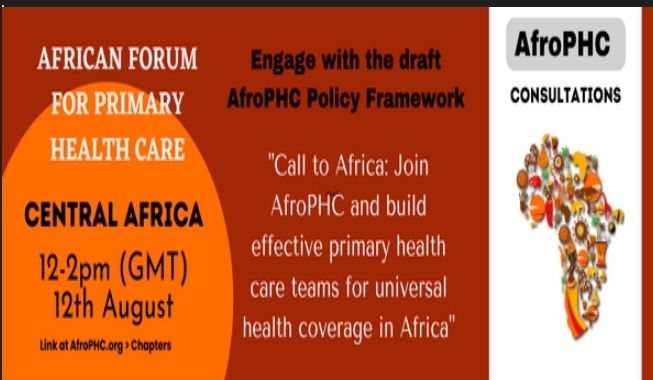
Join us this Friday to consult in Central Africa

Join us 12-2pm GMT this Friday 12th August to meet with as many colleagues from Cameroon, DR Congo, Chad, Congo, Central African Republic, Gabon, Equatorial Guinea [with English – French translators]. The consultation will be facilitated by Francoise Nwabufo and Elie Badjo.

The agenda is as follows. The link is below
Welcome/Introductions
Introduction to AfroPHC and Chapters and Discussions on “What are the challenges of PHC in the region?”
Review of AfroPHC Policy Framework and Discussions on “The Draft Policy Framework: what we like, don’t like and suggestions”
Discussions on “How we take AfroPHC forward?”
Join Zoom Meeting Meeting [https://us02web.zoom.us/j/87667423120?pwd=R1p0NHY1ZlNDQ3dGTlRZcjduczlOUT09] ID: 876 6742 3120 | Passcode: 111364

See more here [https://atomic-temporary-69625775.wpcomstaging.com/chapters/]. We are very keen that as many local stakeholders participate. These include professional associations, ministries of health, accreditation / certification bodies, academics, patient advocacy groups etc. Please feel free to share this email to any key stakeholders you think should be there and ask them to join us to discuss AfroPHC and the Policy Framework.
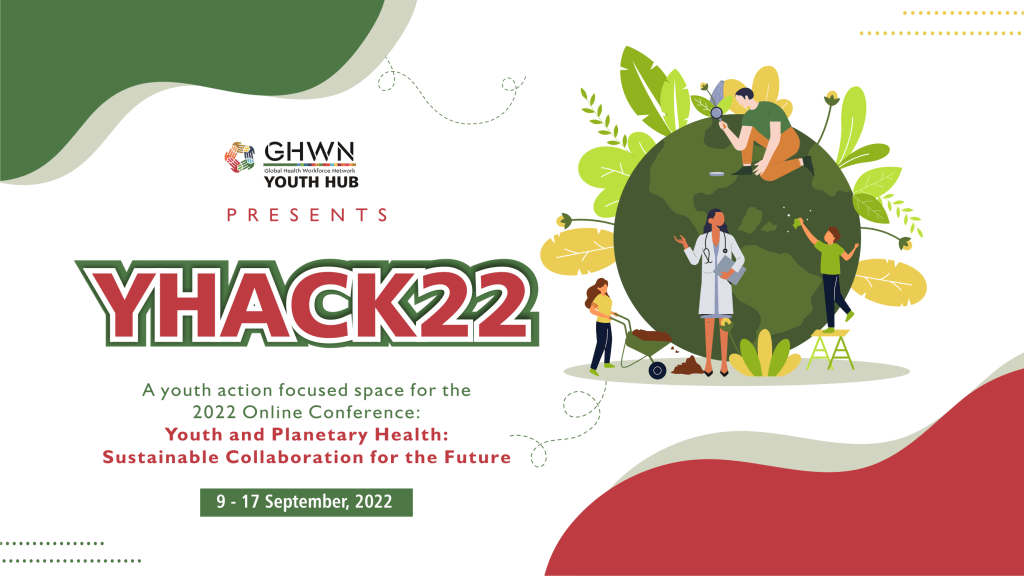
GHWN Youth Hub Social media challenge!

The challenge has begun!


Rules:

Follow the GHWN Youth Hub Instagram page: @ghwnyouthhub

Create Instagram reels with the theme of Planetary Health! There are two challenges:

#YH22Challenge1: What is the main issue for you in planetary health?

#YH22Challenge2: Name 3 tips for fellow youth to engage in planetary health.

Some sub-questions to spark your creativity:

What does planetary health mean to you? Describe in 3 words.

Why should youth advocate for Planetary Health?

Important messages to Youth

Insert either #YH22Challenge1 or #YH22Challenge2 to indicate which challenge you are participating in and add the hashtags: #YHack22, #YHConf22

Tag us on Instagram! @ghwnyouthhub

Nominate your friends or tag your favourite climate activists!

You are free to use any audio or props in their video, be as creative as you like.

The contents must not contain inappropriate content.


Prizes:

The winners will be announced before 26 August 2022.

The Top 2 Winners of the social media challenges will be featured and interviewed on our social media platforms.

New global alliance launched to end AIDS in children by 2030

Globally, only half of children living with HIV are on life-saving treatment. UNAIDS, UNICEF, and WHO have brought together a new alliance to fix one of the most glaring disparities in the AIDS response…more

WHO launches appeal to respond to urgent health needs in the greater Horn of Africa

The health and lives of people in the greater Horn of Africa are threatened as the region faces an unprecedented food crisis. In order to carry out urgent, life-saving work, WHO is launching a funding appeal for US$ 123.7 million…more

Fifth Global Forum on Human Resources for Health: 3-5 April 2023

The Fifth Global Forum on Human Resources for Health will be held from 3 to 5 April 2023. The format of the Forum will be hybrid, to enable virtual and in-person sessions and will be hosted from the Auditorium of the WHO headquarters in Geneva.
The Forum will be held under the theme of Protecting, safeguarding, and investing in the health and care workforce. Marking more than five years since the adoption of the Global Strategy on Human Resources for Health: Workforce 2030, the Forum will provide updates on progress in its implementation and share evidence and experiences on workforce development, as well as opportunities for a post COVID-19 era that will inform the implementation of the Working for Health 2022-2030 Action Plan (2022-2030). It will examine the required policy solutions, investments, and multi-sectoral partnerships to address health and care workforce challenges and advance health systems towards universal health coverage and health security. The outcomes of the Forum will inform the United Nations General Assembly’s High-Level Meeting on UHC in September 2023.

The Forum is intersectoral and will engage participation from a range of actors, including high-impact decision-makers, across education, finance, gender, health, labour/employment, and migration sectors. In person participation will be for speakers participating in the high-level roundtable dialogue. Technical sessions and other learning and networking activities will be available upon registration through an IT platform dedicated for the Forum.

The language of the Forum will be English with simultaneous interpretation available in Arabic, Chinese, French, Russian and Spanish, for the high-level roundtables.

Please contact the Forum Secretariat at 5GF@who.int for any queries. Find out more at https://www.who.int/teams/health-workforce/about/5thglobalforum-hrh/.


In solidarity,
WHO Health Workforce team

Webinar: Management of Epilepsy in Primary Health Care

Join our next webinar, hosted & sponsored by the African Forum for Primary Health Care & WONCA Africa.


“Management of Epilepsy in Primary Health Care”


The Webinar will be held in English.


Please share the event with your Organization’s Members &
reserve your spot in the WCEA App…more

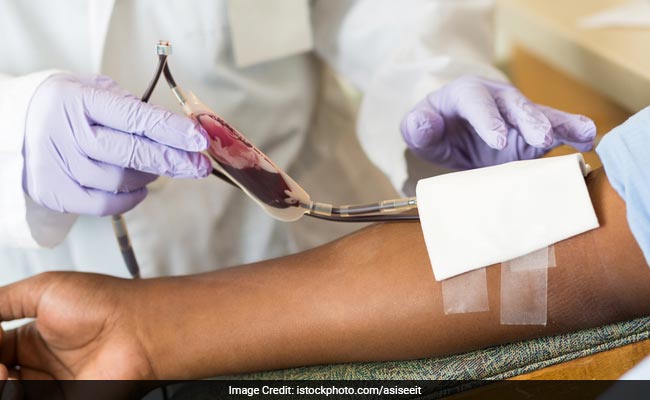
Blood Exposure Accidents among Health Care Personnel

Introduction: Blood exposure accidents (BEA) are a major public health problem, especially in developing countries such as Cameroon. Evaluating the knowledge and practices among healthcare workers (HCWs) of the Ngaoundere Regional Hospital (NRH), in relation to BEA, was a logical step towards addressing this concern in Cameroon.

Design: From 1 March to 30 April 2021, a descriptive cross-sectional study was conducted at the NRH in the Adamawa region of Cameroon. The study population consisted of the HCWs of the NRH. A total, 218 health care personnel were contacted to participate in the study and 172 (78.89%) HCWs agreed. Data were collected using an anonymous, self-administered questionnaire.

Results: A total of 172 HCWs were surveyed and the predominant gender was female (54.7%), the average age was 35.55±7.46 years, and the average longevity was 9.14±6.78 years. Approximately 62.80% of the respondents claimed to have had at least one BEA. The most common BEA was needle stick injury (87.5%), followed by infected blood splashed into the mouth and/or eyes (52.0%) and contact with a wound containing infected blood (48.7%).

Conclusions: This study revealed a poor knowledge of interventions after BEA, demonstrated in the practices of HCWs of the NRH, especially according to their professional category, with medical staff having a better knowledge of BEA than paramedical staff…more

Issues Related to the Treatment of H. pylori Infection in People Living with HIV and Receiving Antiretrovirals

Treatment of Helicobacter pylori infection in people living with HIV is associated with several challenges, including those related to drug metabolism which plays a major role in treatment efficacy. In this review, we will discuss the enzymes involved in the metabolism of anti-Helicobacter pylori and anti-HIV drugs to provide a basis for understanding the potential for interactions between these drug classes. We will also provide a clinical perspective on other issues related to the treatment of Helicobacter pylori and HIV infections such as comorbidities, adherence, and peer communication. Finally, based on our understanding of the interplay between the above issues, we propose a new concept “Antimicrobial susceptibility testing-drug interaction-supports-referent physician” (AISR), to provide a framework for improving rates of H. pylori eradication in people living with HIV…more

Are Africa’s health resources overly focused on HIV/AIDS?

… Africa’s double burden of infectious and chronic disease is at the center of this debate on whether Africa is overspending health resources on … For starters, according to the World Health Organization, Africa has the highest incidence of HIV…more

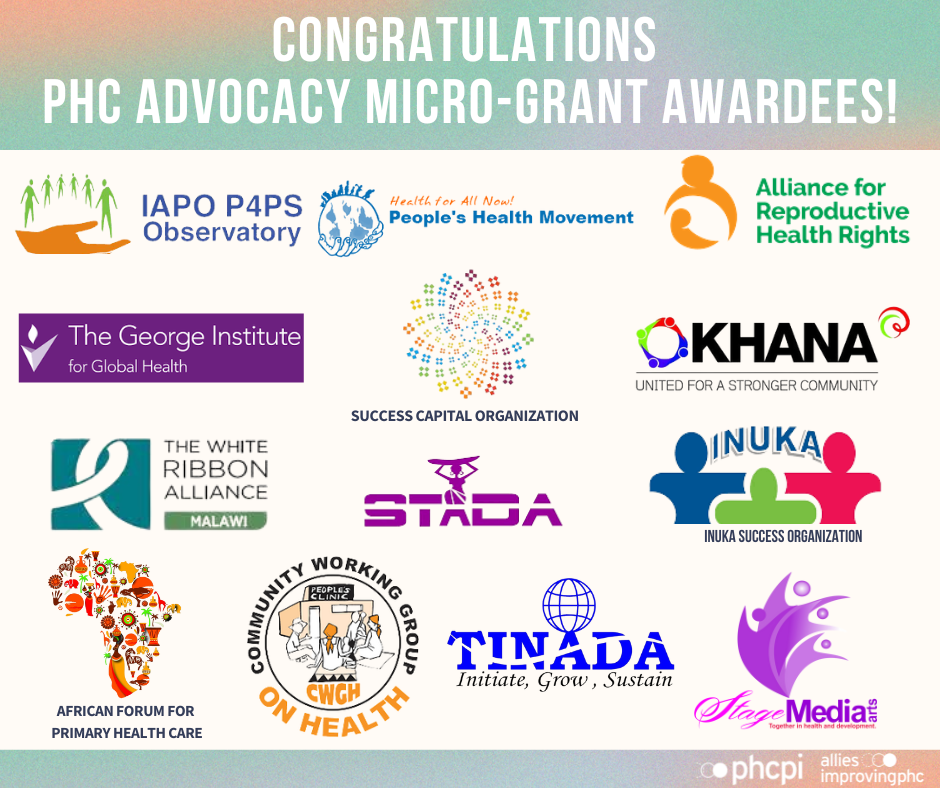
Announcing PHC Advocacy Micro-Grant awardees

Dear Allies,

Today, the PHCPI Secretariat is thrilled to announce the thirteen (13) organizations selected for PHC Advocacy Micro-Grants in 2022 — all either longstanding or newly joined members of the Allies Improving PHC.
I would also like to extend another huge thank you to everyone who took the time to apply or reshare the application several months ago — the PHCPI Secretariat received more than 200 impressive applications, a true testament to the dedication and demand for action on PHC, as well as the need to continue supporting local champions to engage to the fullest. It’s your energy and passion that keeps this group alive and continues to push the needle on strong primary health care.

More to come: In the days ahead, we will also at last be announcing the new Advisors to the Allies Improving PHC, who will be instrumental in guiding this group through the next few months – including as we aim to finalize and launch our Allies’ open letter ahead of next year’s High-Level Meeting on UHC.

Stay tuned, and congratulations again to the 13 awardees.

Best,
Emily & Team PHCPI

###

Congratulations PHC Advocacy Micro-Grant awardees:
The African Forum for Primary Health Care @AfroPHC
Alliance for Reproductive Health Rights @arhrghana
Community Working Group on Health @CWGH1
George Institute for Global Health/Primary Health Care Research Consortium @GeorgeInstIN/@care_PHCRC
International Alliance of Patient Organizations’ Patients for Patient Safety Observatory @IapoP4ps
Inuka Success Organization @inukasuccess
Khmer HIV/AIDS NGO Alliance @KhanaCambodia
People’s Health Movement @PHMTanzania
Stage Media Arts CBO, Bungoma County @stagemediaarts
Stawisha Dada @stadakenya
Success Capital Organisation @ProSuccessBW
TINADA Youth Organization @TinadaOrg
White Ribbon Alliance @WRAMalawi…more

Family Medicine in Malawi Newsletter

We would like to share some recent updates with you from our Department.
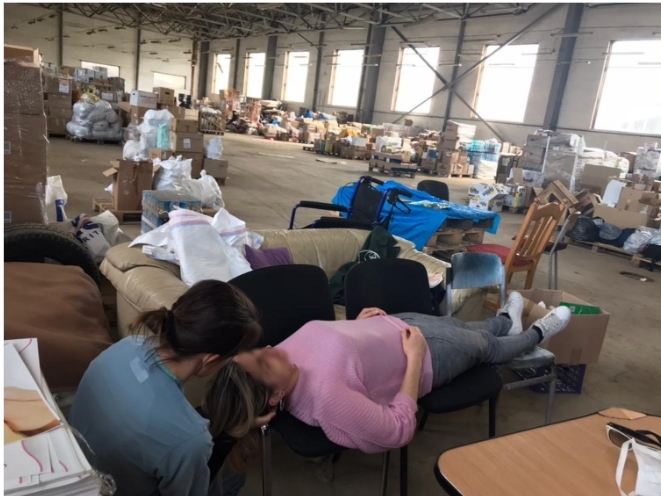
In our last newsletter, we shared the Family Medicine Department response in February and March to the flooding victims in Southern Malawi. But this wasn’t the only opportunity our Family Medicine doctors had to extend healthcare in a disaster. In late April, two of our doctors, Dr. Catherine Hodge and registrar Dr. Antonio Giannakis, joined a team of American Family Medicine doctors to fly to Uzhhorod, Ukraine. The group ran a week of clinics for the many refugees who had fled from the southeast and middle of Ukraine due to the war raged by Russia…more

WHO and UNICEF: COVID-19 pandemic fuels largest continued backslide in vaccinations in three decades

The largest sustained decline in childhood vaccinations in approximately 30 years has been recorded in official data published today by WHO and UNICEF.

The percentage of children who received three doses of the vaccine against diphtheria, tetanus and pertussis (DTP3) – a marker for immunization coverage within and across countries – fell 5 percentage points between 2019 and 2021 to 81 per cent.

As a result, 25 million children missed out on one or more doses of DTP through routine immunization services in 2021 alone. This is 2 million more than those who missed out in 2020 and 6 million more than in 2019, highlighting the growing number of children at risk from devastating but preventable diseases. The decline was due to many factors including an increased number of children living in conflict and fragile settings where immunization access is often challenging, increased misinformation and COVID-19 related issues such as service and supply chain disruptions, resource diversion to response efforts, and containment measures that limited immunization service access and availability…more

WHO publication “Implication of the COVID-19 Pandemic for Patient Safety: A Rapid Review”, Tuesday, 09 August 2022

Dear Colleagues,

Greetings from the WHO Patient Safety Flagship in Geneva.

The COVID-19 pandemic has profoundly impacted nearly all countries’ health systems and diminished their capability to provide safe health care, specifically due to errors, harm and delays in diagnosis, treatment and care management. In preparation for the forthcoming fifth Global Ministerial Summits on Patient Safety, scheduled to be held on 23-24 February 2023 in Montreux, Switzerland as the host country, has been working with WHO to better understand the implications of the COVID-19 pandemic for patient safety.

As part of this ongoing initiative, WHO Patient Safety Flagship is planning to launch the publication “Implication of the COVID-19 Pandemic for Patient Safety: A Rapid Review”, in a virtual event on Tuesday, 09 August 2022, 14:00-15:30 (CEST).

The objectives of this event are to:

– provide an overview of implications of the COVID-19 pandemic for patients, health workers, and the general public

– highlight the importance of managing risks and addressing avoidable harm in a pandemic situation

– discuss implications of the pandemic for patient safety within the broader context of preparedness, response and recovery

– lay the foundation for follow-up work around generating more robust evidence and supporting countries in their efforts to build resilient and safer health care systems.

We hope that you join us for this event on Tuesday, 09 August 2022 at 14:00-15:30 CEST.

Please register at the link. https://echo.zoom.us/webinar/register/WN_yVOgkzyvSaCzPXW1r6CY5A, also included in the attached flyer [HIFA does not carry attachments].

Simultaneous interpretation will be available in English, French and Spanish.


Thanks and best regards,

Dr Neelam DHINGRA
Unit Head
WHO Patient Safety Flagship/

Healthcare workers’ perspectives on access to SRH services in Kenya, Tanzania, Uganda and Zambia

Background: Access to sexual and reproductive health services remains a challenge for many in Kenya, Tanzania, Uganda and Zambia…

Methods: A cross-sectional survey was conducted among healthcare workers working in health facilities offering sexual and reproductive health services in Kenya (n = 212), Tanzania (n = 371), Uganda (n = 145) and Zambia (n = 243)…

Results: According to healthcare workers, the most common barrier to accessing sexual and reproductive health services was poor patient knowledge (37.1%). Following, issues with supply of commodities (42.5%) and frequent stockouts (36.0%) were most often raised in the public sector; in the other sectors these were also raised as an issue. Patient costs were a more significant barrier in the private (33.3%) and private not-for-profit sectors (21.1%) compared to the public sector (4.6%), and religious beliefs were a significant barrier in the private not-for-profit sector compared to the public sector (odds ratio = 2.46, 95% confidence interval = 1.69–3.56). In all sectors delays in the delivery of supplies (37.4-63.9%) was given as main stockout cause. Healthcare workers further believed that it was common that clients were reluctant to access sexual and reproductive health services, due to fear of stigmatisation, their lack of knowledge, myths/superstitions, religious beliefs, and fear of side effects. Healthcare workers recommended client education to tackle this.

Conclusions: Demand and supply side barriers were manifold across the public, private and private not-for-profit sectors, with some sector-specific, but mostly cross-cutting barriers. To improve access to sexual and reproductive health services, a multi-pronged approach is needed, targeting client knowledge, the weak supply chain system, high costs in the private and private not-for-profit sectors, and religious beliefs…more

Implementation research on noncommunicable disease prevention and control interventions in LMICs

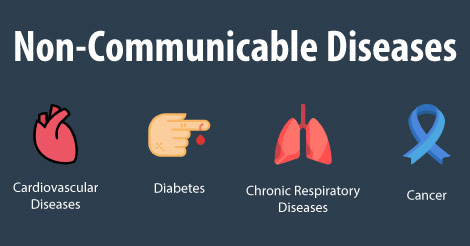
This new paper in PLOS Medicine finds that ‘While implementation research on priority NCDs has grown substantially, from under 10 studies per year in early 2000s to 51 studies in 2020, this is still vastly incommensurate with the health burden of NCDs’.

Background: While the evidence for the clinical effectiveness of most noncommunicable disease (NCD) prevention and treatment interventions is well established, care delivery models and means of scaling these up in a variety of resource-constrained health systems are not. The objective of this review was to synthesize evidence on the current state of implementation research on priority NCD prevention and control interventions provided by health systems in low- and middle-income countries (LMICs).

Methods and findings: On January 20, 2021, we searched MEDLINE and EMBASE databases from 1990 through 2020 to identify implementation research studies that focused on the World Health Organization (WHO) priority NCD prevention and control interventions targeting cardiovascular disease, cancer, diabetes, and chronic respiratory disease and provided within health systems in LMICs… 222 eligible studies evaluated 265 priority NCD prevention and control interventions implemented in 62 countries (6% in low-income countries and 90% in middle-income countries)…

Conclusions: Despite growth in implementation research on NCDs in LMICs, we found major gaps in the science. Future studies should prioritize implementation at scale, target higher levels health systems (meso and macro levels), and test sustainability of NCD programs. They should employ designs with stronger internal validity, be more conceptually driven, and use mixed methods to understand mechanisms. To maximize impact of the research under limited resources, adding implementation science outcomes to effectiveness research and regional collaborations are promising…more

Monkeypox declared global health emergency by WHO as cases surge

The global monkeypox outbreak has been declared a public health emergency of international concern by the World Health Organization (WHO) – the strongest call to action the agency can make.

It is the seventh time such a declaration has been made since 2009, the most recent being for Covid-19, which was given the same label by the WHO in 2020, and follows a meeting of a committee of experts on Thursday…more

AFROPHC Advisory Board Meeting: 5 Aug 2022

Dear colleagues

Our last AfroPHC Advisory Board Meeting of the African Forum for Primary Health Care (AfroPHC) was 6th May 2022 in preparation for the AfroPHC Conference and AGM. Minutes attached. The Conference/AGM successfully discussed the AfroPHC Policy Framework with the revised draft attached now (and some unresolved issues still highlighted). Apologies for the delay!
We are really chuffed that AfroPHC has been awarded $40 000 by PHCPI to deepen the draft AfroPHC Policy Framework on “Building PHC teams for UHC in Africa”. Activities will be extensive online consultations on the document across Africa over August-October, with a hybrid Final Workshop in South Africa 25-26 October 2022 and a virtual Launch Event around 12th December 2022.

Please join the next AfroPHC ADVISORY Board Meeting next week Friday August 5th, 2021 1-3pm Ghana/GMT, 2-4pm Nigeria, 3-5pm SA, 4-6pm Kenya. Confirm your local time here PLEASE NOTE THAT IT IS AN HOUR LATER THAN USUAL AS AGREED IN OUR LAST EB MEETING.

Please join the Zoom Meeting with this link https://us02web.zoom.us/j/88101803423?pwd=K01yNFkxVEtjQWtNVmRDeGN2SUFrUT09 Meeting ID: 881 0180 3423 Passcode: 791293

We are also inviting leaders in the AfroPHC Youth Hub to be part of this meeting. We hope to briefly update you on AfroPHC organisational progress, and to more extensively discuss this iteration of the AfroPHC Policy Call and the AfroPHC Workshop in October. We are really keen to see as many of you at the October workshop in person. Please see draft agenda below.
Welcome and brief introductions
Adoption of minutes of last meeting/matters arising
EB Report (Brief)
AfroPHC Policy Call Draft “Building effective PHC Teams for UHC in Africa”
Closure
See you on the 5th August!

LeBoHA’s June Newsletter

A Message from the CEO
During my recent trip to the United States in May, I was honored to accept on behalf of LeBoHA the Society of Teachers of Family Medicine (STFM) 2022 Innovative Program Award. The meeting in Indianapolis was a good opportunity to reconnect with many former students, residents and faculty who had previously traveled to Lesotho to work with LeBoHA. We also were able to make a presentation describing LeBoHA’s work over the last nearly 20 years. It was an honor to discuss our work with many family physicians with extensive global health who were so complementary of LeBoHA’s accomplishments. We also networked with other successful Family Medicine programs and learned new strategies to help LeBoHA grow. We also had fun presenting a Basotho hat to the president of STFM and dancing to Lesotho music while we were on the stage!…more